
Attractions and Experiences: The Gambia’s Tourism

midtoad.org – Nestled along the western coast of Africa, The Gambia is a small country known for its friendly locals, beautiful beaches, and rich cultural heritage. Despite its diminutive size, The Gambia offers a plethora of attractions and experiences that cater to a wide range of travelers. From its vibrant markets to its serene natural reserves, The Gambia is a destination that promises an authentic African experience.

Cultural Attractions

One of the highlights of visiting The Gambia is the opportunity to immerse oneself in the local culture. The country is home to numerous markets where visitors can purchase traditional crafts, clothing, and souvenirs. The vibrant Albert Market in Banjul, the capital city, is a bustling hub of activity where one can witness the daily life of Gambians.

Museums and historical sites also offer insights into The Gambia’s past. The Gambia National Museum in Banjul provides an overview of the country’s history and culture, while the Kachikally Crocodile Pool in Bakau is a sacred site where crocodiles are believed to bring good luck.

Natural Wonders

The Gambia’s natural beauty is another draw for tourists. The country’s coastline is dotted with picturesque beaches, such as Kotu Beach and Cape Point, where visitors can relax and enjoy water sports. For wildlife enthusiasts, The Gambia Bird Sanctuary and the Abuko Nature Reserve are must-visit destinations. These reserves are home to a diverse range of bird species and other wildlife, making them ideal for bird watching and nature walks.

The River Gambia, which flows through the country, offers scenic boat trips that provide a unique perspective of the landscape and a chance to see more of the wildlife that inhabits the area.

Culinary Experiences

The Gambian cuisine is a delightful blend of flavors that reflects the country’s cultural diversity. Dishes such as domoda (a peanut-based stew), benachin (national dish of The Gambia, also known as “one pot”), and fufu (a staple food made from cassava) are must-tries for food enthusiasts. Visitors can enjoy these dishes at local restaurants or participate in a cooking class to learn how to prepare them.

Festivals and Events

Throughout the year, The Gambia hosts various festivals and events that showcase its cultural heritage and traditions. The Roots Festival in January, inspired by the novel “Roots” by Alex Haley, is a celebration of African history and culture. The Gambia Independence Day on February 18 is another significant event that features parades, music, and dancing.

Conclusion

The Gambia’s tourism scene offers a rich tapestry of attractions and experiences that cater to every type of traveler. Whether one is seeking cultural immersion, natural beauty, culinary delights, or simply a relaxing beach holiday, The Gambia has something to offer. With its warm hospitality and diverse offerings, The Gambia is a destination that promises an unforgettable African adventure.

Kenya’s Political Landscape: Democracy and Governance

midtoad.org – Kenya, a country with a rich tapestry of cultures and a pivotal role in East African politics, has been navigating a complex political landscape since its independence in 1963. The journey towards democracy and governance has been marked by significant milestones, challenges, and transformations. This article delves into the intricacies of Kenya’s political environment, examining the progress and hurdles encountered in the pursuit of a stable and democratic society.

Historical Context

The roots of Kenya’s political landscape can be traced back to the colonial era, which laid the foundation for the country’s political structures. Post-independence, Kenya’s political scene was dominated by the Kenya African National Union (KANU), which governed as a de facto one-party state until the reintroduction of multiparty politics in the early 1990s. This period was characterized by political repression and economic challenges.

The Road to Multiparty Democracy

The reintroduction of multiparty democracy in 1991 was a watershed moment for Kenya. It marked the beginning of a new era of political competition and participation. However, the transition was fraught with electoral disputes, ethnic tensions, and political violence, culminating in the post-election violence of 2007-2008.

Constitutional Reforms

The promulgation of a new constitution in 2010 was a significant milestone in Kenya’s political evolution. The constitution introduced a system of devolved government, separating powers among the national government and 47 county governments. This structural change aimed to bring services closer to the people and address historical injustices.

Electoral Dynamics

Kenya’s electoral dynamics have been a central feature of its political landscape. The Independent Electoral and Boundaries Commission (IEBC) was established to oversee free and fair elections. Despite improvements, electoral disputes have continued to pose challenges, as seen in the contested 2017 presidential election and the subsequent repeat polls.

Governance and Leadership

Good governance and effective leadership are cornerstones of a thriving democracy. Kenya has been working to strengthen its institutions and combat corruption, which has been a pervasive issue. The leadership at both the national and county levels plays a crucial role in shaping policies and delivering services to the citizens.

Civil Society and Political Participation

Civil society organizations and the media have been instrumental in advocating for democratic principles, transparency, and accountability. They have played a vital role in mobilizing citizens and holding the government accountable. Political participation has also been enhanced by the active engagement of youth and women in the political process.

Conclusion

Kenya’s political landscape is a testament to the resilience and determination of its people to navigate the complexities of democracy and governance. While significant strides have been made, the journey is far from over. Continued efforts to strengthen institutions, promote inclusivity, and address historical injustices are essential for a stable and prosperous Kenya. As the country looks to the future, it must build on its achievements and learn from its past to ensure that democracy and good governance are not just ideals but realities for all Kenyans.

Server Jepang Slot: Ulasan Lengkap Tentang Keandalan dan Keunggulan Bermain di Situs Slot Server jepang Terpercaya

Dunia perjudian online terus berkembang dengan cepat, menawarkan berbagai pilihan untuk pemain di seluruh dunia. Salah satu tren terbaru yang menarik perhatian adalah munculnya situs slot yang menggunakan server dari Jepang. Dalam artikel ini, kita akan melihat ulasan lengkap tentang keandalan dan keunggulan bermain di situs slot server Jepang terpercaya.

Keandalan Server Jepang Slot

Keandalan adalah salah satu faktor terpenting yang harus dipertimbangkan saat memilih situs judi online. Server Jepang dikenal dengan teknologi canggih dan infrastruktur yang handal. Ini berarti bahwa situs slot yang menggunakan server Jepang cenderung memiliki waktu tunda yang singkat dan kecepatan koneksi yang tinggi. Hal ini memastikan pengalaman bermain yang lancar dan mengurangi risiko gangguan teknis.

Selain itu, server Jepang juga dikenal dengan keamanan yang ketat. Mereka menggunakan protokol keamanan terbaru untuk melindungi data pribadi dan transaksi keuangan pemain. Ini memberikan jaminan bahwa informasi sensitif Anda aman dari ancaman siber.

Keunggulan Bermain di Situs Slot Server Jepang Terpercaya

1. Variasi Permainan yang Luas

Situs slot server Jepang terpercaya menawarkan berbagai macam permainan slot dengan berbagai tema dan fitur. Dari game slot tradisional hingga game dengan grafik canggih dan efek suara yang memukau, pemain dapat menemukan sesuatu yang sesuai dengan preferensi mereka.

2. Bonus dan Promosi Menarik

Salah satu keunggulan utama bermain di situs slot server Jepang adalah bonus dan promosi menarik yang ditawarkan. Mulai dari bonus selamat datang, bonus setoran, hingga program loyalitas, pemain dapat meningkatkan saldo mereka dan meningkatkan peluang untuk menang.

3. Layanan Pelanggan yang Responsif

Layanan pelanggan yang responsif adalah ciri khas dari situs slot server Jepang terpercaya. Tim dukungan pelanggan yang siap membantu 24/7 memastikan bahwa semua pertanyaan dan masalah pemain dapat diselesaikan dengan cepat dan efisien.

4. Transaksi Mudah dan Aman

Situs slot server Jepang terpercaya menawarkan berbagai metode pembayaran yang aman dan mudah. Pemain dapat melakukan deposit dan penarikan dengan cepat menggunakan kartu kredit, transfer bank, atau e-wallet. Proses transaksi yang aman dan efisien ini memastikan bahwa pemain dapat berfokus pada permainan tanpa khawatir akan keamanan finansial mereka.

5. Keandalan dan Kepercayaan

Bermain di situs slot server Jepang terpercaya juga berarti bermain di platform yang memiliki reputasi baik dan diatur oleh otoritas perjudian yang kredibel. Ini memberikan jaminan bahwa permainan adalah adil dan hasilnya tidak dimanipulasi.

Kesimpulan

Server Jepang slot menawarkan berbagai keuntungan bagi pemain judi online. Dengan keandalan teknis, keamanan data yang ketat, variasi permainan yang luas, bonus menarik, layanan pelanggan yang responsif, dan transaksi yang aman, situs slot server Jepang terpercaya adalah pilihan yang tepat bagi siapa saja yang mencari pengalaman bermain yang memuaskan dan aman. Sebelum mendaftar, pastikan untuk melakukan penelitian yang mendalam dan memilih situs yang memiliki lisensi yang valid dan reputasi yang baik di kalangan pemain.

Tales of the Sea: Jamaica’s Maritime History

midtoad.org – Jamaica, an island nation in the Caribbean Sea, boasts a rich and storied maritime history that dates back centuries. Its strategic geographical location has made it a significant player in the maritime trade routes of the Americas, and its waters have been the stage for tales of piracy, exploration, and commerce. This article delves into the fascinating maritime history of Jamaica, exploring its role in the age of sail, the impact of piracy, and its contribution to the global maritime trade.

The Age of Exploration

The maritime history of Jamaica began in the age of exploration when Christopher Columbus first set foot on the island in 1494 during his second voyage to the New World. Columbus claimed the island for Spain, naming it Santiago. However, it was not until the British captured the island in 1655 that Jamaica’s maritime significance truly began to flourish.

The Golden Age of Piracy

Jamaica’s maritime history is inextricably linked with the Golden Age of Piracy. During the late 17th and early 18th centuries, the island served as a base for notorious pirates such as Henry Morgan. Port Royal, a city on the south coast of Jamaica, became infamous as a pirate haven. Its lawless reputation and the wealth accumulated from piracy and privateering made it a target for earthquakes and hurricanes, which were seen by some as divine retribution.

Maritime Trade and Commerce

Beyond its association with piracy, Jamaica’s maritime history is also marked by its role in maritime trade and commerce. The island’s natural harbors and strategic location made it an ideal port for the transatlantic slave trade, as well as for the transport of sugar, rum, and other goods. The bustling ports of Kingston and Montego Bay were central to the economic development of the island, facilitating trade with Europe, Africa, and the Americas.

The Impact of the British Navy

The British Navy played a crucial role in Jamaica’s maritime history, protecting its trade routes and enforcing British maritime law. Naval bases like Port Royal and the later establishment of the Royal Naval Dockyard in Kingston were pivotal in maintaining British control over the Caribbean Sea and securing the island’s maritime interests.

Modern Maritime Contributions

Today, Jamaica continues to play a significant role in maritime trade and tourism. The Port of Kingston is one of the largest and most modern ports in the Caribbean, handling a vast amount of cargo and cruise ships. The island’s maritime heritage is also celebrated through museums, historical sites, and cultural events that commemorate its storied past.

In conclusion, Jamaica’s maritime history is a tapestry of exploration, piracy, trade, and naval power. From the days of Christopher Columbus to the modern era of global trade, the island’s relationship with the sea has shaped its identity and contributed to the rich cultural and economic landscape of the Caribbean.

The Far-Reaching Consequences of Cybercrime on Society

midtoad.org – Cybercrime, a pervasive threat in the digital age, has profound and multifaceted impacts on individuals, businesses, and society at large. This article explores the various ways in which cybercrime affects different sectors, highlighting the economic, psychological, and social repercussions.

Economic Impacts

Economic losses are one of the most visible impacts of cybercrime. Financial losses can be substantial, with some estimates suggesting that viruses and worms alone cause damages into the billions of dollars a year. These losses are not just limited to direct financial theft but also include the costs associated with recovering from attacks and implementing stronger security measures.

Psychological and Social Impacts

The psychological and social impacts of cybercrime are equally significant. Individuals can suffer from identity theft, which can lead to ruined credit scores, loss of reputation, and legal troubles. Cyberstalking and cyberbullying can also have severe mental health consequences, including anxiety and depression.

Impact on Businesses

Businesses are not immune to the effects of cybercrime. Reputational damage and legal repercussions can occur when sensitive information is compromised or when a company fails to protect customer data. This can lead to a loss of trust among customers and stakeholders, potentially affecting a company’s bottom line.

Societal Trust and Privacy

On a broader societal level, cybercrime undermines trust and privacy. As cybercrime becomes more sophisticated and widespread, individuals and businesses may become more hesitant to engage in online activities, fearing the potential for data theft or identity fraud. This can stifle innovation and economic growth, as people and organizations become more cautious about sharing information online.

Disproportionate Impact on Vulnerable Communities

Research has shown that cybercrime disproportionately affects lower-income and vulnerable communities. The digital divide, exacerbated by the pandemic, has left these groups more exposed to cyber threats. This not only highlights the need for more inclusive cybersecurity measures but also the importance of addressing the underlying socio-economic factors that contribute to vulnerability.

Conclusion

The impact of cybercrime on society is profound and multifaceted, affecting individuals, businesses, and the broader social fabric. Addressing these challenges requires a comprehensive approach that includes enhancing cybersecurity measures, supporting victims of cybercrime, and working to reduce the digital divide. As the digital landscape continues to evolve, it is crucial that society remains vigilant and proactive in protecting against cyber threats.

From Autocratic to Servant Leadership: CEO Leadership Styles

midtoad.org – The role of a Chief Executive Officer (CEO) in a company is multifaceted, encompassing strategic direction, operational oversight, and leadership. The CEO’s leadership style significantly influences the company’s culture, employee engagement, and overall performance. This article explores various leadership styles commonly adopted by CEOs, ranging from autocratic to servant leadership.

Autocratic Leadership

Autocratic leadership, also known as authoritarian leadership, is characterized by a centralized decision-making process where the CEO has complete control over all decisions. This style is effective in situations where quick decisions are required and the CEO has a clear vision and expertise in the domain. However, it can lead to low employee morale and reduced creativity due to limited input from team members.

Servant Leadership

Servant leadership, on the other hand, is a more collaborative approach where the CEO prioritizes the needs of their team members. This style emphasizes empathy, trust, and service to others. Servant leaders focus on developing their team members’ potential and fostering a supportive work environment. This approach can lead to high employee satisfaction and increased productivity as employees feel valued and supported.

Transformational Leadership

Transformational leadership involves inspiring and motivating employees to achieve extraordinary things. CEOs who adopt this style are visionary and set high expectations for their teams. They encourage innovation and risk-taking, which can lead to significant improvements in performance and organizational change. This style is particularly effective in dynamic environments where rapid adaptation is necessary.

Democratic Leadership

Democratic leadership involves involving team members in the decision-making process. CEOs who adopt this style encourage open communication and value the input of their team members. This approach can lead to higher employee engagement and satisfaction as employees feel their opinions are valued. However, it can be slower than autocratic leadership as it requires more time to reach consensus.

Transactional Leadership

Transactional leadership is based on a system of rewards and punishments. CEOs who adopt this style set clear goals and expect their team members to meet them. This approach is effective in environments where clear objectives and performance metrics are important. However, it can lead to a focus on short-term results at the expense of long-term growth and innovation.

Conclusion

The choice of leadership style by a CEO can significantly impact the company’s culture, employee engagement, and overall performance. Each style has its advantages and disadvantages, and the effectiveness of a particular style can depend on the specific context of the organization. A successful CEO will adapt their leadership style to fit the needs of their team and the demands of the business environment.

Mengulas Keunggulan Situs Bet 200K dalam Dunia Taruhan Online

Di dunia perjudian online yang semakin berkembang, situs bet 200k menjadi salah satu pilihan menarik bagi para pencinta taruhan. Dengan menawarkan berbagai macam permainan mulai dari kasino hingga olahraga, situs ini memberikan pengalaman yang seru dan mendebarkan bagi penggunanya. Bayangkan saja, hanya dengan modal 200 ribu rupiah, kamu sudah bisa masuk ke dalam dunia penuh tantangan dan peluang menguntungkan! Keberagaman permainan yang ditawarkan membuat setiap pemain dapat menemukan sesuatu yang sesuai dengan selera mereka—apakah itu blackjack, roulette, atau bahkan taruhan pada tim kesayangan di liga sepak bola favoritmu. Selain itu, tampilan antarmuka situs bet 200k ini sangat ramah pengguna sehingga baik pemula maupun pemain berpengalaman akan merasa nyaman saat menjelajahi semua fitur yang tersedia. Dan jangan lupa tentang bonus-bonus menarik serta promosi reguler yang siap menambah kegembiraan dalam bermain!

Situs bet 200k adalah tempat yang sangat menarik bagi para penggemar taruhan daring! Dengan berbagai pilihan permainan dan olahraga, situs ini menawarkan pengalaman bermain yang menyenangkan dan mengasyikkan. Bayangkan saat Anda menempatkan taruhan pada tim sepak bola favorit atau mencoba keberuntungan di meja kasino virtual, semua itu dapat Anda lakukan dengan modal awal hanya 200 ribu rupiah. Tidak hanya mudah diakses melalui smartphone maupun komputer, tetapi juga memiliki antarmuka yang ramah pengguna sehingga memudahkan pemula untuk bergabung. Selain itu, situs bet 200k sering kali memberikan bonus dan promosi menarik yang sayang untuk dilewatkan; jadi siap-siap saja merasakan sensasi baru yang mendebarkan! Semangat berpartisipasi dalam komunitas perjudian online sambil bersenang-senang bersama teman-teman pun menjadi semakin nyata di sini!

Di dunia perjudian online yang semakin berkembang, “situs bet 200k” menjadi pilihan menarik bagi para penggemar taruhan. Dengan antarmuka yang user-friendly dan berbagai jenis permainan yang ditawarkan, situs ini memberikan pengalaman bermain yang menyenangkan dan mendebarkan. Kamu bisa menemukan berbagai jenis permainan mulai dari sepak bola hingga kasino langsung, semua dengan minimal taruhan hanya 200 ribu! Ini adalah kesempatan sempurna untuk memulai petualangan baru dalam dunia taruhan tanpa perlu mengeluarkan banyak modal. Selain itu, layanan pelanggan di “situs bet 200k” selalu siap membantu kamu kapan saja jika ada pertanyaan atau kendala saat bermain. Jadi, tak heran jika banyak pemain merasa nyaman dan kembali lagi untuk mencoba keberuntungan mereka di sini. Jangan ragu untuk bergabung dan merasakan sensasi berpartisipasi dalam sebuah komunitas pemain yang ramah dan penuh semangat!

Painting the Skies: Heaven’s Canvas

midtoad.org – The sky, with its ever-changing hues and patterns, has been a source of inspiration for artists throughout the ages. From the soft pastels of dawn to the fiery oranges of sunset, the sky presents a canvas that is both dynamic and ethereal. In this article, we explore the art of sky painting, delving into the techniques, colors, and emotions that artists use to capture the celestial beauty above us.

The Palette of the Skies

To paint the sky, artists must first understand the nuances of color. The sky is not simply blue; it is a complex interplay of light and atmosphere that can range from the deepest indigo to the palest azure. Sunrise and sunset bring a whole new spectrum of colors, with pinks, purples, and oranges that dance across the horizon. Artists must mix their paints with precision to replicate these natural phenomena, often using a combination of primary colors to achieve the desired effect.

Techniques for Capturing the Sky

Painting the sky requires a delicate touch and an understanding of how light interacts with the atmosphere. One common technique is to use a large brush to lay down the initial colors, working quickly to capture the broad strokes of the sky. For more detailed work, such as the wispy edges of clouds or the subtle gradations of a twilight sky, smaller brushes and a more refined approach are necessary. Some artists prefer to work en plein air, capturing the sky in its natural setting, while others recreate the scene in the controlled environment of their studio.

The Emotional Power of Sky Paintings

Sky paintings hold a unique emotional power, capable of evoking a sense of peace, awe, or nostalgia. A serene blue sky can calm the soul, while a stormy sky can stir the emotions. Artists often use the sky as a backdrop to tell a story or convey a mood, whether it’s the tranquility of a summer evening or the tumult of a brewing storm. The sky’s ability to reflect the human condition makes it a compelling subject for painters who wish to explore the depths of emotion and experience.

Conclusion

“Heaven’s Canvas: Painting the Skies” is a testament to the enduring allure of the sky as a subject for art. Whether it’s the vast expanse of the open sky or the intimate play of light on a cloud, the sky offers an infinite palette for artists to explore. Through their work, we are reminded of the beauty that surrounds us and the power of art to capture the fleeting moments that pass overhead. As we look up, we see not just the sky, but a canvas painted with the colors of our own emotions and experiences.

Beyond Tourism and Tax Havens: Andorra’s Economy

midtoad.org – Andorra, a small landlocked country nestled in the Pyrenees mountains between France and Spain, has long been known for its picturesque landscapes, vibrant tourism industry, and historical status as a tax haven. However, the principality’s economy is more diverse and resilient than these two sectors suggest. This article delves into the multifaceted nature of Andorra’s economy, exploring the industries and initiatives that are shaping its economic landscape beyond tourism and taxation.

  1. Tourism: The Cornerstone of Andorra’s Economy
    Tourism has been the backbone of Andorra’s economy for decades, attracting millions of visitors annually. The country’s ski resorts, duty-free shopping, and thermal baths are major draws. However, Andorra is not resting on its laurels. The government and private sector are investing in infrastructure and diversifying the tourism offering to include wellness, adventure, and cultural experiences, ensuring a sustainable flow of visitors throughout the year.
  2. Financial Services: Beyond the Tax Haven Label
    While Andorra has historically benefited from its tax haven status, the country has been working to shed this image and integrate more fully into the global financial system. The Andorran government has implemented anti-money laundering measures, signed tax information exchange agreements, and is seeking membership in international financial organizations. This has led to the growth of a legitimate financial services sector that includes banking, insurance, and asset management, catering to both domestic and international clients.
  3. Retail and Commerce: A Duty-Free Shopping Destination
    Andorra’s retail sector thrives on its duty-free status, offering a wide range of products from electronics to luxury goods. The country’s strategic location and tax advantages make it an attractive shopping destination for visitors from neighboring countries. Retailers are increasingly focusing on online platforms and international shipping to expand their reach and adapt to changing consumer behaviors.
  4. Renewable Energy: A Commitment to Sustainability
    Andorra is making strides in renewable energy, leveraging its mountainous terrain for hydroelectric power. The country aims to become carbon neutral and is investing in green technologies and energy efficiency. This not only benefits the environment but also positions Andorra as a leader in sustainability, which can attract environmentally conscious tourists and businesses.
  5. Innovation and Technology: A New Economic Frontier
    The Andorran government is encouraging innovation and technology as part of its economic diversification strategy. Initiatives include supporting startups, fostering research and development, and investing in digital infrastructure. The goal is to create a knowledge-based economy that can compete on a global scale, offering high-value services and products.
  6. Agriculture and Local Products: A Growing Sector
    Despite its small size, Andorra has a burgeoning agricultural sector that produces local goods such as cheese, meat, and honey. The government is promoting these products both domestically and internationally, emphasizing their quality and traditional methods of production. This not only supports local farmers but also adds to the country’s appeal as a tourist destination.

Conclusion

Andorra’s economy is evolving beyond its traditional reliance on tourism and its historical role as a tax haven. By diversifying its industries, embracing sustainability, and investing in innovation, Andorra is building a more resilient and dynamic economic future. As the principality continues to adapt and grow, it will likely emerge as a model of economic transformation for small states around the world.

Venom: Dark Web – The Sinister Side of the Internet

midtoad.org – In the ever-evolving landscape of the internet, there exists a shadowy realm known as the Dark Web. Often shrouded in mystery and associated with illicit activities, the Dark Web is a part of the internet that is not indexed by traditional search engines and requires specific software, configurations, or authorization to access. One of the most notorious entities lurking within this digital underworld is Venom: Dark Web.

Venom: Dark Web is not just a mere corner of the internet; it is a complex ecosystem that has garnered attention for its role in facilitating various forms of cybercrime. This article aims to shed light on the nature of Venom: Dark Web, its implications for cybersecurity, and the efforts to combat its influence.

Understanding Venom: Dark Web

Venom: Dark Web operates on anonymity networks like Tor, which provide users with a high degree of privacy by encrypting their internet traffic and routing it through a network of volunteer-run servers. This makes it difficult for anyone to trace the origin of the data or the identity of the users.

The term “Venom” in this context refers to a particularly dangerous or malicious aspect of the Dark Web. It could be a marketplace for illegal goods and services, a hub for cybercriminals to exchange exploits and hacking tools, or a platform for disseminating harmful content. The exact nature of Venom: Dark Web can vary, but it is generally associated with activities that are considered illegal or unethical.

The Threat Landscape

Venom: Dark Web poses significant threats to individuals and organizations alike. It is a breeding ground for cybercrime, where criminals can buy and sell stolen data, engage in identity theft, distribute malware, and even hire hitmen. The anonymity provided by the Dark Web makes it challenging for law enforcement agencies to track down these criminals.

Moreover, Venom: Dark Web can be a source of disinformation and propaganda, spreading false narratives and influencing public opinion. It is also used by extremist groups to recruit members and plan attacks.

Combating Venom: Dark Web

Efforts to combat Venom: Dark Web involve a multi-faceted approach. Law enforcement agencies around the world are collaborating to take down Dark Web marketplaces and arrest cybercriminals. They use advanced investigative techniques, such as forensic analysis and undercover operations, to infiltrate these networks.

In addition, cybersecurity firms are developing tools and strategies to protect against the threats emanating from the Dark Web. This includes monitoring Dark Web forums for discussions about potential cyberattacks, developing antivirus software to detect and remove malware, and educating the public about the risks of venturing into the Dark Web.

Conclusion

Venom: Dark Web represents a dark chapter in the history of the internet. While the Dark Web itself is a tool that can be used for legitimate purposes, such as protecting the privacy of activists and journalists, it is also a haven for criminal activity. As technology advances, so too will the methods used by cybercriminals and the strategies employed by those seeking to thwart them. It is a constant battle, with the stakes being the security and integrity of the digital world.

Medusa88: Cara Mengatasi Kendala Pembayaran dan Penarikan

Medusa88 adalah platform judi online yang terkenal dengan berbagai fitur unggulan dan layanan yang memuaskan. Namun, seperti halnya platform lainnya, terkadang pemain dapat mengalami kendala terkait pembayaran dan penarikan. Berikut adalah beberapa tips dan strategi untuk mengatasi kendala tersebut:

1. Memahami Sistem Pembayaran dan Penarikan

Sebelum melakukan transaksi, penting untuk memahami sistem pembayaran dan penarikan yang diterapkan oleh Medusa88. Platform ini menawarkan berbagai metode pembayaran, termasuk transfer bank lokal, e-wallet, dan kartu kredit/debit. Setiap metode memiliki aturan dan batasan tertentu yang perlu dipahami.

2. Memeriksa Ketersediaan Metode Pembayaran

Pastikan metode pembayaran yang Anda pilih tersedia dan aktif. Terkadang, beberapa metode pembayaran dapat mengalami gangguan atau pemeliharaan. Jika Anda mengalami kendala, coba gunakan metode lain yang tersedia.

3. Mengikuti Syarat dan Ketentuan

Medusa88 memiliki syarat dan ketentuan yang harus diikuti oleh para pemain. Ini termasuk persyaratan minimal untuk deposit dan penarikan, serta batasan transaksi. Pastikan Anda memahami dan mematuhi syarat-syarat ini untuk menghindari kendala.

4. Menggunakan Informasi yang Valid

Pastikan informasi yang Anda masukkan saat melakukan transaksi adalah valid dan akurat. Kesalahan dalam memasukkan nomor rekening atau alamat email dapat menyebabkan kendala pembayaran.

5. Memverifikasi Akun

Verifikasi akun adalah langkah penting untuk memastikan keamanan dan kelancaran transaksi. Pastikan Anda telah memverifikasi akun Anda dengan mengunggah dokumen identitas yang diperlukan. Ini akan mempercepat proses penarikan dan menghindarkan kendala.

6. Menghubungi Layanan Pelanggan

Jika Anda mengalami kendala yang tidak dapat diselesaikan dengan sendirinya, jangan ragu untuk menghubungi layanan pelanggan Medusa88. Layanan pelanggan yang tersedia 24/7 siap membantu menyelesaikan masalah Anda dengan cepat dan efisien.

7. Mengecek Status Transaksi

Setelah melakukan transaksi, Anda dapat mengecek statusnya di bagian riwayat transaksi di akun Anda. Ini akan memberikan informasi tentang status deposit atau penarikan Anda dan apakah ada kendala yang perlu diatasi.

8. Menghindari Transaksi Berulang

Jika transaksi pertama Anda gagal, hindari melakukan transaksi berulang sebelum masalah teratasi. Ini dapat menyebabkan lebih banyak kendala dan membuat proses penyelesaian menjadi lebih rumit.

9. Menggunakan Jaringan yang Stabil

Pastikan Anda menggunakan koneksi internet yang stabil saat melakukan transaksi. Koneksi yang lemah dapat menyebabkan kesalahan saat proses transaksi.

10. Mengikuti Update dan Pemeliharaan Sistem

Medusa88 kadang-kadang melakukan pemeliharaan sistem untuk meningkatkan layanan. Pastikan Anda mengikuti update terbaru dan jadwal pemeliharaan untuk menghindari kendala saat sistem sedang dalam pemeliharaan.

Dengan mengikuti tips di atas, Anda dapat mengatasi sebagian besar kendala pembayaran dan penarikan di Medusa88. Ingatlah untuk selalu bermain secara bertanggung jawab dan mengikuti aturan yang berlaku.

Keunggulan Bermain di Medusa88: Pelayanan Pelanggan yang Responsif

Dunia perjudian online telah mengalami perkembangan signifikan dalam beberapa dekade terakhir, dengan berbagai platform yang menawarkan pengalaman bermain yang menarik dan inovatif. Salah satu platform yang telah menarik perhatian pemain adalah Medusa88. Di antara berbagai keunggulan yang ditawarkan, pelayanan pelanggan yang responsif menjadi salah satu fitur terbaik yang membedakan Medusa88 dari kompetitornya.

Pelayanan pelanggan yang responsif adalah kunci untuk memberikan pengalaman bermain yang memuaskan. Medusa88 memahami hal ini dengan sangat baik, sehingga mereka berkomitmen untuk memberikan layanan pelanggan yang cepat, efisien, dan ramah. Berikut adalah beberapa keunggulan utama dari pelayanan pelanggan yang responsif di Medusa88:

  1. Tersedia 24/7: Layanan pelanggan Medusa88 tersedia 24 jam sehari, 7 hari seminggu, tanpa hari libur. Hal ini memastikan bahwa pemain dapat mendapatkan bantuan kapan saja mereka membutuhkannya, baik itu tengah malam atau pagi buta.
  2. Berbagai Metode Komunikasi: Medusa88 menawarkan berbagai metode komunikasi untuk pemain, termasuk live chat, email, dan telepon. Ini memungkinkan pemain untuk memilih metode yang paling nyaman bagi mereka untuk menghubungi tim dukungan.
  3. Respon Cepat: Salah satu keunggulan utama dari Medusa88 adalah kecepatan respon tim dukungan mereka. Pemain dapat mengharapkan tanggapan cepat dan efisien atas pertanyaan atau masalah yang mereka hadapi.
  4. Solusi yang Efektif: Tim dukungan Medusa88 terdiri dari profesional yang terlatih dan berpengalaman dalam menangani berbagai masalah yang mungkin dihadapi pemain. Mereka berkomitmen untuk menyediakan solusi yang efektif dan memastikan bahwa setiap masalah dapat diselesaikan secepat mungkin.
  5. Bahasa Lokal: Medusa88 memahami pentingnya komunikasi dalam bahasa yang dipahami oleh pemain. Oleh karena itu, mereka menawarkan layanan pelanggan dalam berbagai bahasa, memastikan bahwa pemain dari berbagai latar belakang dapat dengan mudah berkomunikasi dan mendapatkan bantuan.
  6. Keamanan dan Keandalan: Pelayanan pelanggan yang responsif juga berkontribusi terhadap keamanan dan keandalan platform. Dengan tim dukungan yang siap membantu, Medusa88 dapat dengan cepat menangani masalah keamanan dan memastikan bahwa pengalaman bermain tetap aman dan nyaman.
  7. Feedback yang Berharga: Medusa88 juga menggunakan umpan balik dari pemain untuk meningkatkan layanan mereka. Dengan mendengarkan dan merespons kebutuhan dan masukan pemain, mereka dapat terus meningkatkan layanan pelanggan dan pengalaman bermain secara keseluruhan.

Dengan pelayanan pelanggan yang responsif, Medusa88 telah berhasil menciptakan lingkungan bermain yang aman, nyaman, dan menyenangkan bagi pemainnya. Ini bukan hanya menarik pemain baru tetapi juga memastikan loyalitas dari pemain yang sudah ada. Jadi, jika Anda mencari platform perjudian online yang menawarkan pengalaman bermain yang luar biasa dengan dukungan pelanggan yang luar biasa, Medusa88 adalah pilihan yang tepat.

A Culture of Excess: Over-the-Top Celebrity Weddings

midtoad.org – Celebrity weddings have long been a spectacle, often blurring the lines between personal celebration and public display. The allure of these grandiose events lies not just in the love stories they represent but in the opulence and extravagance that define them. From lavish venues to extravagant attire and decadent decorations, these weddings are a testament to the culture of excess that has become synonymous with celebrity life.

Venues and Locations

One of the most striking aspects of over-the-top celebrity weddings is the choice of venue. Many celebrities opt for exclusive and luxurious locations that are as much a part of the spectacle as the wedding itself. For instance, Emily Blunt and John Krasinski chose George Clooney’s luxe Italian villa on Lake Como for their 2010 nuptials, turning the picturesque setting into a backdrop for their special day1.

Decorations and Décor

The decorations at these weddings are often as elaborate as the venues themselves. From long, flowing trains to over-the-top cakes, every detail is meticulously planned to ensure that the event is as memorable as possible. The 8 Most Extravagant Celebrity Weddings of All Time highlight weddings where high jewelry, chartered planes, and elaborate cakes were just a few of the extravagant elements2.

Attire and Accessories

Celebrity wedding attire is another area where the concept of excess is fully embraced. Céline Dion’s wedding dress and crystal headpiece, which weighed over 6 pounds, are a prime example of the lavishness that characterizes these events4. The attire is not just about looking beautiful; it’s about making a statement and ensuring that the wedding is talked about for years to come.

Cost and Expense

The cost of these weddings is often as staggering as the events themselves. The 20 most expensive celebrity weddings list includes Liza Minnelli and David Gest’s wedding, which had an estimated cost of $3.5 million7. Other notable mentions include Catherine Zeta-Jones and Michael Douglas, whose wedding in 2000 was also among the most expensive5.

Conclusion

While these weddings are undoubtedly beautiful and memorable, they also reflect a culture of excess that is prevalent in the celebrity world. The focus on grandeur and extravagance often overshadows the personal and emotional aspects of the union. However, it’s undeniable that these weddings captivate the public’s imagination and continue to set the bar for what is considered a lavish and memorable celebration.

In conclusion, over-the-top celebrity weddings are not just about the love between two people; they are a reflection of the opulent lifestyle that celebrities often lead. As these events continue to evolve, they remain a fascinating aspect of celebrity culture, showcasing the best (and sometimes the most extravagant) that money can buy.

A Journey Through Time: The Ancient Castles of Albania

midtoad.org – Albania, a country with a rich historical tapestry, is home to numerous ancient castles that stand as silent witnesses to the passage of time. These architectural marvels, perched on rugged hillsides or nestled within verdant landscapes, offer a glimpse into the life of the region during the Middle Ages and beyond. From the Illyrians to the Romans, Byzantines, Venetians, and Ottomans, each civilization has left its mark on these formidable structures, making them a treasure trove of historical and cultural significance.

The Illyrian Legacy

The story of Albania’s ancient castles begins with the Illyrians, an ancient people who inhabited the Western Balkans. Their fortifications, built to defend against invaders, were among the earliest forms of castles in the region. One of the most notable examples is the Rozafa Castle in Shkodër, believed to have been constructed in the 5th century BC. The legend of Rozafa, a woman walled into the castle to ensure its stability, adds a layer of intrigue to its historical value.

The Roman Influence

With the conquest of the region by the Romans in the 2nd century BC, the architectural style of the castles began to evolve. The Romans were master builders, and their influence is evident in the construction techniques and design elements found in many Albanian castles. The Butrint Castle, located near the ancient city of Butrint, is a prime example of Roman engineering, with its strategic location and sophisticated defensive systems.

The Byzantine Era

Following the fall of the Roman Empire, the Byzantine Empire took control of the region, and with it came a new wave of architectural innovation. The Byzantines fortified existing structures and built new castles to protect against the growing threat of invasions. The castle of Krujë, a key stronghold during the Byzantine era, played a crucial role in the defense against various invaders, including the Ottomans.

The Venetian and Ottoman Periods

The Venetians, with their maritime prowess, established a presence along the Albanian coast, building and fortifying castles to protect their trade routes. The Kaninë Castle, near the city of Vlorë, is a testament to Venetian architectural influence. Meanwhile, the Ottomans, who ruled Albania for centuries, left their mark on many castles, converting some into administrative centers and mosques. The Gjirokastër Castle, with its imposing citadel and Ottoman-era clock tower, is a prime example of the blending of cultures during this period.

Exploring the Castles Today

Today, these ancient castles serve as a bridge to the past, inviting visitors to step back in time. Each castle tells a unique story, from the strategic battles fought within their walls to the daily lives of those who once called them home. Walking through the ruins, one can almost hear the echoes of history, from the clashing of swords to the bustling of markets.

Preservation and Tourism

Efforts to preserve these historical gems are ongoing, with many castles undergoing restoration to ensure they remain accessible to future generations. Tourism has also played a vital role in the preservation of these sites, as visitors from around the world come to marvel at their beauty and learn about their history.

Conclusion

The ancient castles of Albania are more than just ruins; they are living museums that offer a glimpse into the life of the region during different eras. From the Illyrians to the Ottomans, each civilization has left its mark on these formidable structures, making them a treasure trove of historical and cultural significance. As we explore these castles, we are reminded of the rich tapestry of history that has shaped Albania and the wider Balkan region. Whether perched on rugged hillsides or nestled within verdant landscapes, these ancient castles stand as silent witnesses to the passage of time, inviting us to journey through the ages and discover the stories they hold.

The Tumultuous Decade: China’s Cultural Revolution

midtoad.org – The Cultural Revolution, a period of extreme social, political, and cultural upheaval in China, lasted from 1966 to 1976. Initiated by Mao Zedong, the Chairman of the Communist Party of China, it was intended to preserve Chinese communism by purging remnants of capitalist and traditional elements from Chinese society and enforcing Maoist orthodoxy within the Communist Party. However, the movement led to widespread devastation, including the persecution of millions, the destruction of cultural heritage, and a significant setback to the country’s economic development.

The Launch of the Cultural Revolution

In May 1966, Mao officially launched the Cultural Revolution with the publication of the “May 16 Notice,” which accused the Party of being infiltrated by bourgeois elements. Mao called upon the youth of China to join the fight against these “capitalist roaders.” This call to action led to the formation of the Red Guards, groups of radical students and young people who became the vanguard of the Cultural Revolution.

The Rise of the Red Guards and the Spread of Chaos

The Red Guards, emboldened by Mao’s support, began to attack anyone they perceived as enemies of the revolution. This included intellectuals, government officials, and even high-ranking Communist Party members. Schools and universities were closed as students joined the Red Guards, and workplaces were disrupted as workers formed their own revolutionary committees. The period was marked by public humiliations, arbitrary imprisonments, and violence against perceived enemies of the revolution.

The Destruction of Cultural Heritage

One of the most tragic aspects of the Cultural Revolution was the widespread destruction of China’s cultural heritage. Ancient temples, historical sites, and artifacts were destroyed or damaged. Books, paintings, and other cultural works were burned, and traditional customs and practices were banned. The Red Guards and other radicals believed that these elements of China’s past were symbols of the “Four Olds” (old customs, old culture, old habits, and old ideas) that needed to be eradicated to pave the way for a new socialist society.

The Impact on Society and the Economy

The Cultural Revolution had a profound impact on Chinese society. Families were torn apart, and the social fabric was severely damaged. The education system was disrupted, leading to a “lost generation” of students who missed out on crucial years of schooling. The economy suffered as well, with industrial production declining and agricultural output stagnating. The chaos and instability led to widespread famine and hardship.

The End of the Cultural Revolution

By the early 1970s, the chaos and destruction caused by the Cultural Revolution had become unsustainable. In 1971, Lin Biao, Mao’s chosen successor, died under mysterious circumstances, leading to a power struggle within the Party. In 1976, Mao himself died, and soon after, the Gang of Four, a group of radical leaders who had been instrumental in perpetuating the Cultural Revolution, were arrested. This marked the end of the Cultural Revolution.

Legacy and Aftermath

The Cultural Revolution left a deep scar on Chinese society. In the years that followed, the Communist Party under Deng Xiaoping began to rehabilitate victims of the Cultural Revolution and to gradually introduce economic reforms that would lead to China’s rapid development. However, the legacy of the Cultural Revolution remains a sensitive topic in China, with the government seeking to control the narrative and limit public discussion of the period.

Despite the official silence, the Cultural Revolution continues to influence Chinese society and politics. It serves as a cautionary tale about the dangers of radicalism and the importance of stability and reform. As China continues to evolve, the tumultuous decade of the Cultural Revolution remains a critical, if complex, chapter in the country’s modern history.

Tips dan Trik Menang di Slot Gacor X500: Strategi Terbaik untuk Pemain

Di dunia permainan daring yang penuh warna, slot gacor x500 menjadi bintang bersinar terang. Bayangkan suasana ceria di dalam sebuah kasino virtual, di mana setiap putaran mesin slot ini menyimpan harapan dan kegembiraan. Dengan grafik yang memukau dan efek suara yang menggugah semangat, pengalaman bermain slot gacor x500 terasa begitu nyata. Setiap kali kamu menarik tuas atau menekan tombol spin, adrenalinmu akan meningkat seiring dengan peluang meraih jackpot menggiurkan! Bukan hanya sekadar permainan, tetapi juga momen kebersamaan dengan teman-teman saat berbagi strategi untuk meraih kemenangan tinggi. Siapa bilang keberuntungan tidak dapat diciptakan? Dengan kombinasi tepat antara keberanian dan sedikit sihir dari slot gacor x500 setiap pemain bisa merasakan sensasi luar biasa yang tak terlupakan!

Slot gacor x500 adalah pilihan yang sangat menarik bagi para penggemar permainan slot di Indonesia. Dengan desain grafis yang memikat, game ini menawarkan pengalaman bermain yang menyenangkan dan penuh warna. Ketika Anda mulai memutar gulungan, suara mesin slot yang khas langsung membangkitkan semangat, membuat setiap putaran terasa mendebarkan. Belum lagi fitur-fitur hebat seperti bonus putaran gratis dan jackpot progresif yang meningkatkan peluang kemenangan Anda! Setiap detik dalam permainan ini dirancang untuk memberikan kesenangan maksimal sambil tetap menantang keberuntungan Anda. Apakah Anda siap merasakan sensasi bermain slot gacor x500? Kesempatan besar menanti di depan mata!

Dalam dunia permainan daring, slot gacor x500 telah menjadi bintang yang bersinar di antara para penggemar slot. Bayangkan Anda duduk santai di depan layar, dengan suara jingga mesin slot yang menggoda dan grafik yang memikat mata. Ketika Anda mulai memutar gulungan, setiap putaran membawa harapan dan kegembiraan baru, karena keberuntungan seolah berpihak pada Anda. Slot ini menawarkan peluang pembayaran yang fantastis hingga 500 kali lipat dari taruhan awal! Banyak pemain merasakan sensasi luar biasa saat mendapatkan kombinasi simbol kemenangan sambil menikmati fitur-fitur menarik seperti putaran bonus dan jackpot progresif. Dengan antarmuka yang ramah pengguna serta tampilan warna-warni yang ceria, slot gacor x500 tidak hanya memberikan kesenangan tetapi juga kesempatan untuk memenangkan hadiah besar dalam suasana bermain yang menyenangkan dan penuh semangat!

Vineyards and Views: The Douro Valley

midtoad.org – Nestled in the heart of Portugal, the Douro Valley is a region that has been synonymous with wine production for centuries. This picturesque valley, carved by the Douro River, is not only a UNESCO World Heritage Site but also a haven for wine enthusiasts and nature lovers alike. The Douro Valley is a place where the beauty of the landscape is as renowned as the quality of its wines.

A Tapestry of Terroir

The Douro Valley’s unique terroir is the foundation of its winemaking success. The region’s schist soils, combined with a Mediterranean climate, provide the perfect conditions for growing a variety of grapes, most notably Touriga Nacional, Touriga Franca, Tinta Roriz (Tempranillo), and Tinta Barroca. These grapes are the backbone of the region’s famous Port wine, as well as a range of high-quality still wines.

The Art of Port Wine

The Douro Valley is the birthplace of Port wine, a fortified wine that has been produced here since the 17th century. The process of making Port is a meticulous art form, involving the careful blending of different wines and aging in oak barrels. The result is a rich, complex wine that ranges from the light and fruity to the intensely full-bodied.

Visitors to the Douro Valley can explore the cellars of the many quintas (estates) that dot the valley, learning about the history and production of Port wine, and, of course, sampling the finished product.

Breathtaking Scenery

Beyond its winemaking prowess, the Douro Valley is celebrated for its stunning natural beauty. The landscape is a patchwork of steep, terraced vineyards that cascade down to the Douro River. The river itself is a lifeline, its waters reflecting the changing colors of the valley throughout the seasons.

A cruise on the Douro River offers a unique perspective of the valley, with opportunities to disembark and explore the quintas and picturesque villages that line its banks. The view from the river is one of serene beauty, with the terraced vineyards and the rugged hillsides creating a postcard-perfect scene at every turn.

Culinary Delights

The Douro Valley’s cuisine is as rich and varied as its wines. Local dishes are hearty and flavorful, often incorporating ingredients such as olive oil, garlic, and the region’s famous Vinho Verde. A meal in the Douro Valley is not complete without a glass of the local wine, whether it’s a robust red to complement a dish of roasted meats or a crisp white to pair with fresh river fish.

A Journey Through Time

Visiting the Douro Valley is like stepping back in time. The region’s traditions are deeply rooted in its past, yet it remains a vibrant and dynamic place. The people of the Douro Valley are passionate about their land and their wines, and their hospitality is as warm as the sun that ripens the grapes on the valley’s terraces.

Whether you’re a wine connoisseur, a lover of nature, or simply seeking a tranquil escape, the Douro Valley offers an experience that is both enriching and unforgettable. The vineyards and views of this enchanting valley are a testament to the enduring allure of Portugal’s winemaking heartland.

The Irish Step Dance: A Tradition of Precision

midtoad.org – Irish step dance, a mesmerizing blend of music and movement, has captivated audiences worldwide with its intricate footwork and rhythmic precision. This traditional art form, deeply rooted in Irish culture, has evolved over centuries, maintaining its distinctive style while adapting to modern times. The Irish step dance is not just a performance; it’s a testament to the enduring spirit and rich heritage of the Irish people.

Origins and Evolution

The origins of Irish step dance can be traced back to the 17th century, influenced by earlier Irish dances and possibly by French dance forms introduced to Ireland. It was during the 18th and 19th centuries, under British rule, that Irish dance began to take its modern form. Despite restrictions and bans on Irish culture, dance became a way for the Irish to preserve their identity. Competitions, known as feiseanna, became popular, showcasing the best dancers and fostering a competitive spirit that has continued to this day.

Characteristics of Irish Step Dance

Irish step dance is characterized by its rapid leg movements, while the body and arms remain stiff and still. The dancer’s upper body is a stark contrast to the intricate footwork below, emphasizing the precision and skill required to perform. Traditional dances include reels, jigs, hornpipes, and set dances, each with its own tempo and rhythm.

Footwork and Technique

The footwork in Irish step dance is meticulous, with dancers executing a series of hops, clicks, and taps with their heels and toes. The shoes, known as ghillies (soft shoes) and hard shoes, play a crucial role in the dance, allowing dancers to create a wide range of sounds and rhythms.

Music and Dance

Irish step dance is closely tied to Irish music, with the dance steps often mirroring the beats and rhythms of the music. Traditional instruments such as the fiddle, flute, bodhrán (a type of drum), and accordion accompany the dancers, creating a lively and energetic performance.

The Global Appeal

The popularity of Irish step dance has grown significantly, thanks in part to shows like “Riverdance” and “Lord of the Dance,” which have toured internationally and introduced millions to the art form. These productions have modernized traditional Irish dance, incorporating elements of other dance styles, elaborate costumes, and innovative choreography.

Preserving the Tradition

Despite its global appeal and modern adaptations, the core of Irish step dance remains unchanged. Schools and dance academies around the world continue to teach the traditional techniques and steps, ensuring that the art form is preserved for future generations. Competitions and feiseanna remain an essential part of the Irish dance community, providing a platform for dancers to showcase their skills and uphold the traditions of precision and excellence.

Conclusion

Irish step dance is more than just a performance; it’s a living tradition that embodies the resilience and creativity of the Irish people. Through its precise footwork, rhythmic music, and competitive spirit, Irish step dance continues to captivate audiences worldwide, bridging the gap between tradition and modernity. As long as there are dancers willing to dedicate themselves to mastering this art form, the legacy of Irish step dance will endure, a timeless expression of cultural identity and artistic excellence.

Ulasan Lengkap Tentang Situs Judi Live Casino Online Terpercaya

Bermain di situs judi live casino online terpercaya menjadi salah satu cara terpopuler untuk menikmati pengalaman judi autentik dari rumah. Di Indonesia, pasar judi online terus berkembang, dan banyak situs yang menawarkan layanan live casino berkualitas tinggi. Berikut adalah ulasan lengkap tentang situs judi live casino online terpercaya, yang mencakup aspek keamanan, variasi game, bonus, dan layanan pelanggan.

Keamanan dan Keandalan

Salah satu faktor terpenting dalam memilih situs judi live casino online adalah keamanan dan keandalan. Situs terpercaya menggunakan enkripsi tingkat tinggi untuk melindungi data pribadi dan transaksi pemain. Mereka juga memiliki lisensi dari otoritas perjudian ternama, seperti Malta Gaming Authority atau UK Gambling Commission, yang memastikan mereka beroperasi secara legal dan terpercaya.

Variasi Game

Situs judi live casino online terpercaya menawarkan berbagai macam game untuk memenuhi kebutuhan berbagai pemain. Beberapa game populer termasuk:

  • Live Roulette: Game ini menawarkan pengalaman roda roulette yang dinamis dan interaktif, dengan dealer langsung yang menambahkan sensasi kasino autentik.
  • Live Blackjack: Blackjack adalah game kartu yang populer di mana pemain berusaha mendapatkan total kartu yang lebih dekat ke 21 daripada dealer.
  • Live Baccarat: Baccarat adalah game kartu yang mudah dimainkan dan menawarkan peluang menang yang tinggi.
  • Live Poker: Poker langsung menawarkan berbagai variasi poker, seperti Texas Hold’em dan Caribbean Stud, dengan dealer langsung dan pemain dari seluruh dunia.
  • Game Show: Beberapa situs juga menawarkan game show interaktif, seperti Dream Catcher dan Monopoly Live, yang menambahkan elemen hiburan ke pengalaman bermain.

Bonus dan Promosi

Situs judi live casino online terpercaya menawarkan berbagai bonus dan promosi untuk menarik dan mempertahankan pemain. Beberapa bonus yang umum termasuk:

  • Bonus Selamat Datang: Bonus ini diberikan kepada pemain baru saat mereka mendaftar dan melakukan deposit pertama.
  • Bonus Setoran: Pemain dapat mendapatkan bonus tambahan saat melakukan setoran berikutnya.
  • Cashback: Situs kadang-kadang menawarkan cashback untuk mengembalikan sebagian dari kerugian pemain.
  • Turnamen dan Undian: Beberapa situs menyelenggarakan turnamen dan undian dengan hadiah besar.

Layanan Pelanggan

Layanan pelanggan yang responsif dan berkelas adalah tanda dari situs judi live casino online terpercaya. Situs ini menawarkan dukungan melalui berbagai kanal, termasuk live chat, email, dan telepon. Layanan pelanggan yang baik dapat membantu pemain dengan segala pertanyaan atau masalah yang mungkin mereka hadapi.

Cara Mendaftar dan Bermain

Mendaftar di situs judi live casino online terpercaya adalah proses yang mudah dan cepat. Berikut adalah langkah-langkah dasar:

  1. Kunjungi Situs: Buka link situs judi live casino online terpercaya di browser Anda.
  2. Daftar: Klik tombol “Daftar” atau “Buat Akun” dan isi formulir pendaftaran dengan informasi yang diperlukan.
  3. Verifikasi Akun: Verifikasi akun Anda melalui email atau nomor telepon.
  4. Melakukan Deposit: Setelah akun Anda diaktifkan, lakukan deposit pertama Anda menggunakan metode pembayaran yang tersedia.
  5. Pilih Game: Cari dan pilih game live casino yang ingin Anda mainkan.
  6. Mulai Bermain: Ikuti aturan dan instruksi di layar untuk mulai bermain dan nikmati pengalaman live casino Anda.

Tips untuk Pengalaman Bermain yang Optimal

  • Pilih Situs Terpercaya: Pastikan Anda memilih situs judi live casino online yang terpercaya dan memiliki lisensi resmi.
  • Manajemen Bankroll: Tentukan anggaran untuk setiap sesi bermain dan jangan melebihi batas tersebut.
  • Pahami Aturan Game: Sebelum mulai bermain, pastikan Anda memahami aturan dan strategi dasar dari game yang dipilih.
  • Gunakan Bonus dengan Bijak: Manfaatkan bonus dan promosi untuk meningkatkan saldo Anda dan peluang menang.
  • Bermain Secara Bertanggung Jawab: Selalu bermain dengan tujuan hiburan dan jangan terlalu terpengaruh oleh kerugian.

Dengan mengikuti ulasan dan tips ini, Anda dapat memilih situs judi live casino online terpercaya di Indonesia dan menikmati pengalaman bermain yang aman, menyenangkan, dan menguntungkan. Selalu ingat untuk bermain secara bertanggung jawab dan menikmati permainan dengan bijak.

The Cultural Significance of Sea Games in Coastal Communities

midtoad.org – Coastal communities around the world have a deep-rooted connection with the sea, which is not only a source of livelihood but also a central element of their cultural identity. Among the various traditions and practices that celebrate this bond, sea games hold a special place. These games, often steeped in history and folklore, are more than just competitions; they are expressions of cultural heritage, community spirit, and the enduring relationship between people and the sea.

Historical Roots and Evolution

The origins of sea games can be traced back to ancient maritime traditions and rituals that were performed to ensure safe voyages, bountiful catches, and to appease the sea gods. Over time, these rituals evolved into competitive events that tested the skills, strength, and resilience of the coastal dwellers. From the Mediterranean to the Pacific, from the Caribbean to the North Sea, each region has developed its unique set of sea games, reflecting the diversity of maritime cultures.

Celebrating Maritime Heritage

Sea games are a vibrant manifestation of maritime heritage. They often involve traditional boats and fishing techniques, preserving ancient knowledge and skills that have been passed down through generations. For example, the regattas in the Mediterranean, the dragon boat races in Asia, and the tall ship festivals in Europe all showcase the rich maritime history of their respective regions. These events are not just spectacles; they are living museums that keep the past alive and relevant to the present.

Fostering Community Spirit

One of the most significant aspects of sea games is their ability to bring communities together. Preparing for these events requires collaboration, teamwork, and a shared sense of purpose. Whether it’s building a boat, training for a race, or organizing the festival, sea games encourage community members to work together towards a common goal. This collective effort strengthens social bonds and reinforces the sense of belonging to a maritime community.

Promoting Environmental Awareness

In recent years, sea games have also become platforms for raising awareness about environmental issues, particularly those affecting coastal and marine ecosystems. Many events now include educational components that highlight the importance of conservation, sustainable fishing practices, and the protection of marine life. By integrating these messages into the festivities, sea games contribute to the preservation of the very environment that sustains coastal communities.

Conclusion

The cultural significance of sea games in coastal communities cannot be overstated. They are more than just games; they are expressions of identity, heritage, and community. By celebrating the sea and the skills associated with it, these events ensure that maritime traditions are preserved and passed on to future generations. As coastal communities continue to face challenges, from environmental degradation to globalization, sea games remain a powerful symbol of resilience and continuity, reminding us of our enduring connection with the sea.

The Guide to Right Living: The Eightfold Path

midtoad.org – The Eightfold Path is a core component of Buddhism, serving as a practical guide for ethical and mental development with the goal of freeing the individual from attachments and delusions; leading to understanding, and thus to an end of suffering. This path is divided into three basic divisions: wisdom, ethical conduct, and mental discipline. Each division is further broken down into specific practices that, when followed, are believed to lead to enlightenment and liberation from the cycle of rebirth and suffering.

The Three Divisions of the Eightfold Path

Wisdom

The first division of the Eightfold Path is Wisdom, which includes Right Understanding and Right Intention. Right Understanding involves comprehending the Four Noble Truths: the truth of suffering, the truth of the cause of suffering, the truth of the end of suffering, and the truth of the path that leads to the end of suffering. Right Intention is the resolve to practice the path and to cultivate goodwill, non-ill will, harmlessness, and non-cruelty.

Ethical Conduct

The second division, Ethical Conduct, encompasses Right Speech, Right Action, and Right Livelihood. Right Speech involves abstaining from lying, gossip, harsh speech, and idle chatter. Right Action includes refraining from harming living beings, stealing, and engaging in sexual misconduct. Right Livelihood means earning a living in a way that does not cause harm to others, such as avoiding professions involved in weapons, slavery, meat production, or intoxicants.

Mental Discipline

The final division, Mental Discipline, consists of Right Effort, Right Mindfulness, and Right Concentration. Right Effort involves the energy to foster wholesome states of mind and to prevent unwholesome states from arising. Right Mindfulness is the practice of maintaining awareness of the body, feelings, mind, and phenomena. Right Concentration is the practice of unifying the mind through meditation, leading to a state of calm and clear awareness.

Practicing the Eightfold Path

The Eightfold Path is not a sequence of steps but rather a set of principles to be integrated into one’s life. It is a practical guide that encourages individuals to live ethically and mindfully, to develop wisdom and understanding, and to cultivate a compassionate and kind heart. The path is not easy, but it is a journey that promises profound personal transformation and the ultimate goal of liberation from suffering.

Integrating the Path into Daily Life

To practice the Eightfold Path, one must be intentional about incorporating these principles into daily life. This might mean reflecting on one’s actions and speech to ensure they align with the path, meditating to cultivate mindfulness and concentration, and studying the teachings to deepen understanding.

The Benefits of Following the Path

Following the Eightfold Path can lead to a more peaceful and contented life. It can help individuals to overcome negative mental states, such as greed, hatred, and delusion, and to cultivate positive states, such as generosity, loving-kindness, and wisdom. The path is a journey of self-discovery and personal growth, leading to a deeper understanding of the nature of reality and the end of suffering.

Conclusion

The Eightfold Path is a comprehensive guide to ethical and mental development that offers a path to enlightenment and liberation. By integrating these principles into daily life, individuals can lead more meaningful and fulfilling lives, free from the cycle of suffering. The path is a journey that requires commitment and effort, but the rewards are profound and transformative. Whether one is a Buddhist or not, the teachings of the Eightfold Path offer valuable insights into living a life of wisdom, compassion, and ethical conduct.

Exploring the World’s Finest Varieties: The Cheese Connoisseur

midtoad.org – Cheese, a culinary delight that has been savored for thousands of years, is more than just a dairy product; it’s an art form. From the creamy, rich texture of Brie to the sharp, tangy bite of Parmigiano-Reggiano, cheese comes in a myriad of flavors, textures, and aromas. The world of cheese is vast and varied, offering something for every palate. In this article, we will embark on a journey to explore some of the world’s finest cheese varieties, uncovering the stories behind their creation and the unique characteristics that make them stand out.

The History of Cheese: A Timeless Tradition

The history of cheese is as old as civilization itself. It is believed that cheese-making dates back to around 8000 BCE, when nomads stored milk in containers made from the stomachs of animals. The rennet in these stomachs caused the milk to coagulate, leading to the accidental discovery of cheese. Since then, cheese-making has evolved into a sophisticated craft, with each region of the world developing its own unique styles and traditions.

The Diversity of Cheese: A Global Perspective

Europe: The Birthplace of Cheese

Europe is home to some of the most renowned cheese varieties in the world. France alone boasts over 400 types of cheese, each with its own AOC (Appellation d’Origine Contrôlée) status, ensuring its authenticity and quality. The soft and creamy Camembert, the pungent and runny Époisses, and the hard, aged Comté are just a few examples of the French cheese legacy.

Italy is another powerhouse in the cheese world, with Parmigiano-Reggiano and Grana Padano leading the charge. These hard, granular cheeses are aged for months, sometimes years, developing a complex flavor profile that is both nutty and savory. Mozzarella di Bufala, made from the milk of water buffalo, is celebrated for its soft texture and slightly sweet taste.

The Americas: A Melting Pot of Cheese Cultures

In the Americas, cheese-making has been influenced by European settlers, indigenous cultures, and modern innovation. The United States has developed its own unique cheese varieties, such as the creamy, mild Colby and the sharp, crumbly Cheddar. Wisconsin and Vermont are particularly famous for their artisanal cheese production, offering a wide range of flavors and styles.

Mexico’s cheese tradition is deeply intertwined with its cuisine, with varieties like Queso Fresco and Cotija playing a crucial role in dishes like tacos and enchiladas. These cheeses are typically fresh, salty, and crumbly, complementing the bold flavors of Mexican food.

Asia and the Middle East: Ancient Cheese Traditions

The Middle East and Asia have their own ancient cheese-making traditions. Halloumi, a cheese from Cyprus, is famous for its high melting point, making it perfect for grilling. Feta, from Greece, is a brined curd cheese that has been produced since ancient times. It is known for its tangy, salty flavor and is a staple in Mediterranean cuisine.

In the Middle East, Akkawi cheese, named after the Palestinian city of Acre, is a mild, white brined cheese that is often used in desserts like Kunafa. The region is also known for its labneh, a strained yogurt cheese that is creamy and spreadable.

The Art of Cheese Tasting: A Connoisseur’s Guide

Tasting cheese is an art that requires attention to detail and a discerning palate. When exploring different cheese varieties, it’s important to consider the following aspects:

  • Texture: Cheese can range from soft and creamy to hard and crumbly. The texture can greatly influence the overall eating experience.
  • Flavor: The flavor profile of cheese can vary widely, from mild and buttery to sharp and tangy. Aging, type of milk, and production methods all play a role in developing the cheese’s flavor.
  • Aroma: The smell of cheese can be as important as its taste. A good cheese will have a complex aroma that complements its flavor.
  • Pairing: Cheese is often enjoyed with accompaniments such as wine, bread, fruits, and nuts. The right pairing can enhance the cheese’s flavor and create a harmonious dining experience.

Conclusion: A World of Cheese Awaits

The world of cheese is a testament to the diversity and creativity of human culture. Each cheese variety tells a story of its land, its people, and its traditions. Whether you’re a seasoned cheese connoisseur or a curious newcomer, there’s always something new to discover in the world of cheese. So, the next time you indulge in a slice of cheese, take a moment to appreciate the craftsmanship and history behind it. Who knows, you might just find your new favorite variety.

Keunggulan Bermain Slot Scatter Hitam PG Soft: Mengapa Anda Harus Mencobanya?

Bermain slot Scatter Hitam PG Soft memberikan pengalaman bermain game slot online yang unik dan menarik. PG Soft adalah salah satu provider game slot terkemuka yang menawarkan berbagai permainan slot dengan grafik yang menakjubkan, gameplay yang dinamis, dan fitur bonus yang menarik. Berikut adalah beberapa keunggulan utama bermain slot Scatter Hitam PG Soft yang mungkin membuat Anda tertarik untuk mencobanya.

1. Grafik dan Animasi yang Menakjubkan

Salah satu keunggulan terbesar dari bermain slot Scatter Hitam PG Soft adalah grafik dan animasi yang menakjubkan. PG Soft dikenal dengan kualitas visual yang tinggi, yang menciptakan pengalaman bermain yang imersif dan menyenangkan. Grafik yang jelas dan animasi yang halus membuat setiap putaran menjadi pengalaman visual yang memukau.

2. Gameplay yang Dinamis dan Menghibur

Permainan slot di PG Soft dirancang dengan gameplay yang dinamis dan menghibur. Dengan fitur-fitur unik seperti simbol scatter, free spins, dan bonus games, Anda dapat menikmati permainan yang tidak hanya mengasyikkan tetapi juga memberikan peluang untuk menang besar.

3. RTP (Return to Player) yang Tinggi

Banyak permainan slot di PG Soft memiliki RTP (Return to Player) yang tinggi. RTP adalah persentase kembali ke pemain, yang menunjukkan berapa banyak uang yang dimungkinkan untuk dikembalikan kepada pemain dalam bentuk kemenangan. Dengan RTP yang tinggi, Anda memiliki peluang lebih besar untuk menang dan memperoleh keuntungan jangka panjang.

4. Bonus dan Promosi Menarik

Situs slot Scatter Hitam PG Soft sering kali menawarkan bonus dan promosi menarik bagi pemainnya. Mulai dari bonus selamat datang, bonus setoran, hingga program loyalitas, Anda dapat mendapatkan nilai tambah yang signifikan dari setiap permainan yang Anda mainkan. Ini tidak hanya meningkatkan peluang Anda untuk menang tetapi juga memperkaya pengalaman bermain Anda.

5. Kompatibilitas dengan Berbagai Perangkat

Permainan slot di PG Soft dirancang untuk kompatibel dengan berbagai perangkat, termasuk smartphone, tablet, dan komputer. Hal ini memungkinkan Anda untuk bermain kapan saja dan di mana saja dengan mudah. Anda dapat menikmati permainan slot kesukaan Anda tanpa harus terikat pada satu perangkat tertentu.

6. Keamanan dan Privasi yang Terjamin

Keamanan dan privasi adalah prioritas utama di situs slot Scatter Hitam PG Soft. Dengan teknologi enkripsi terbaru, Anda dapat yakin bahwa informasi pribadi dan transaksi finansial Anda aman dan terlindungi. Hal ini memungkinkan Anda untuk bermain dengan tenang dan fokus pada permainan tanpa khawatir tentang keamanan.

7. Dukungan Pelanggan yang Responsif

Banyak situs slot Scatter Hitam PG Soft menyediakan layanan pelanggan yang responsif dan ramah. Apabila Anda mengalami masalah atau memiliki pertanyaan, tim dukungan pelanggan siap membantu kapan saja. Layanan ini sangat penting untuk memberikan pengalaman pengguna yang lebih baik dan memastikan bahwa setiap masalah dapat dipecahkan secara cepat dan efisien.

Kesimpulan

Bermain slot Scatter Hitam PG Soft menawarkan berbagai keuntungan yang tidak dapat ditemukan di provider lain. Dari grafik yang menakjubkan hingga keamanan yang terjamin, PG Soft memastikan Anda dapat menikmati permainan slot dengan cara yang paling nyaman dan aman. Jadi, jika Anda belum mencobanya, sekarang adalah waktu yang tepat untuk mulai dan menemukan pengalaman bermain slot yang baru dan menarik.

From Ore to Bullion: The Alchemy of Gold

midtoad.org – Gold, a precious metal that has fascinated humanity for millennia, is not only a symbol of wealth and status but also a significant component of the global economy. The journey of gold from its raw form in the earth’s crust to the refined bullion that we recognize today is a complex and fascinating process. This transformation, akin to the ancient practice of alchemy, involves a series of intricate steps that turn the humble ore into the lustrous, pure gold that is traded and treasured worldwide.

The Genesis of Gold

The story of gold begins billions of years ago with the death of massive stars in supernova explosions, where the heavy elements, including gold, were formed and scattered across the universe. Over time, these elements coalesced to form planets, including Earth, where gold is found in the crust, often in association with quartz and other minerals.

Mining the Ore

The first step in the alchemy of gold is mining the ore. Gold mining is a global business, with significant production in countries like China, Russia, and Australia. The ore can be extracted through various methods, including open-pit mining, underground mining, and placer mining, depending on the geological environment and the concentration of gold in the ore.

Crushing and Milling

Once the ore is mined, it undergoes a series of mechanical processes to extract the gold. The ore is first crushed into a fine powder in a jaw crusher. This powder is then milled in large rotating drums filled with heavy metal balls that further pulverize the ore, freeing the gold particles from their mineral matrix.

Extraction and Refining

The next step is to separate the gold from the rest of the ore. This can be done through several methods, including cyanide leaching, where a cyanide solution is used to dissolve the gold, and gravity separation, where the gold is separated from lighter materials by its higher density.

Once the gold is dissolved, it is precipitated out of the solution using chemicals like zinc dust or activated carbon. The resulting solid is then smelted, a process that involves heating the material to a high temperature to melt the gold and separate it from impurities.

Purification

The gold obtained after smelting is still not pure enough for trading. It undergoes a further refining process to achieve the highest levels of purity. The most common method is the Miller process, which uses chlorine gas to remove impurities, and the Wohlwill process, an electrochemical process that can achieve a purity level of 99.999%.

Casting the Bullion

The final step in the alchemy of gold is casting the refined gold into bars or bullion. These bars come in various standard weights and sizes, with the most common being the 400-ounce (12.4 kg) Good Delivery bar, which meets the standards set by the London Bullion Market Association.

The Global Gold Market

Once cast, the gold bullion is ready to enter the global gold market. It can be traded on commodity exchanges, held in reserves by central banks, or used in jewelry, electronics, and other applications. The price of gold is influenced by a variety of factors, including supply and demand, currency fluctuations, and investor sentiment.

Conclusion

The transformation of gold from ore to bullion is a testament to human ingenuity and perseverance. From its origins in the stars to its role in the modern economy, gold continues to captivate and inspire. The alchemy of gold is not just a process of physical transformation but also a journey through time, connecting ancient civilizations with the global marketplace of today. As we continue to mine and refine this precious metal, we are reminded of its enduring value and the intricate processes that bring it from the depths of the earth to the forefront of our economy.

Ethical and Legal Battles Over Artificial Intelligence: The Rise of AI

midtoad.org – The rapid advancement of Artificial Intelligence (AI) has transformed the way we live, work, and interact with the world. From voice assistants in our smartphones to sophisticated algorithms that drive stock markets, AI is everywhere. However, as AI systems become more integrated into our daily lives, they also raise significant ethical and legal questions. This article explores the ethical and legal battles that are emerging as AI technology continues to evolve.

The Ethical Dilemmas of AI

Bias and Discrimination

One of the most pressing ethical concerns is the potential for AI systems to perpetuate or even exacerbate bias and discrimination. AI algorithms are only as good as the data they are trained on, and if this data is biased, the AI’s decisions will be too. This has led to instances where AI-driven hiring tools have shown racial or gender bias, or where facial recognition systems have had lower accuracy rates for people of color.

Privacy Concerns

AI’s ability to process and analyze vast amounts of data also raises significant privacy concerns. As AI systems become more sophisticated, they can infer sensitive information from seemingly innocuous data points, leading to a potential erosion of privacy.

Autonomy and Accountability

As AI systems become more autonomous, determining accountability for their actions becomes increasingly complex. When an AI makes a decision that leads to harm, who is responsible? The developer, the user, or the AI itself?

Legal Battles Over AI

Intellectual Property Rights

The rise of AI has sparked debates over intellectual property rights. For instance, if an AI creates a piece of art or a piece of music, who owns the copyright? The creator of the AI, the user, or the AI itself?

Regulation and Oversight

Governments around the world are grappling with how to regulate AI. There is a delicate balance to be struck between fostering innovation and protecting citizens from potential harms. The European Union’s General Data Protection Regulation (GDPR) is one example of a legal framework that aims to address some of these concerns, but it is still a work in progress.

Liability in AI-Driven Accidents

As AI systems take on more critical roles, such as in autonomous vehicles, the issue of liability in the event of an accident becomes more pressing. If a self-driving car gets into an accident, who is liable? The car manufacturer, the AI developer, or the owner of the vehicle?

The Future of AI Ethics and Law

Collaborative Efforts

Addressing the ethical and legal challenges of AI will require collaboration between governments, industry, and civil society. International standards and frameworks will be essential to ensure that AI is developed and used responsibly.

Public Engagement

Public engagement is also crucial. As AI becomes more integrated into our lives, it is important that the public has a say in how it is governed. This includes education about AI and its implications, as well as opportunities for public input into policy decisions.

Continuous Adaptation

Finally, the ethical and legal frameworks governing AI must be adaptable. As AI technology evolves, so too must the laws and regulations that govern it. This will require a commitment to ongoing dialogue and adaptation.

Conclusion

The rise of AI presents both immense opportunities and significant challenges. As we navigate the ethical and legal battles that accompany this technology, it is clear that there are no easy answers. However, by approaching these issues with a commitment to collaboration, public engagement, and continuous adaptation, we can ensure that AI is developed and used in ways that benefit society as a whole. The future of AI is not predetermined; it is up to us to shape it responsibly.

Fun Facts and Figures from the Academy Awards: Oscars Trivia

midtoad.org – The Academy Awards, commonly known as the Oscars, is an annual American awards ceremony honoring cinematic achievements in the film industry. Since its inception in 1929, the ceremony has become the most prominent and prestigious film awards event in the world. Over the years, the Oscars have not only celebrated the best in film but have also become a cultural phenomenon, surrounded by a wealth of fascinating trivia and fun facts. Here are some of the most intriguing tidbits from the history of the Academy Awards.

The Origin of the Name “Oscars”

The statuette given to winners is officially known as the Academy Award of Merit, but it has been affectionately called “Oscar” for nearly as long as it has existed. The nickname was coined by Margaret Herrick, a librarian at the Academy, who, upon seeing the award for the first time, remarked that it resembled her Uncle Oscar. The name stuck, and in 1939, the Academy officially adopted “Oscar” as the statuette’s official name.

The First Academy Awards Ceremony

The first Academy Awards ceremony was held on May 16, 1929, at the Hollywood Roosevelt Hotel. It was a private and intimate event with only about 270 people in attendance. The ceremony was so low-key that many of the winners already knew they had won before the event because the results were announced three months earlier.

Longest and Shortest Ceremonies

The longest Academy Awards ceremony on record was the 2002 ceremony, which lasted 4 hours and 23 minutes. In contrast, the shortest ceremony was the first one in 1929, which was over in just 15 minutes.

Youngest and Oldest Winners

Tatum O’Neal holds the record for the youngest winner, taking home the Best Supporting Actress award for her role in “Paper Moon” in 1974 at the age of 10. At the other end of the spectrum, Jessica Tandy became the oldest winner when she won Best Actress for “Driving Miss Daisy” in 1989 at the age of 80.

Most Nominations Without a Win

Peter O’Toole and Glenn Close are among the actors with the most nominations without a win, each having been nominated eight times in the acting categories. O’Toole was nominated for Best Actor, while Close has been nominated for both Best Actress and Best Supporting Actress.

The Most Awarded Films

“Ben-Hur” (1959) and “Titanic” (1997) are tied for the most Academy Awards won by a single film, with 11 Oscars each. “The Lord of the Rings: The Return of the King” (2003) also won 11 Oscars, making it the most recent film to achieve this feat.

The First Black Winners

Hattie McDaniel made history in 1940 when she won the Best Supporting Actress award for her role in “Gone with the Wind,” becoming the first African American to win an Oscar. It wasn’t until 1964 that Sidney Poitier became the first African American man to win Best Actor for his performance in “Lilies of the Field.”

The First Silent Film Winner

The first film to win Best Picture was “Wings” in 1927, which was a silent film. It was also the first film to feature a nude scene, which was quite scandalous at the time.

The First Animated Feature Nominee

“Beauty and the Beast” (1991) made history as the first animated film to be nominated for Best Picture, although it did not win. It was not until 2019 that an animated film, “Spider-Man: Into the Spider-Verse,” won the newly created category of Best Animated Feature.

The Most Nominated Films Without Winning

“The Turning Point” (1977) and “The Color Purple” (1985) hold the record for the most nominations without winning any awards, each receiving 11 nominations.

The First Streaming Service Winner

In 2021, Netflix made history when “The Two Popes” won its first Oscar for Best Makeup and Hairstyling, marking the first time a streaming service won an Academy Award.

Conclusion

The Academy Awards are more than just a celebration of the best in film; they are a rich tapestry of cinematic history, filled with stories of triumph, innovation, and the relentless pursuit of artistic excellence. From the humble beginnings in a hotel ballroom to the global spectacle it has become, the Oscars continue to captivate audiences around the world, offering a glimpse into the magic of movies and the people who make them. Whether you’re a casual moviegoer or a dedicated film buff, there’s no denying the allure of Oscar trivia and the fascinating figures that have shaped the ceremony over the decades.

The Lives of Women Footballers: Off the Pitch

midtoad.org – Women’s football, or soccer as it’s known in some parts of the world, has seen a remarkable rise in popularity and professionalism over the past few decades. While the on-field action captivates fans, the lives of women footballers off the pitch are equally compelling. This article delves into the multifaceted lives of these athletes, exploring their challenges, achievements, and the unique paths they tread outside of competitive play.

Balancing Life and Career

One of the most significant challenges women footballers face is balancing their personal lives with their demanding careers. Unlike their male counterparts, who often enjoy more lucrative contracts and full-time professional status, many women footballers must juggle part-time jobs or studies alongside their training and matches. This requires exceptional time management and dedication, showcasing the resilience and commitment of these athletes.

The Fight for Equality

Off the pitch, women footballers are at the forefront of the battle for gender equality in sports. They advocate for better pay, improved facilities, and increased media coverage, all of which are crucial for the growth and development of women’s football. Their activism extends beyond the pitch, inspiring change and encouraging young girls to pursue their dreams in sports.

Building Communities

Women footballers are not just athletes; they are community builders. Many use their platforms to support various causes, from promoting health and fitness among young people to raising awareness about important social issues. Their involvement in community initiatives underscores their role as role models and leaders, both on and off the pitch.

Education and Career Development

Recognizing the importance of education and career development, many women footballers pursue higher education or vocational training alongside their sports careers. This not only prepares them for life after football but also enriches their experiences and perspectives, making them well-rounded individuals.

Mental Health and Wellbeing

The life of a professional athlete can be mentally and emotionally taxing. Women footballers often speak openly about their struggles with mental health, using their platforms to destigmatize mental health issues and encourage others to seek help. Their candid discussions highlight the importance of mental wellbeing and the need for support systems within sports.

Conclusion

The lives of women footballers off the pitch are as diverse and dynamic as their careers on the field. From advocating for equality to building communities and pursuing personal development, these athletes demonstrate resilience, commitment, and leadership. As the world continues to pay more attention to women’s football, the stories of these remarkable individuals will inspire future generations to pursue their dreams, both on and off the pitch.

The Bold and Glamorous Statement: Versace

midtoad.org – Versace, a name synonymous with luxury, glamour, and boldness, has been a dominant force in the fashion world since its inception in 1978. Founded by the late Gianni Versace, the brand has continued to thrive under the creative direction of his sister, Donatella Versace. The Versace empire is not just a fashion house; it’s a statement, a declaration of style that resonates with celebrities, fashion enthusiasts, and anyone who dares to stand out.

The Birth of a Fashion Icon

Gianni Versace’s journey began in the small town of Reggio Calabria, Italy. His passion for fashion was evident from a young age, leading him to work for some of Italy’s most prestigious fashion houses before launching his own label. The brand quickly gained recognition for its innovative designs, use of vibrant colors, and opulent fabrics, setting Versace apart from its contemporaries.

The Versace Aesthetic: Bold and Unapologetic

Versace’s aesthetic is characterized by its boldness. The brand is unafraid to experiment with colors, patterns, and textures, creating pieces that are as daring as they are beautiful. The iconic Medusa head logo, symbolizing strength and seduction, is a testament to the brand’s ethos. Versace clothing, accessories, and fragrances are designed for those who wish to make a statement, to be seen, and to be remembered.

Celebrity Endorsement and Red Carpet Glory

Versace has always been a favorite among celebrities, and the brand has dressed some of the biggest names in Hollywood for red carpet events. From Elizabeth Hurley’s infamous safety pin dress to Jennifer Lopez’s green jungle-print gown, Versace has been at the forefront of fashion moments that have become iconic. The brand’s ability to create show-stopping pieces has cemented its place in the hearts of both celebrities and fashion lovers alike.

Expansion Beyond Fashion

Versace’s influence extends beyond clothing. The brand has successfully ventured into accessories, fragrances, and home decor, bringing the same level of luxury and boldness to these areas. Versace’s sunglasses, watches, and bags are instantly recognizable, while its home collection offers a taste of opulence for the living space.

The Legacy Continues

After Gianni Versace’s tragic death in 1997, his sister Donatella took over as the creative director. Under her leadership, Versace has continued to evolve while staying true to its roots. Donatella has infused the brand with her own vision, keeping it relevant and at the forefront of fashion. The legacy of Versace is not just about the clothes; it’s about the lifestyle, the attitude, and the unapologetic celebration of individuality.

Conclusion

Versace is more than just a fashion brand; it’s a statement of boldness, glamour, and luxury. From its inception, Versace has been at the forefront of fashion, pushing boundaries and setting trends. The brand’s ability to remain relevant while staying true to its roots is a testament to its enduring appeal. Versace continues to be a symbol of style and sophistication, embodying the spirit of those who dare to stand out.

The Voice of a Generation: Shawn Mendes

midtoad.org – In an era where music is often dominated by auto-tuned vocals and electronic beats, Shawn Mendes has emerged as a beacon of authenticity and emotional depth. With his soulful voice and relatable lyrics, Mendes has not only captured the hearts of millions but has also become a voice for his generation, speaking to the struggles, hopes, and dreams of young people around the world.

The Rise of a Pop Sensation

Born in Toronto, Canada, in 1998, Shawn Mendes began his journey to stardom through social media, posting cover songs on Vine and YouTube. It wasn’t long before his talent caught the attention of Island Records, leading to his first EP, “The Shawn Mendes EP,” in 2014. The release of his debut single, “Life of the Party,” saw Mendes breaking records, becoming the youngest artist to debut in the top 25 of the Billboard Hot 100.

A Voice That Speaks to the Soul

What sets Shawn Mendes apart is not just his undeniable talent but the raw emotion he pours into his music. His songs often tackle themes of love, heartbreak, and self-discovery, resonating with listeners who find their own experiences reflected in his lyrics. Mendes’ ability to convey vulnerability and strength in his music has made him a role model for many, encouraging fans to embrace their own emotions and insecurities.

Advocacy and Influence

Beyond his music, Shawn Mendes has used his platform to advocate for important causes, including mental health awareness and environmental conservation. He has been vocal about his own struggles with anxiety, encouraging conversations about mental health and breaking down stigmas. Mendes’ commitment to making a positive impact has inspired his fans to do the same, turning his influence into a force for good.

The Evolution of an Artist

As Shawn Mendes has grown, so has his artistry. Each album has seen him pushing the boundaries of his sound, experimenting with new genres and collaborations. Yet, at the core of his music remains the same honesty and passion that first drew fans to him. With each release, Mendes continues to evolve, proving that he is not just a pop star but a true artist.

A Generation’s Anthem

Shawn Mendes’ music has become the soundtrack for a generation, providing anthems for both the highs and lows of life. His ability to connect with his audience on a deeply personal level has solidified his place as one of the most influential voices of his time. As he continues to share his journey through his music, Shawn Mendes remains a beacon of hope and inspiration, reminding us all of the power of authenticity and the beauty of being true to oneself.

In a world that often feels divided, Shawn Mendes’ music serves as a unifying force, bringing together fans from all walks of life. His journey from a young boy with a guitar to a global pop sensation is a testament to the power of talent, hard work, and authenticity. As Shawn Mendes continues to evolve and inspire, there’s no doubt that his legacy as the voice of a generation will endure.

Nestlé: The Sweet History of Global Expansion

midtoad.org – Nestlé’s journey began in the small town of Vevey, Switzerland, in 1866, when Henri Nestlé, a pharmacist, developed a milk-based baby food to save the life of a child who could not digest his mother’s milk or other foods available at the time. This product, Farine Lactée, laid the foundation for what would become one of the world’s largest food and beverage companies.

Expanding Horizons: From Infant Food to Global Market Leader

The success of Farine Lactée quickly led to the expansion of the company’s product line. Nestlé began to produce condensed milk, which was essential for the company’s growth, as it allowed for the preservation of milk without refrigeration, making it easier to transport and sell across regions. This innovation was a game-changer, as it opened up new markets and paved the way for Nestlé’s global expansion.

A Merger That Changed the Course of History

In 1905, Nestlé merged with Anglo-Swiss Condensed Milk Company, a move that significantly strengthened its market position. This merger brought together two companies with a shared vision of providing high-quality food products to consumers worldwide. The combined entity was well-equipped to innovate and expand its product range, which now included chocolate, thanks to the acquisition of Cailler Kohler, one of Switzerland’s oldest chocolate firms.

Post-War Growth and Diversification

The post-World War II era was a period of rapid growth for Nestlé. The company expanded its product portfolio to include instant coffee (Nescafé), which became a global sensation and a staple in households around the world. Nestlé’s commitment to innovation and diversification continued with the introduction of new products and the acquisition of established brands, such as Libby’s, Findus, and Stouffer’s, further solidifying its position as a global leader in the food and beverage industry.

Global Expansion and Market Penetration

Nestlé’s strategy for global expansion was multifaceted, involving direct investment in new markets, partnerships with local companies, and the acquisition of popular brands. This approach allowed Nestlé to penetrate new markets while adapting to local tastes and preferences. Today, Nestlé operates in almost every country in the world, with a workforce of over 300,000 employees and a product portfolio that includes over 2000 brands ranging from coffee and bottled water to breakfast cereals and pet food.

Sustainability and Corporate Responsibility

As Nestlé continued to grow, it recognized the importance of sustainability and corporate responsibility. The company has implemented various initiatives to reduce its environmental footprint, improve water management, and ensure ethical sourcing of raw materials. Nestlé’s commitment to creating shared value is evident in its efforts to enhance the quality of life and contribute to a healthier future for people and the planet.

Conclusion

Nestlé’s sweet history of global expansion is a testament to the company’s ability to innovate, adapt, and grow. From its humble beginnings in Switzerland to becoming a global powerhouse, Nestlé has remained at the forefront of the food and beverage industry. As it continues to navigate the challenges of the 21st century, Nestlé’s legacy of quality, innovation, and corporate responsibility will undoubtedly shape its future success.

Jackson Wang’s Style Evolution: Fashion Forward

midtoad.org – In the ever-evolving landscape of K-pop, where music and fashion intertwine to create a unique cultural phenomenon, GOT7’s Jackson Wang has emerged as a trailblazer. Known for his dynamic stage presence and charismatic personality, Jackson has also carved a niche for himself in the fashion world, showcasing a style evolution that is as bold and diverse as his musical endeavors.

From K-pop Idol to Fashion Icon

Jackson Wang’s journey into the fashion world began with his debut as a member of GOT7 in 2014. With his sharp features, athletic build, and confident demeanor, he quickly caught the attention of fashion enthusiasts and brands alike. However, it wasn’t just his physical appearance that made him stand out; it was his fearless approach to fashion, blending high-end pieces with streetwear, that truly set him apart.

Embracing Streetwear with a Twist

Jackson’s early style was heavily influenced by streetwear, a genre that aligns perfectly with his energetic and youthful persona. He was often seen in oversized tees, hoodies, and bomber jackets, accessorized with bold sneakers and statement jewelry. However, what made his look unique was his ability to mix and match, incorporating unexpected elements such as traditional Chinese designs or high-end fashion pieces into his casual wear. This fusion of streetwear with a personal twist became a signature of Jackson’s style, appealing to both fans and fashion critics.

Breaking Boundaries on the Global Stage

As GOT7’s popularity soared, Jackson’s fashion influence expanded beyond the K-pop scene. He became a regular at fashion weeks around the world, sitting front row at prestigious shows and collaborating with renowned designers. His presence at these events was not just about attending; it was about making a statement. Jackson’s outfits at fashion weeks were a testament to his evolving style, combining classic elegance with avant-garde elements. He proved that he could effortlessly transition from casual streetwear to sophisticated haute couture, showcasing a versatility that few could match.

Launching Team Wang: A Personal Brand

In 2017, Jackson took his fashion journey a step further by launching his own brand, Team Wang. This venture was not just about fashion; it was a reflection of his identity, values, and aspirations. Team Wang’s designs, which often feature dragon motifs and bold graphics, embody Jackson’s pride in his Chinese heritage and his love for street culture. The brand has been a success, not only because of its unique aesthetic but also because it represents Jackson’s vision of breaking cultural and stylistic boundaries.

A Style Evolution That Inspires

Jackson Wang’s style evolution is a journey of self-discovery, creativity, and cultural fusion. From his early days as a K-pop idol to becoming a recognized fashion icon, Jackson has consistently pushed the boundaries of fashion, proving that style is not just about following trends but about expressing one’s true self. His ability to blend different elements, from streetwear to high fashion, and infuse them with personal significance, makes him a true innovator in the fashion world.

As Jackson continues to explore new territories in music and fashion, his influence is set to grow. His journey reminds us that fashion is a form of art, a means of expression, and a powerful tool for breaking barriers. Jackson Wang is not just a fashion forward icon; he is a testament to the transformative power of style.

Comedy Conundrum: Find a Good Line Between Comedy & Crime

midtoad.org – In the ever-evolving landscape of comedy, artists and audiences alike find themselves grappling with a complex puzzle: the comedy conundrum. This intricate dilemma revolves around the challenge of creating and appreciating humor that is both funny and respectful, navigating the fine line between humor and offense. As society’s sensibilities shift, comedians are tasked with the Herculean effort of staying relevant and hilarious without crossing the line into insensitivity.

The Evolution of Comedy

Comedy has always been a reflection of society, mirroring its values, norms, and taboos. From the bawdy plays of ancient Greece to the satirical works of Shakespeare, humor has been used to critique, provoke, and entertain. In the modern era, stand-up comedians, sitcoms, and comedy specials have become the primary vehicles for humor, often pushing the boundaries of what is considered acceptable.

The Fine Line Between Humor and Offense

The essence of comedy lies in its ability to surprise, to subvert expectations, and to challenge the status quo. However, this very nature means that comedy often treads on sensitive topics, risking offense. The comedy conundrum is exacerbated by the diversity of audience sensibilities. What is considered funny by one person may be deeply offensive to another, depending on their personal experiences, cultural background, and societal context.

The Role of the Comedian

Comedians are often seen as the canaries in the coal mine, signaling shifts in societal attitudes and values. They have the power to both reflect and shape public opinion. The challenge for comedians is to craft material that is universally humorous while being mindful of the diverse perspectives in their audience. This requires a delicate balance, as attempting to be inoffensive can sometimes result in comedy that is toothless and uninspired.

The Impact of Social Media

The rise of social media has amplified the comedy conundrum, providing a platform for instant feedback and criticism. A joke that might have been met with laughter in a live setting can spark outrage online, leading to cancel culture and the demonization of comedians who misstep. This has created a climate of fear and self-censorship, with some artists retreating from controversial topics altogether.

Finding a Solution

So, how can comedians navigate the comedy conundrum? The answer may lie in empathy and education. By striving to understand the experiences of others, comedians can craft humor that is inclusive and respectful. Additionally, audiences must be willing to engage in dialogue, rather than immediately condemning material they find offensive. Comedy, at its core, is about connection—finding common ground through laughter.

Conclusion

The comedy conundrum is a testament to the power of humor to provoke thought and spark conversation. As society continues to evolve, so too will comedy. The challenge for comedians and audiences alike is to embrace the complexity of humor, recognizing that laughter can be both a unifier and a divider. By approaching comedy with open minds and open hearts, we can navigate the fine line between humor and offense, ensuring that laughter remains a force for good in the world.

Authentic Country Food Recipes: The Homestead Kitchen

midtoad.org – The homestead kitchen is the heart and soul of country living, where generations of families have gathered to share stories, celebrate milestones, and, most importantly, enjoy the simple pleasures of home-cooked meals. It’s a place where the recipes are passed down through generations, each dish carrying with it a story, a memory, and a taste of tradition. In this article, we’ll explore the essence of the homestead kitchen, delving into authentic country food recipes that embody the spirit of rural life.

The Essence of Homestead Cooking

Homestead cooking is about simplicity, sustainability, and seasonality. It’s about using what’s available, whether it’s fresh produce from the garden, eggs from the chicken coop, or preserves from the pantry. The recipes are rustic, hearty, and made with love. They are not just about sustenance but also about nurturing the soul and connecting with the land.

Classic Homestead Recipes

1. Hearty Homestead Soup

A staple in any homestead kitchen, this soup is a testament to the resourcefulness of country cooking. Made with a base of homemade broth, it’s filled with an assortment of vegetables, perhaps some leftover meat, and finished with a handful of fresh herbs. It’s comforting, nourishing, and a perfect example of making the most of what you have.

2. Buttermilk Biscuits

No homestead kitchen would be complete without a recipe for buttermilk biscuits. These fluffy, tender biscuits are a must for breakfast, served with a slab of butter and homemade jam. The secret to their lightness lies in the quality of the buttermilk and the gentle touch of the baker.

3. Homemade Apple Pie

The quintessential homestead dessert, apple pie is a celebration of autumn’s bounty. Made with freshly picked apples, a hint of spice, and encased in a flaky, buttery crust, it’s a labor of love that pays homage to the orchards and the harvest season.

4. Cast Iron Skillet Cornbread

Cornbread is a simple, versatile dish that’s been a staple in homestead kitchens for generations. Baked in a cast iron skillet, it develops a crispy, golden crust that’s irresistible. Served alongside a bowl of chili or as a side to a hearty stew, it’s comfort food at its finest.

5. Preserved Peach Jam

Preserving the summer’s harvest is a tradition in the homestead kitchen. Peach jam, made from ripe, juicy peaches at the peak of their season, is a sweet reminder of the warm months to be enjoyed all year round. Spread on toast, biscuits, or used as a filling, it’s a delightful way to savor the flavors of the orchard.

The Joy of Homestead Cooking

Cooking in the homestead kitchen is more than just following recipes; it’s about embracing a way of life. It’s about slowing down, savoring the process, and finding joy in the simple act of preparing a meal. Whether you live in the country or the city, you can bring the spirit of the homestead kitchen into your home by cooking with intention, using fresh, local ingredients, and sharing your table with loved ones.

Conclusion

The homestead kitchen is a place of warmth, creativity, and connection. Through authentic country food recipes, we can experience the rich flavors and traditions that have been cherished for generations. So, let’s roll up our sleeves, fire up the stove, and bring the heart of the homestead into our own kitchens.

Girl Power and Global Domination: The Rise of Spice Girls

midtoad.org – In the mid-1990s, a cultural phenomenon swept across the globe, redefining the landscape of pop music and empowering a generation. This phenomenon was none other than the Spice Girls, a British pop group that became an international sensation, embodying the spirit of “Girl Power.” Their rise to fame was not just a musical journey but a movement that transcended borders, breaking records, and inspiring a new wave of female empowerment.

The Formation of a Phenomenon

The story of the Spice Girls began in 1994 when the group was formed by the combination of Victoria Adams, Melanie Brown, Melanie Chisholm, Geri Halliwell, and Emma Bunton. Each member was given a nickname that reflected their personality and style: Posh Spice, Scary Spice, Sporty Spice, Ginger Spice, and Baby Spice, respectively. This strategic branding not only made them instantly recognizable but also allowed fans to identify with at least one of the members, making the Spice Girls a relatable and aspirational group.

Wannabe: The Anthem of a Generation

The release of their debut single, “Wannabe,” in 1996, marked the beginning of their global domination. The song’s catchy tune, memorable music video, and empowering lyrics struck a chord with audiences worldwide. “Wannabe” topped the charts in more than 30 countries, showcasing the Spice Girls’ universal appeal and setting the stage for their unprecedented success.

Girl Power: A Movement is Born

Beyond their music, the Spice Girls were at the forefront of a cultural movement. “Girl Power” became their rallying cry, encouraging young women to embrace their individuality, stand up for themselves, and pursue their dreams. This message resonated with fans, making the Spice Girls more than just a pop group; they were icons of empowerment.

Global Domination

The Spice Girls’ influence extended beyond music. They ventured into fashion, beauty, and even film, with the release of “Spice World” in 1997. The movie, a satirical take on their lives, became a cult classic and further cemented their status as pop culture icons. Their merchandise, from dolls to clothing lines, became must-haves, showcasing their global appeal and commercial success.

Legacy

Although the Spice Girls eventually went their separate ways, their impact remains undeniable. They paved the way for future generations of female artists, proving that women in music could be both successful and influential. The Spice Girls’ legacy is not just in their music but in the message of empowerment they left behind, inspiring young women to believe in themselves and their abilities.

Conclusion

The rise of the Spice Girls was more than just a pop phenomenon; it was a cultural revolution. Their message of Girl Power and their global domination in the 1990s left an indelible mark on music, fashion, and society. As we look back on their legacy, it’s clear that the Spice Girls were more than just a group; they were a movement that continues to inspire and empower women around the world.
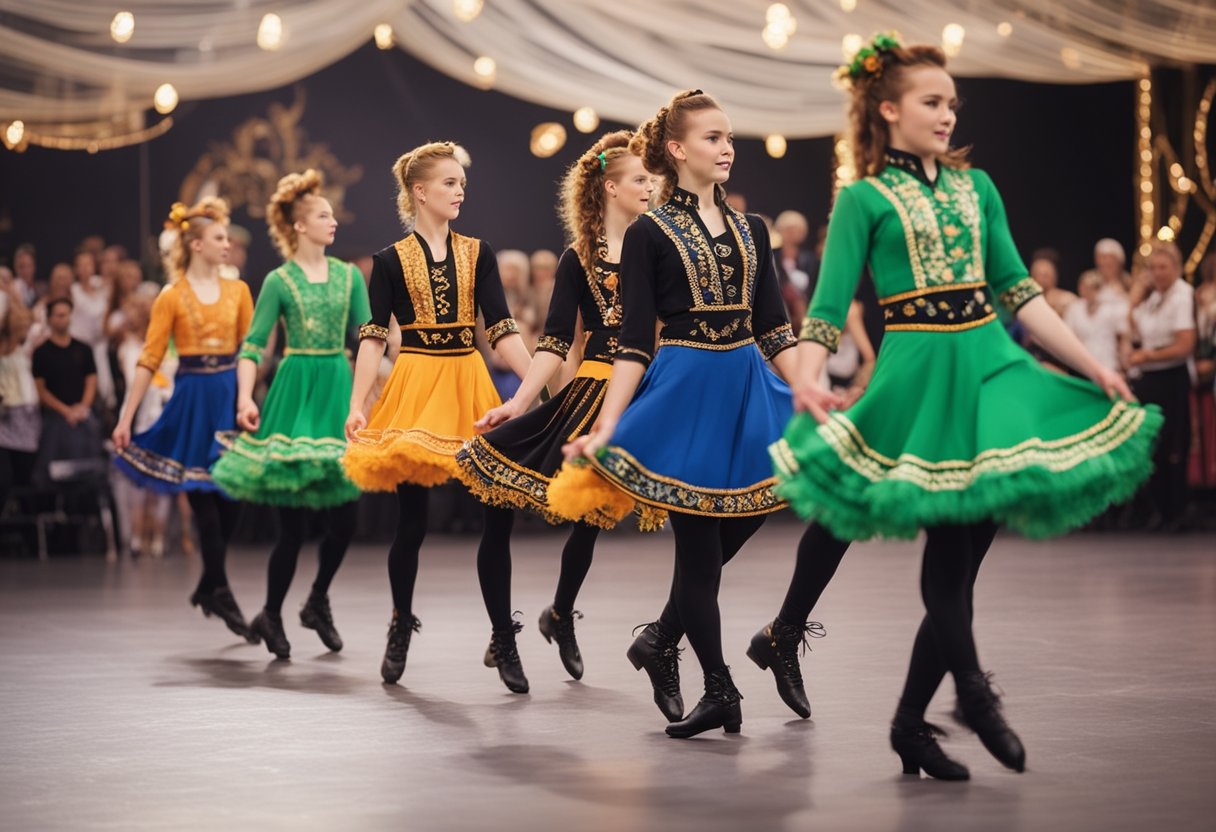
Crime in the Capital: Crime Rate in the National Capital

midtoad.org – The capital city of a nation is often the heart of its political, economic, and cultural life. It is where the government resides, where international embassies are located, and where many of the country’s most significant historical and cultural landmarks can be found. However, capitals are also frequently the epicenters of crime, with higher rates of criminal activity compared to other regions within the same country. This article aims to provide a global comparison of crime rates in national capitals, exploring the factors that contribute to these rates and the impact on the cities’ inhabitants and visitors.

The Global Landscape of Crime in Capitals

Across the world, crime rates in capital cities vary significantly. Some capitals, such as Tokyo, Japan, and Singapore, are known for their low crime rates and high levels of safety. In contrast, others, like Caracas, Venezuela, and San Salvador, El Salvador, are infamous for their high levels of violence and crime.

Factors Influencing Crime Rates

Several factors contribute to the crime rates in capital cities, including:

  • Economic Disparity: A significant gap between the rich and the poor can lead to higher crime rates, as individuals may turn to crime as a means of survival.
  • Population Density: Higher population densities can increase the opportunities for crime, particularly in areas where law enforcement is stretched thin.
  • Governance and Corruption: Effective governance and low levels of corruption can reduce crime rates, while poor governance and high corruption can exacerbate them.
  • Policing and Law Enforcement: The presence and effectiveness of law enforcement agencies play a crucial role in deterring crime.

Case Studies: High and Low Crime Capitals

High Crime Capitals

Cities like Caracas, San Salvador, and Tegucigalpa, Honduras, face significant challenges with crime, including homicide, kidnapping, and theft. These cities are often plagued by gang violence and drug trafficking, which contribute to their high crime rates.

Low Crime Capitals

In contrast, cities like Tokyo and Singapore benefit from effective law enforcement, low corruption, and strong social cohesion. These factors contribute to their low crime rates and high levels of safety.

The Impact of Crime on Capitals

High crime rates can have a devastating impact on a city’s residents, leading to fear, insecurity, and a reduced quality of life. For tourists and businesses, high crime rates can be a deterrent, affecting the city’s economy and international reputation.

Conclusion

Crime in the capital is a complex issue that varies significantly from one country to another. While some capitals enjoy low crime rates and high levels of safety, others struggle with high levels of violence and criminal activity. Understanding the factors that contribute to these rates is essential for developing effective strategies to reduce crime and improve the well-being of citizens and visitors alike. As the world becomes increasingly interconnected, the challenges and successes of capitals around the globe can offer valuable lessons for policymakers and law enforcement agencies worldwide.

Inca Secrets: The Undiscovered Chambers of Machu Picchu

midtoad.org – Nestled high in the Andes Mountains of Peru, Machu Picchu stands as a testament to the architectural prowess and cultural richness of the Inca Empire. This ancient city, often referred to as the “Lost City of the Incas,” was discovered in 1911 by the American historian Hiram Bingham. Since then, it has become a symbol of mystery and wonder, attracting millions of visitors and researchers each year. Despite its popularity, Machu Picchu still harbors secrets, with undiscovered chambers that promise to reveal more about the Inca civilization.

The Discovery of Hidden Chambers

In recent years, advances in technology have allowed archaeologists to peer into the heart of Machu Picchu, uncovering hidden chambers that have remained sealed for centuries. Using ground-penetrating radar and other non-invasive techniques, researchers have identified several previously unknown rooms and structures within the complex. These discoveries have sparked renewed interest in the site, raising questions about the purpose and significance of these secretive spaces.

Theories on the Function of Hidden Chambers

The purpose of these hidden chambers is a subject of much speculation. Some experts believe they could have been used for religious or ceremonial purposes, given the sacred nature of Machu Picchu. Others suggest they may have served as storage areas for valuable items or as refuges for the Inca elite in times of conflict. The possibility that these chambers contain artifacts, mummies, or even written records has fueled the excitement surrounding their discovery.

The Challenge of Excavation

Excavating these chambers presents a unique set of challenges. The delicate nature of Machu Picchu’s structures and the fragile ecosystem of the surrounding area require a cautious approach. Additionally, the Peruvian government has strict regulations to protect the site from over-tourism and unregulated excavations. As a result, any exploration of the hidden chambers must be carefully planned and executed to preserve the integrity of the site.

The Potential for New Discoveries

Despite the challenges, the potential for new discoveries within Machu Picchu’s undiscovered chambers is immense. These spaces could provide valuable insights into Inca culture, architecture, and daily life. They may also offer clues about the city’s abandonment and the decline of the Inca Empire. The exploration of these chambers is not just an archaeological endeavor but a journey into the heart of one of history’s most enigmatic civilizations.

Conclusion

The undiscovered chambers of Machu Picchu represent a tantalizing glimpse into the secrets of the Inca past. As technology and archaeological techniques continue to evolve, we may finally unlock the mysteries hidden within these ancient walls. The exploration of Machu Picchu’s hidden chambers is not just about uncovering the past; it’s about understanding the legacy of a civilization that continues to captivate our imagination. As we stand on the brink of these discoveries, we are reminded of the enduring allure of Machu Picchu and the enduring spirit of the Inca people.

Icons of American Culture: Baseball, Hot Dogs, Apple Pie

midtoad.org – When one reflects on the quintessential symbols of American culture, a trio of iconic elements stands out: baseball, hot dogs, and apple pie. These three pillars are not merely individual entities; they are deeply interwoven into the fabric of American life, each representing a slice of the nation’s identity and heritage.

The National Pastime: Baseball’s Role in American Life

Baseball, affectionately known as the “national pastime,” has roots that stretch back to the mid-19th century. It is a sport that has grown alongside the United States, mirroring its values, challenges, and victories. From the humble sandlots of rural America to the grand stadiums of urban centers, baseball has been a unifying force, drawing together people from diverse backgrounds. The distinct sound of a bat connecting with a ball, the cheers of the spectators, and the sight of a home run sailing over the fence are emblematic of American tradition and nostalgia.

Hot Dogs: The Casual Dining Experience

Hand in hand with baseball is the hot dog, a culinary symbol that is as American as the sport itself. The origins of the hot dog may be contested, with various cities and cultures claiming its invention, but its place in American culture is undeniable. As the unofficial meal of baseball games, the hot dog has become synonymous with casual dining and communal eating. Served with a variety of toppings, it transcends social and economic boundaries, enjoyed by fans in the bleachers and celebrities in luxury boxes alike.

Apple Pie: A Slice of Comfort and Tradition

Completing the triumvirate is apple pie, the epitome of American comfort food. It represents home, family, and tradition. The simple yet delicious combination of apples, sugar, cinnamon, and a flaky crust has become intertwined with American values of simplicity, warmth, and hospitality. Apple pie is a staple at family gatherings, community events, and patriotic celebrations, embodying the spirit of togetherness and the bounty of the land.

The Interconnectedness of Icons

The bond between baseball, hot dogs, and apple pie extends beyond their individual significance. They are linked by their role in American social life and their ability to bring people together. A day at the ballpark, with hot dogs in hand and the aroma of apple pie in the air, is a quintessential American experience. It is a celebration of community, tradition, and the simple joys of life.

Commercialization and Popular Culture

These icons have been further entrenched in the American consciousness through their commercialization and portrayal in media. They have been featured in countless movies, TV shows, and advertisements, each reinforcing their status as symbols of American identity.

The Broader Tapestry of American Culture

While baseball, hot dogs, and apple pie are widely celebrated, it is important to acknowledge that they are just a part of the larger mosaic of American culture. The United States is a diverse nation with a rich array of traditions and customs. These icons, though cherished, do not encapsulate the entirety of the American experience.

Conclusion: A Timeless Trio

In conclusion, baseball, hot dogs, and apple pie are more than just a sport, a food, and a dessert. They are cultural icons that embody the spirit of America. They represent the values of community, tradition, and simplicity, and they continue to be celebrated as symbols of American identity. Whether enjoyed at a ballpark, a backyard barbecue, or a family gathering, these icons remind us of the enduring appeal of the simple pleasures that bind us together as a nation.

Exploring Australia’s Vast Interior: Outback Odyssey

midtoad.org – Embarking on an Outback odyssey is to venture into the heart of Australia, where the landscape stretches into the horizon, and the sky seems endless. This vast interior, known as the Outback, is a place of rugged beauty, ancient stories, and a spirit of adventure that beckons travelers from around the globe. It’s a journey not just through space, but through time, where the red earth tells tales of a land that has remained largely unchanged for millennia.

The Allure of the Outback: The Outback is more than just a destination; it’s an experience that seeps into the soul. It’s a place where the silence is deafening, and the stars at night are a breathtaking spectacle. The allure of the Outback lies in its vast, empty spaces, its unique wildlife, and its rich Indigenous culture. It’s a land of extremes, with scorching hot days and cool nights, where waterholes are lifelines, and the horizon is the only boundary.

Key Destinations: An Outback odyssey typically includes several iconic destinations that capture the essence of this unique region.

  1. Uluru-Kata Tjuta National Park: Home to the sacred monolith of Uluru (Ayers Rock) and the domed rocks of Kata Tjuta (The Olgas), this park is a place of profound spiritual significance for the Anangu people, the traditional owners of the land. Watching the sunrise or sunset here, as the rocks change color, is an unforgettable experience.
  2. The Red Centre: This is the heart of the Outback, where the landscape is painted in shades of red. Alice Springs serves as a gateway to the region, offering access to the West MacDonnell Ranges, Simpson Desert, and the historic Telegraph Station.
  3. The Flinders Ranges: These ancient mountains are a testament to the earth’s history, with deep gorges, towering peaks, and some of the oldest rocks on the planet. The region is also rich in wildlife and offers stunning views from Wilpena Pound.
  4. The Great Victoria Desert: This vast desert wilderness is one of the last true wildernesses on earth, offering a challenging but rewarding experience for the intrepid traveler.
  5. The Gibb River Road: For those seeking an adventure, this iconic 4WD track in Western Australia’s Kimberley region offers access to some of the most remote and beautiful parts of the Outback.

The Outback Experience: Exploring the Outback is an adventure that requires preparation and respect for the environment. Travelers must be self-sufficient, carrying enough water and supplies, and be prepared for the unpredictable weather. The journey can be undertaken by car, camper, or even on foot, with each mode offering a different perspective on the landscape.

The Outback is also a place of encounters with wildlife, from the iconic kangaroo and emu to the more elusive dingo and echidna. It’s a land where the night sky reveals the Southern Cross and the Milky Way in all their glory, far from the light pollution of cities.

Conclusion: An Outback odyssey is a journey that transcends the physical. It’s an exploration of a land that has shaped the Australian identity, a place where the past and present collide, and where the silence speaks volumes. The Outback is a reminder of the power and beauty of nature, and the importance of preserving these wild places for future generations.

For those who dare to venture into Australia’s vast interior, the Outback offers a unique and transformative experience. It’s a place that challenges and rewards in equal measure, leaving an indelible mark on all who visit. Whether you’re drawn by the landscapes, the culture, or the sense of adventure, the Outback promises an odyssey like no other.

A Glimpse into Life within Supermax Prisons: Maximum Security

midtoad.org – Supermax prisons, also known as super-maximum security prisons, are the most secure type of correctional facilities in the world. Designed to house the most dangerous and disruptive inmates, these institutions operate under the strictest security measures to ensure the safety of both the public and prison staff. Life within these walls is unlike any other form of incarceration, characterized by extreme isolation, minimal human contact, and a highly regimented routine. This article provides an insight into the world of supermax prisons, exploring the conditions, controversies, and the impact on the inmates who spend years, sometimes decades, within these confines.

Design and Security

Supermax prisons are architecturally designed to prevent escape and to control every aspect of an inmate’s life. These facilities are often built with solid steel doors, thick concrete walls, and multiple layers of security systems. Inmates are typically housed in individual cells, which are smaller than those in other prisons, equipped with basic amenities such as a bed, toilet, and sink. The cells are often windowless, with artificial lighting to simulate day and night.

Security measures in supermax prisons are unparalleled. Surveillance cameras monitor inmates 24/7, and movement within the facility is strictly controlled. Inmates are often restrained whenever they leave their cells, and interactions with staff and other inmates are limited to prevent any form of violence or communication that could lead to disruptions.

Daily Life

Life in a supermax prison is highly regimented and monotonous. Inmates spend the majority of their time in their cells, with some facilities allowing out-of-cell time for only one hour a day. This time is usually spent in a small, enclosed exercise area where inmates can walk, run, or perform physical exercises. However, even during these periods, inmates are often kept in restraints and under constant surveillance.

Meals are served in the cells, and inmates have limited access to showers and hygiene facilities. Recreational and educational opportunities are scarce, with some inmates reporting years without access to books, television, or any form of entertainment or mental stimulation. Communication with the outside world is also restricted, with limited phone calls, visits, and mail privileges.

Psychological Impact

The extreme isolation and sensory deprivation experienced by inmates in supermax prisons have raised significant concerns about the psychological impact of such conditions. Studies have shown that prolonged solitary confinement can lead to severe mental health issues, including depression, anxiety, paranoia, and psychosis. The lack of human contact and sensory stimulation can exacerbate these conditions, leading to a deterioration in mental health over time.

Critics argue that supermax prisons are a form of cruel and unusual punishment, violating human rights and failing to rehabilitate inmates. Advocates, on the other hand, maintain that these facilities are necessary to protect society from the most dangerous criminals and to maintain order within the prison system.

Controversy and Reform

The use of supermax prisons has been a subject of intense debate. While some argue that they are essential for public safety, others contend that they perpetuate a cycle of violence and dehumanization. There have been calls for reform, including reducing the use of solitary confinement, improving mental health care for inmates, and implementing rehabilitation programs to prepare inmates for reintegration into society.

Several countries and states have begun to reevaluate their use of supermax prisons, with some closing down these facilities or significantly reducing the number of inmates housed in them. These changes reflect a growing recognition of the need for a more humane and effective approach to incarceration.

Conclusion

Life in supermax prisons is a stark reality for a small but significant number of inmates. The conditions within these facilities raise profound questions about the balance between security and humanity, punishment and rehabilitation. As the debate over the use of supermax prisons continues, it is clear that finding the right path forward will require a careful consideration of the complex issues at stake, including public safety, human rights, and the possibility of redemption for even the most hardened offenders.

Volkswagen: The People’s Car and Beyond

midtoad.org – The Volkswagen, affectionately known as the “Beetle” or “Bug,” has a storied history that stretches back to the 1930s. Originally conceived as a car for the masses, the Volkswagen, meaning “people’s car” in German, has evolved from a symbol of affordable mobility to a global automotive giant. This article explores the journey of Volkswagen from its humble beginnings to its status as a leading player in the automotive industry, pushing the boundaries of innovation and sustainability.

The Birth of the People’s Car:
The idea of the Volkswagen was born out of a vision by the German government in the 1930s to provide a reliable and affordable car for the average citizen. Ferdinand Porsche was tasked with designing a simple, robust vehicle that could be mass-produced. The result was the Volkswagen Type 1, or Beetle, which boasted an air-cooled engine, rear-wheel drive, and a distinctive rounded shape that would become iconic.

Post-War Resurgence:
After World War II, the British military government took control of the Volkswagen factory, which had been heavily damaged. Under British supervision, production of the Beetle resumed, and the car quickly gained popularity for its durability, simplicity, and affordability. The Beetle became a symbol of post-war optimism and economic recovery, not just in Germany but around the world.

Global Expansion and Innovation:
Volkswagen’s success with the Beetle laid the foundation for the company’s global expansion. In the 1960s and 1970s, Volkswagen introduced new models like the Type 2 (Transporter, or “Bus”), the Karmann Ghia, and the Golf, which would eventually replace the Beetle as the company’s flagship model. Volkswagen continued to innovate, introducing front-wheel drive, water-cooled engines, and advanced safety features.

The Environmental Turn:
As the 21st century dawned, Volkswagen embraced the challenge of environmental sustainability. The company invested heavily in clean diesel technology and hybrid vehicles, aiming to reduce emissions and improve fuel efficiency. Volkswagen’s commitment to sustainability was further demonstrated by its development of electric vehicles, such as the Volkswagen ID.3, as part of its ambitious plan to become a leader in the global market for electric cars.

Scandal and Recovery:
In 2015, Volkswagen faced a significant setback when it was revealed that the company had cheated on emissions tests. The “Dieselgate” scandal tarnished Volkswagen’s reputation and led to hefty fines and legal battles. However, Volkswagen responded by accelerating its shift towards electric and hybrid vehicles, demonstrating a commitment to making amends and leading the charge in clean mobility.

Conclusion:
Volkswagen’s journey from the “people’s car” to a global automotive powerhouse is a testament to the company’s resilience, innovation, and adaptability. Through its history, Volkswagen has faced challenges, but it has consistently emerged stronger, embracing new technologies and driving the industry forward. As the automotive world continues to evolve, Volkswagen stands at the forefront, ready to shape the future of mobility with a focus on sustainability and innovation. The legacy of the “people’s car” endures, not just as a symbol of affordable transportation, but as a beacon of progress and change in the automotive industry.

Driving the Industrial Revolution: Factory Innovations

midtoad.org – The Industrial Revolution, a period of rapid industrial growth and technological innovation that began in the late 18th century, fundamentally transformed societies, economies, and cultures around the world. At the heart of this transformation were factories, which became the epicenters of production and innovation. The evolution of factory technology and practices not only increased efficiency and output but also laid the groundwork for modern industrial practices. This article explores the key factory innovations that drove the Industrial Revolution and their lasting impact on the world.

The Birth of the Factory System:
Before the Industrial Revolution, goods were primarily produced in homes, small workshops, or rural areas. The invention of new machinery and the need for centralized production led to the rise of the factory system. Factories brought together labor, machinery, and raw materials under one roof, allowing for mass production and economies of scale. This shift from cottage industries to factory production marked the beginning of a new era in manufacturing.

The Power Loom and Textile Revolution:
One of the most significant innovations of the early Industrial Revolution was the power loom, invented by Edmund Cartwright in 1785. This machine mechanized the weaving process, significantly increasing the speed and efficiency of textile production. The power loom, combined with other inventions like the spinning jenny and the cotton gin, revolutionized the textile industry, making it one of the first to be fully industrialized.

Steam Power and the Engine of Change:
The development of the steam engine by James Watt in the late 18th century was a pivotal moment in the Industrial Revolution. Steam power provided a reliable and powerful source of energy that could be used to drive machinery in factories, replacing human and animal labor. The adoption of steam power allowed factories to be located away from natural sources of power like rivers and streams, leading to the growth of industrial cities.

The Assembly Line and Mass Production:
While the Industrial Revolution began in the late 18th century, its innovations continued to evolve. In the early 20th century, Henry Ford introduced the assembly line to his automobile factory, revolutionizing the concept of mass production. By breaking down the manufacturing process into simple, repetitive tasks, Ford was able to increase production speed and reduce costs, making cars affordable to the average consumer for the first time.

Electrification and the Second Industrial Revolution:
The widespread adoption of electricity in the late 19th and early 20th centuries marked the beginning of the Second Industrial Revolution. Electric power enabled the creation of new machinery and tools, further increasing factory efficiency and output. Electrification also led to the development of new industries, such as electrical equipment manufacturing and consumer electronics.

Conclusion:
Factory innovations during the Industrial Revolution were the catalysts for unprecedented economic growth and social change. From the mechanization of textile production to the advent of steam power and the assembly line, these technological advancements reshaped the landscape of manufacturing and set the stage for the modern industrial world. Today, as we stand on the brink of the Fourth Industrial Revolution, characterized by digitalization, automation, and artificial intelligence, it is clear that the spirit of innovation that drove the factories of the past continues to propel us forward into the future. The legacy of the Industrial Revolution’s factory innovations is not just in the physical structures that still stand, but in the ongoing pursuit of efficiency, productivity, and progress that defines the industrial sector today.

The World’s Most Famous Royal Palaces: Majestic Residences

midtoad.org – Royal palaces are not just homes for the world’s monarchs; they are architectural masterpieces, historical landmarks, and symbols of national pride. These majestic residences often span centuries, each room telling a story of the past and the grandeur of royal life. From the sprawling gardens to the opulent interiors, these palaces are a testament to the wealth and power of the royal families who once lived within their walls. Here, we take a journey through some of the world’s most famous royal palaces, exploring their history, architecture, and the legacy they leave behind.

Buckingham Palace, United Kingdom

Buckingham Palace, the London residence of the British monarch, is one of the most iconic royal palaces in the world. Originally known as Buckingham House, it was acquired by King George III in 1761 as a private residence for Queen Charlotte and became the official royal palace during the reign of Queen Victoria in 1837. The palace is famous for its lavish State Rooms, which are open to the public during the summer months, and the Changing of the Guard ceremony, which attracts visitors from around the globe.

The Palace of Versailles, France

The Palace of Versailles, located just outside Paris, was the principal royal residence of France from 1682, under Louis XIV, until the start of the French Revolution in 1789. It is renowned for its grandeur, with over 700 rooms, including the Hall of Mirrors and the King’s and Queen’s State Apartments. The palace’s gardens, designed by André Le Nôtre, are equally impressive, featuring fountains, sculptures, and meticulously manicured lawns. Today, Versailles is a UNESCO World Heritage site and one of the most visited museums in the world.

The Forbidden City, China

The Forbidden City, located in the heart of Beijing, was the imperial palace for 24 emperors during the Ming and Qing dynasties, from 1420 to 1912. It is the largest palace complex in the world, with over 9,000 rooms. The Forbidden City is a masterpiece of Chinese palatial architecture, with its intricate woodwork, golden roofs, and symmetrical layout reflecting the philosophy of harmony and balance. Today, it is a museum that showcases the art and artifacts of the imperial era.

The Alhambra, Spain

The Alhambra is a stunning palace and fortress complex in Granada, Spain, that dates back to the Nasrid dynasty of the Sultanate of Granada. It is renowned for its sophisticated architecture and beautiful gardens, which blend elements of Islamic and European design. The palace’s interior is adorned with intricate geometric patterns, calligraphy, and muqarnas ceilings. The Alhambra stands as a testament to the Moorish influence in Spain and is a UNESCO World Heritage site.

The Grand Palace, Thailand

The Grand Palace in Bangkok was the official residence of the Kings of Siam, and later Thailand, from 1782 until 1925. It is a complex of buildings that includes the Temple of the Emerald Buddha, one of Thailand’s most important Buddhist sites. The palace is a dazzling display of traditional Thai architecture, with its ornate spires, gilded statues, and colorful murals. It remains a symbol of the Thai monarchy and is a major tourist attraction.

The Winter Palace, Russia

The Winter Palace in St. Petersburg, Russia, was the official residence of the Russian Emperors from 1732 until the fall of the Russian Empire in 1917. It is now home to the State Hermitage Museum, one of the largest and oldest museums in the world. The palace is a magnificent example of Baroque architecture, with over 1,000 rooms and an exterior that stretches along the banks of the Neva River.

These royal palaces are more than just buildings; they are living museums that offer a glimpse into the lives of the world’s royalty. They stand as enduring symbols of the power, wealth, and cultural heritage of the nations they represent. Whether through their architecture, art collections, or historical significance, these majestic residences continue to captivate and inspire visitors from all corners of the globe.

Doctors and Nurses in Modern Medicine: The Gentle Healers

midtoad.org – In the ever-evolving landscape of modern medicine, the roles of doctors and nurses have become increasingly complex and multifaceted. Yet, at the heart of their profession lies a simple, unwavering commitment: to heal, to comfort, and to care. These gentle healers are the backbone of healthcare systems worldwide, embodying the compassionate, empathetic, and knowledgeable face of medicine. This article delves into the intricate dance between doctors and nurses, exploring their roles, challenges, and the profound impact they have on the lives of their patients.

Doctors, with their extensive medical training and expertise, are often seen as the architects of healthcare. They diagnose illnesses, prescribe treatments, and perform surgeries, wielding the power of modern medicine to combat disease and injury. Yet, their role extends far beyond the clinical. Doctors are also communicators, educators, and often, bearers of life-altering news. They must navigate the delicate balance of delivering hope while being honest, of being authoritative while remaining approachable.

Nurses, on the other hand, are the constant companions of patients, providing care that is both physical and emotional. They administer medications, monitor patients’ conditions, and offer a listening ear and a comforting touch. Nurses are the glue that holds the healthcare system together, ensuring that the care prescribed by doctors is delivered with precision and compassion. Their work is physically demanding and emotionally taxing, yet it is driven by a profound sense of duty and empathy.

The relationship between doctors and nurses is a symbiotic one, characterized by mutual respect and collaboration. Effective communication and teamwork are essential, as they work together to develop and implement treatment plans that are both medically sound and patient-centered. This partnership is not just about the division of labor; it’s about leveraging each other’s strengths to provide the best possible care.

Despite the noble nature of their work, doctors and nurses face numerous challenges in modern medicine. The rise of chronic diseases, an aging population, and advances in medical technology have increased the complexity of patient care. At the same time, healthcare systems are grappling with issues such as rising costs, staffing shortages, and the mental health of healthcare professionals. The COVID-19 pandemic has further highlighted these challenges, pushing healthcare workers to the brink and underscoring the need for systemic change.

Yet, amidst these challenges, the resilience and dedication of doctors and nurses shine through. They continue to adapt, innovate, and care, driven by a profound commitment to their patients. Their work is a testament to the human spirit’s capacity for compassion and resilience in the face of adversity.

In conclusion, doctors and nurses are more than just practitioners of medicine; they are healers in the truest sense of the word. Their work is a delicate blend of science and humanity, of technical skill and tender care. As we navigate the complexities of modern medicine, let us not forget the gentle healers who stand at the forefront, guiding us through illness and injury with a steady hand and a compassionate heart. Their contributions are invaluable, their sacrifices immense, and their impact on our lives, immeasurable.

Navigating the Workplace with Zodiac Signs: Career and Ambition

midtoad.org – In the ever-evolving landscape of the modern workplace, understanding the nuances of personality and ambition can be key to success. Astrology, particularly the study of zodiac signs, offers a unique lens through which to view individual career paths and professional ambitions. While it’s important to remember that astrology is not a science and that individuals are more than their sun signs, exploring the traits commonly associated with each zodiac sign can provide interesting insights into workplace dynamics and career inclinations.

Aries (March 21 – April 19)

Aries, the first sign of the zodiac, is known for its fiery passion and leadership qualities. In the workplace, Aries individuals are often the initiators, the ones who jump at new challenges and aren’t afraid to take the lead. Their ambition is fueled by a desire to be at the forefront, making them excellent entrepreneurs or project managers. However, their impatience can sometimes lead to rash decisions, so learning to pace themselves is key to their career success.

Taurus (April 20 – May 20)

Taureans are known for their reliability, practicality, and determination. They excel in careers that require persistence and a steady hand, such as finance, real estate, or culinary arts. Taurus individuals are ambitious in a quiet, consistent way, preferring to build their success over time rather than seeking immediate gratification. Their career path is often marked by stability and a strong work ethic.

Gemini (May 21 – June 20)

Geminis are versatile, communicative, and adaptable, thriving in careers that allow them to express their multifaceted personalities. Journalism, public relations, and sales are ideal fields for Gemini, as they enjoy the variety and the opportunity to engage with different people. Their ambition is fueled by curiosity and a desire to stay mentally stimulated, but they must learn to focus their energies to truly excel.

Cancer (June 21 – July 22)

Cancers are known for their emotional depth, nurturing nature, and intuition. They excel in careers that allow them to care for others or create a sense of community, such as in healthcare, counseling, or hospitality. Their ambition is often driven by a desire to make a difference in people’s lives, and they are at their best when they can work in a supportive, empathetic environment.

Leo (July 23 – August 22)

Leos are born leaders, with a flair for the dramatic and a strong desire to be recognized for their talents. They thrive in careers that put them in the spotlight, such as acting, directing, or any form of performance art. Their ambition is fueled by a need for admiration and respect, and they are not afraid to go after their dreams with confidence and charisma.

Virgo (August 23 – September 22)

Virgos are detail-oriented, analytical, and hardworking, making them excellent in careers that require precision and organization. They excel in fields such as research, data analysis, and healthcare. Their ambition is driven by a desire to be of service and to perfect their craft, often leading to a reputation for excellence in their chosen field.

Libra (September 23 – October 22)

Libras are known for their diplomatic skills, aesthetic sense, and desire for harmony. They thrive in careers that allow them to balance different perspectives, such as law, diplomacy, or design. Their ambition is fueled by a desire to create balance and beauty in the world, and they are often at their best when collaborating with others.

Scorpio (October 23 – November 21)

Scorpios are intense, resourceful, and deeply ambitious. They excel in careers that allow them to delve into the mysteries of life, such as psychology, investigative journalism, or entrepreneurship. Their ambition is driven by a need to transform and to uncover the truth, often leading them to achieve great depth in their work.

Sagittarius (November 22 – December 21)

Sagittarians are adventurous, optimistic, and love to explore new ideas and cultures. They thrive in careers that offer variety and the chance to expand their horizons, such as travel, education, or publishing. Their ambition is fueled by a desire for knowledge and freedom, and they are happiest when their work allows them to grow and learn.

Capricorn (December 22 – January 19)

Capricorns are known for their discipline, ambition, and practicality. They excel in careers that require a strong work ethic and strategic thinking, such as business, politics, or architecture. Their ambition is driven by a desire for achievement and recognition, and they are willing to put in the hard work necessary to reach the top.

Aquarius (January 20 – February 18)

Aquarians are innovative, humanitarian, and independent thinkers. They thrive in careers that allow them to make a difference and challenge the status quo, such as technology, social activism, or the arts. Their ambition is fueled by a desire to create a better world, and they are often ahead of their time in their ideas and approaches.

Pisces (February 19 – March 20)

Pisces are intuitive, compassionate, and creative, excelling in careers that allow them to express their empathy and artistic talents, such as counseling, music, or writing. Their ambition is driven by a desire to connect with others on a deep level and to use their creativity to heal and inspire.

While these descriptions offer a glimpse into the career inclinations and ambitions of each zodiac sign, it’s important to remember that individual experiences and choices play a significant role in shaping one’s career path. The workplace is a complex environment influenced by a myriad of factors, including education, personal interests, and the ever-changing job market. Zodiac signs can provide a fun and thought-provoking framework for understanding ourselves and our colleagues, but they are just one piece of the puzzle in the journey towards career fulfillment and success.

Keys to a Healthy Lifestyle: Health Unlocked

midtoad.org – In today’s fast-paced world, maintaining a healthy lifestyle has become more challenging than ever. With the constant bombardment of information, it’s easy to get overwhelmed and lose sight of what truly contributes to our well-being. However, by focusing on key principles, we can unlock the door to a healthier, more fulfilling life. This article will explore the essential keys to a healthy lifestyle that can help you thrive in all aspects of your life.

  1. Balanced Nutrition
    The foundation of a healthy lifestyle is a balanced diet. This means consuming a variety of foods that provide essential nutrients, including vitamins, minerals, proteins, carbohydrates, and fats. Emphasize whole foods such as fruits, vegetables, whole grains, lean proteins, and healthy fats. Limit processed foods, sugary snacks, and high-calorie beverages. Remember, moderation is key. It’s not about strict deprivation but rather making mindful choices that nourish your body.
  2. Regular Physical Activity
    Physical activity is crucial for maintaining a healthy weight, improving cardiovascular health, and boosting mental well-being. Aim for at least 150 minutes of moderate-intensity aerobic activity or 75 minutes of vigorous-intensity activity each week, along with muscle-strengthening exercises on two or more days a week. Find activities you enjoy, whether it’s walking, cycling, dancing, or playing a sport, to make exercise a sustainable part of your routine.
  3. Adequate Sleep
    Sleep is often overlooked but is vital for physical and mental health. Adults should aim for 7-9 hours of quality sleep per night. Establish a regular sleep schedule, create a restful environment, and limit exposure to screens before bedtime to improve sleep quality. Good sleep hygiene can enhance cognitive function, mood, and overall health.
  4. Stress Management
    Chronic stress can lead to a host of health problems, including heart disease, obesity, and depression. Incorporate stress-reduction techniques into your daily life, such as meditation, deep breathing exercises, yoga, or spending time in nature. Prioritize activities that bring you joy and relaxation, and don’t hesitate to seek professional help if stress becomes overwhelming.
  5. Hydration
    Water is essential for every cell and function in your body. Proper hydration helps maintain the balance of body fluids, aids in digestion, and transports nutrients and oxygen to your cells. Aim to drink at least eight glasses of water a day, and more if you’re active or live in a hot climate. Listen to your body’s signals and drink when you feel thirsty.
  6. Social Connections
    Humans are social creatures, and strong relationships are key to a healthy lifestyle. Cultivate meaningful connections with family, friends, and community. Engage in social activities, join clubs or groups that align with your interests, and be open to meeting new people. Social support can provide emotional comfort, reduce stress, and increase longevity.
  7. Continuous Learning
    Keeping your mind active is as important as keeping your body active. Engage in lifelong learning by reading, taking up new hobbies, or learning new skills. Mental stimulation can improve memory, reduce the risk of cognitive decline, and enhance your quality of life.
  8. Preventive Healthcare
    Regular check-ups and screenings are crucial for preventing diseases and catching potential health issues early. Follow your healthcare provider’s recommendations for screenings based on your age, sex, and risk factors. Vaccinations, such as the flu shot and COVID-19 vaccines, are also important for preventing illness.
  9. Mindfulness and Gratitude
    Practicing mindfulness and gratitude can improve your mental health and overall well-being. Take time each day to be present and appreciate the good in your life. Whether it’s through meditation, journaling, or simply pausing to reflect, mindfulness can reduce anxiety and increase happiness.
  10. Environmental Awareness
    Your environment plays a significant role in your health. Make choices that reduce exposure to pollutants, such as smoking, secondhand smoke, and air pollution. Opt for eco-friendly products and support sustainable practices to protect both your health and the planet.

In conclusion, unlocking a healthy lifestyle is about making conscious choices that support your physical, mental, and emotional well-being. By focusing on balanced nutrition, regular physical activity, adequate sleep, stress management, hydration, social connections, continuous learning, preventive healthcare, mindfulness, and environmental awareness, you can pave the way to a healthier, happier life. Remember, small changes can lead to significant improvements over time. Start today, and unlock the door to a healthier you.

Cameramen’s Role in Music Videos: Frame Around the Sound

midtoad.org – In the dynamic world of music videos, where artistry and technology converge, the role of the cameraman is pivotal yet often underappreciated. These skilled professionals are the ones who bring the director’s vision to life, capturing the essence of the music and the performance in a way that resonates with the audience. They are the frame around the sound, the visual interpreters of the auditory experience. This article delves into the critical role of cameramen in music videos, exploring their craft, challenges, and the impact of their work on the final product.

The Art of Visual Storytelling

Music videos are a unique form of visual storytelling, where the narrative is often abstract and intertwined with the music itself. Cameramen in this field must not only have a deep understanding of cinematography but also a keen ear for music. They must be able to translate the mood, rhythm, and emotion of the song into visuals that complement and enhance the listening experience. This involves a blend of technical skill, creativity, and an intuitive sense of how music and visuals can work together to create a compelling story.

Techniques and Tools of the Trade

Cameramen in music videos employ a variety of techniques and tools to achieve their desired effects. From handheld cameras to drones, from time-lapse photography to high-speed cameras, the options are vast. The choice of equipment and technique depends on the director’s vision and the song’s requirements. For instance, a fast-paced pop song might call for dynamic shots and quick cuts, while a ballad might require more static, intimate shots that focus on the artist’s performance.

Lighting is another critical aspect of a cameraman’s work. It can set the mood, highlight the subject, and create a visual rhythm that matches the music. Cameramen must be adept at using natural light as well as artificial lighting to achieve the desired effect, often working in challenging conditions to get the perfect shot.

Challenges and Creativity

The role of a cameraman in music videos is fraught with challenges. They often work under tight deadlines and in unpredictable environments. They must be able to adapt quickly to changes in the shoot plan, technical difficulties, or the artist’s improvisations. Despite these challenges, it is the cameraman’s creativity and problem-solving skills that can turn obstacles into opportunities for unique and memorable shots.

Moreover, the relationship between the cameraman and the director is crucial. It requires a deep level of trust and communication. The cameraman must understand the director’s vision and be able to contribute their own ideas and expertise to enhance the final product. This collaborative process is what often leads to the most innovative and visually striking music videos.

The Impact of the Cameraman’s Work

The impact of a cameraman’s work on a music video cannot be overstated. Their choices in framing, movement, lighting, and editing can make or break the viewer’s engagement with the music. A well-executed visual narrative can elevate a song from a mere audio track to a multi-sensory experience that resonates with audiences on a deeper level. It can also contribute significantly to the artist’s brand and the song’s success, as memorable music videos often become cultural touchstones and viral sensations.

Conclusion

In the world of music videos, the role of the cameraman is as crucial as it is creative. These professionals are the unsung heroes who bring the director’s vision to life, frame by frame, shot by shot. Their work is a testament to the power of visual storytelling and the synergy between music and imagery. As we watch and enjoy music videos, it’s important to appreciate the artistry and dedication of the cameramen who help create these visual masterpieces. They are indeed the frame around the sound, making the invisible visible and the abstract tangible.

Women’s Sports Car Stories: The Fairer Sex and Faster Cars

midtoad.org – In the roaring world of sports cars, where the scent of gasoline and the sound of revving engines fill the air, the presence of women has been both significant and inspiring. Historically a male-dominated arena, the sports car scene has seen remarkable women who have not only embraced the thrill of the race but have also left indelible marks on the sport. This article delves into the stories of some of these trailblazing women, showcasing their passion, resilience, and contributions to the world of sports cars.

The Pioneers

The story of women in sports cars begins with the early pioneers who dared to challenge the norms of their time. One such pioneer was Dorothy Levitt, known as the “fastest girl on earth” in the early 20th century. Levitt was not only a racer but also an author and a stunt driver, breaking records and proving that women could be just as daring and skilled behind the wheel as men.

Another notable figure is Bertha Benz, the wife of Karl Benz, the inventor of the automobile. In 1888, Bertha took the bold step to drive her husband’s Motorwagen without his knowledge, embarking on the world’s first long-distance road trip. This journey not only showcased the potential of the automobile but also highlighted the role of women in the automotive industry from its inception.

The Trailblazers

As the decades progressed, more women began to make their mark in sports car racing. Louise Smith, known as “Weezy,” was the first woman to compete in the Indianapolis 500, doing so in 1949. Despite facing skepticism and sexism, Smith’s determination and skill on the track earned her the respect of her male counterparts and paved the way for future generations.

In the 1960s, Denise McCluggage became a household name in the sports car world. McCluggage was a versatile racer, excelling in rallies, endurance races, and even sports car racing. Her achievements included victories at the 12 Hours of Sebring and the 6 Hours of Watkins Glen, solidifying her status as one of the most successful female racers of her time.

Modern Marvels

The legacy of these pioneering women continues to inspire the next generation of female racers. In recent years, names like Susie Wolff, Simona de Silvestro, and Michelle Mouton have been synonymous with excellence in sports car racing. These women have not only competed at the highest levels but have also advocated for greater participation of women in motorsports, breaking down barriers and challenging stereotypes.

Susie Wolff, a former Formula E and DTM racer, has been particularly vocal about the need to create more opportunities for women in motorsports. Through initiatives like the Dare to Be Different campaign, Wolff aims to inspire young girls to pursue careers in motorsports, whether as drivers or in other roles.

The Future is Inclusive

The stories of these remarkable women highlight the progress that has been made in the world of sports cars. However, there is still much work to be done to ensure that the sport is truly inclusive and that women have equal opportunities to compete, excel, and inspire. As the automotive and racing industries continue to evolve, the legacy of these trailblazing women serves as a reminder of the importance of diversity and the contributions that women can make when given the chance to compete on an equal footing.

In conclusion, the history of women in sports cars is a testament to the power of determination, skill, and passion. From the early pioneers to the modern marvels, these women have not only raced but have also broken barriers, challenged stereotypes, and paved the way for future generations. As the sport continues to evolve, the stories of these remarkable women remind us that the fairer sex can indeed drive faster cars and that the future of sports car racing is inclusive and diverse.

Unveiling Celebrity Net Worth: Stellar Fortunes

midtoad.org – In the glittering world of fame, where celebrities often become household names, the curiosity surrounding their personal lives extends to their financial success. Stellar fortunes are amassed through various ventures, from blockbuster movies and chart-topping albums to savvy business investments and lucrative endorsements. This article delves into the realm of celebrity net worth, exploring the figures that define the financial zenith of the stars we admire.

The Pinnacle of Celebrity Earnings

Celebrity net worth is a testament to the financial fruits of their labor, talent, and sometimes, sheer luck. The highest earners in the celebrity sphere often boast net worths that can exceed hundreds of millions, if not billions, of dollars. These figures are not just reflections of their entertainment prowess but also of their business acumen and brand value.

Diverse Streams of Income

The path to a stellar fortune is paved with diverse streams of income. Actors, musicians, athletes, and social media influencers all have unique ways of accumulating wealth. For actors, it’s not just about the paycheck from their latest blockbuster but also about endorsements, producing, and directing projects. Musicians earn from album sales, streaming, tours, and merchandise. Athletes benefit from their sports contracts, endorsements, and investments. Social media influencers leverage their online presence for brand partnerships and sponsored content.

The Power of Brand Endorsements

Brand endorsements are a significant contributor to celebrity net worth. The ability to influence consumer behavior makes celebrities highly sought after by brands. From sportswear to luxury cars, celebrities endorse a wide range of products, earning substantial sums in the process. These partnerships can sometimes be worth more than their earnings from their primary profession.

Savvy Investments and Business Ventures

Many celebrities don’t just stop at earning money; they make their money work for them. Investments in real estate, stocks, and startups are common among the wealthy elite. Some even venture into entrepreneurship, launching their own businesses in fashion, technology, and more. These ventures not only add to their net worth but also diversify their income streams, ensuring financial stability and growth.

Philanthropy and Giving Back

With great wealth comes great responsibility. Many celebrities use their fortunes to give back to society through philanthropy. They support causes close to their hearts, from environmental conservation to education and healthcare. Their contributions not only make a significant impact but also inspire their fans to do the same.

Conclusion

The journey to a stellar fortune is multifaceted, requiring talent, hard work, and smart financial decisions. Celebrity net worth is more than just a number; it’s a reflection of their success in the entertainment industry and beyond. As fans, we admire their talent and achievements, but we also marvel at the financial empires they have built. Whether through their art, endorsements, or investments, celebrities continue to set the bar high for financial success, inspiring others to dream big and work hard.

The Quest for Love: A Look at Popular Dating Shows

midtoad.org – In the age of digital romance and swiping right, the quest for love has taken on a new form. With the rise of reality television, dating shows have become a cultural phenomenon, captivating audiences around the globe. These shows offer a unique blend of drama, romance, and the universal desire to find a meaningful connection. From the early days of “The Bachelor” to the more recent hits like “Love Is Blind,” dating shows have evolved, reflecting changing societal norms and the complexities of modern relationships.

The Evolution of Dating Shows

Dating shows have come a long way since the early 2000s. The genre began with a focus on traditional courtship, where one person would choose from a pool of potential suitors based on their interactions and compatibility. Shows like “The Bachelor” and “The Bachelorette” set the stage for this format, introducing the world to the drama and excitement of rose ceremonies and fantasy suites.

As the genre matured, so did the concepts. Shows like “Married at First Sight” took a radical approach, pairing strangers and marrying them on the spot, then documenting their journey to see if love could blossom after marriage. This was a departure from the traditional dating show format, emphasizing commitment and the potential for love to grow over time.

The Rise of Experimental Formats

In recent years, dating shows have become increasingly experimental, pushing the boundaries of what it means to search for love on television. “Love Is Blind” is a prime example, where participants date in “pods” without ever seeing each other, committing to marriage before they even meet in person. This show explores the idea that true love is blind, challenging the importance of physical attraction in the early stages of a relationship.

“Too Hot to Handle” takes a different approach, focusing on the challenges of building emotional connections without physical intimacy. The contestants are fined every time they engage in physical acts, encouraging them to form deeper, more meaningful relationships.

The Appeal of Dating Shows

The appeal of dating shows lies in their relatability and the voyeuristic pleasure of watching others navigate the complexities of love and relationships. Viewers can project their own experiences and desires onto the participants, rooting for their favorite couples and critiquing the behaviors they see on screen.

Moreover, these shows offer a form of escapism, allowing viewers to immerse themselves in a world where love is the ultimate prize. In a time when dating can feel overwhelming and impersonal, especially in the digital age, these shows provide a narrative of hope and the possibility of finding a genuine connection.

The Impact on Society

Dating shows have not only entertained but also influenced societal norms and expectations around love and relationships. They have sparked conversations about consent, communication, and the importance of emotional connection. By showcasing diverse casts and relationships, they have also contributed to a broader understanding and acceptance of different types of love and partnership.

Conclusion

The quest for love is a timeless human endeavor, and dating shows have become a modern arena for this pursuit. From traditional formats to experimental twists, these shows continue to captivate audiences with their blend of drama, romance, and the universal desire to find a meaningful connection. As society evolves, so too will the dating show, reflecting the changing landscape of love and relationships in the digital age. Whether seeking entertainment, inspiration, or a glimpse into the lives of others, viewers will undoubtedly continue to tune in, hoping to catch a glimpse of love in its many forms.

World Cup: The Greatest Moments in the Tournament’s History

midtoad.org – The FIFA World Cup, the world’s most prestigious football tournament, has been the stage for some of the most iconic moments in sports history. Since its inception in 1930, the tournament has captivated billions of fans around the globe, creating unforgettable memories that have become part of football folklore. Here are some of the greatest moments in the history of the World Cup:

  1. The First World Cup (1930): The inaugural World Cup, held in Uruguay, was a landmark event that brought together the best football teams from around the world. Uruguay won the tournament, defeating Argentina 4-2 in the final, in front of a capacity crowd at the Estadio Centenario.

  2. Brazil’s First World Cup Victory (1958): The 1958 World Cup in Sweden saw the emergence of a young Pelé, who led Brazil to their first World Cup victory. His performance in the tournament, especially in the final against Sweden, announced the arrival of one of football’s greatest players.
  3. The “Game of the Century” (1970): The 1970 World Cup in Mexico featured one of the most memorable matches in football history, the semi-final between Italy and Germany. Known as the “Game of the Century,” it ended with Italy winning 4-3 in a thrilling encounter. Brazil went on to win the tournament, defeating Italy 4-1 in the final, in a match that showcased the beautiful game at its best.
  4. Maradona’s “Hand of God” and “Goal of the Century” (1986): Diego Maradona’s controversial “Hand of God” goal and his “Goal of the Century” against England in the 1986 World Cup are two of the most talked-about moments in football history. Maradona led Argentina to victory in the tournament, cementing his status as a legend of the game.
  5. The “Tournament of Tears” (1990): The 1990 World Cup in Italy was marked by its defensive play and the emotional reactions of players and fans. The final between West Germany and Argentina, won by Germany 1-0, was a tense affair that ended with tears from the defeated Argentine players.
  6. The “Maracanazo” (1950): One of the most shocking upsets in sports history occurred at the 1950 World Cup in Brazil. In the final match, held at the Maracanã Stadium in Rio de Janeiro, Brazil was expected to defeat Uruguay easily. However, Uruguay won 2-1, causing a national tragedy in Brazil that is still remembered today.
  7. Zidane’s Headbutt (2006): In the 2006 World Cup final, France’s Zinedine Zidane, one of the greatest players of his generation, was sent off for headbutting Italy’s Marco Materazzi. Italy won the match on penalties, but Zidane’s moment of madness overshadowed the tournament.
  8. The “Miracle of Bern” (1954): The 1954 World Cup final in Switzerland saw heavily favored Hungary take on West Germany. Hungary had not lost a match in four years, but Germany produced one of the greatest upsets in football history, winning 3-2 in a match that became known as the “Miracle of Bern.”
  9. The “Battle of Santiago” (1962): The 1962 World Cup in Chile featured one of the most violent matches in the tournament’s history, the “Battle of Santiago” between Chile and Italy. The match was marred by numerous fouls and fights, leading to the sending off of two players from each team.
  10. Ronaldo’s Redemption (2002): After suffering from seizures and a mysterious illness before the 1998 World Cup final, Brazil’s Ronaldo returned to the World Cup stage in 2002 in Japan and South Korea. He scored both goals in the final against Germany, leading Brazil to their fifth World Cup title and earning him the Golden Ball as the tournament’s best player.

These moments, among many others, have contributed to the rich tapestry of World Cup history, making it not just a tournament of football, but a festival of emotions, drama, and unforgettable memories.