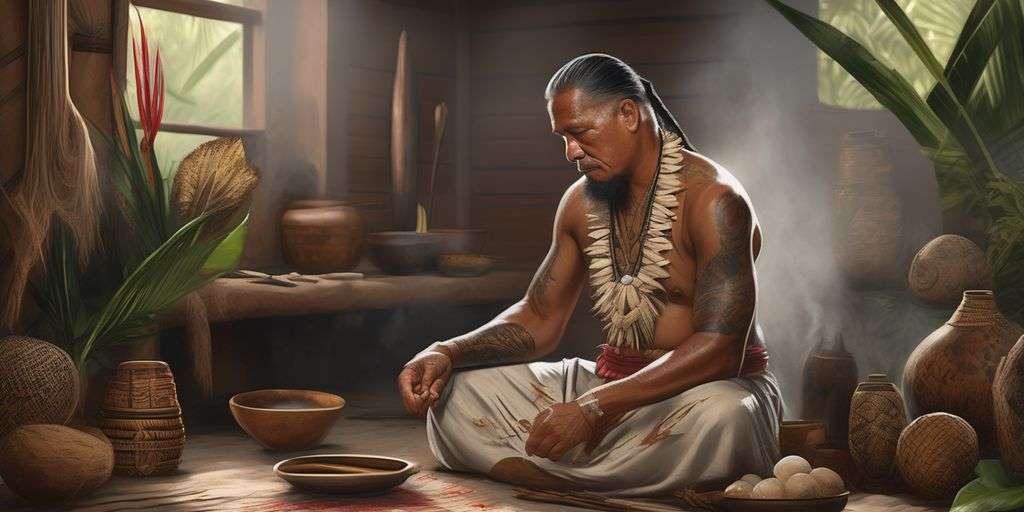
Health Practices in Asia: Ancient Wisdom for Modern Life

midtoad.org – Asia, with its rich cultural heritage and diverse traditions, has long been a source of health and wellness practices that integrate mind, body, and spirit. These ancient practices, rooted in holistic approaches, continue to offer valuable insights for modern life. This article explores some of the key health and wellness traditions from Asia, highlighting their enduring relevance and benefits in today’s fast-paced world.

Traditional Chinese Medicine

Traditional Chinese Medicine (TCM) is a comprehensive health system that has been practiced for thousands of years. It emphasizes the balance of yin and yang and the flow of qi (energy) through the body. Techniques such as acupuncture, herbal medicine, and tai chi are central to TCM, promoting physical and emotional well-being. These practices are increasingly being integrated into modern healthcare for their preventative and therapeutic benefits.

Ayurveda: The Science of Life

Originating in India, Ayurveda is one of the world’s oldest holistic healing systems. It focuses on achieving balance among the body’s doshas (Vata, Pitta, and Kapha) and emphasizes diet, lifestyle, and natural therapies. Ayurvedic practices such as yoga, meditation, and herbal treatments are gaining popularity worldwide for their ability to enhance health and vitality, reduce stress, and promote longevity.

Mindfulness and Meditation

Mindfulness and meditation have deep roots in Asian spiritual traditions, particularly Buddhism. These practices involve cultivating awareness and presence in the moment, leading to improved mental clarity and emotional resilience. As stress and anxiety become more prevalent in modern life, mindfulness and meditation offer effective tools for managing mental health and enhancing overall well-being.

Traditional Japanese Practices

Japan offers a range of traditional practices that contribute to health and wellness. The art of Ikigai, or finding one’s purpose, encourages a balanced and fulfilling life. Meanwhile, practices like forest bathing (Shinrin-yoku) promote relaxation and connection with nature. These traditions emphasize the importance of harmony and balance, aligning well with contemporary wellness trends.

The Influence of Diet and Nutrition

Asian diets, rich in plant-based ingredients, whole grains, and lean proteins, are often associated with longevity and reduced risk of chronic diseases. Practices such as mindful eating and the use of medicinal herbs and spices are integral to Asian culinary traditions. These dietary principles offer valuable lessons for adopting healthier eating habits in modern life.

Conclusion

The health and wellness practices of Asia provide a wealth of ancient wisdom that is increasingly relevant in today’s world. By embracing these holistic approaches, individuals can enhance their physical, mental, and emotional well-being. As modern life becomes more demanding, integrating these timeless practices offers a pathway to greater balance, harmony, and health. Through the fusion of ancient wisdom and modern understanding, we can create a more sustainable and fulfilling approach to wellness.
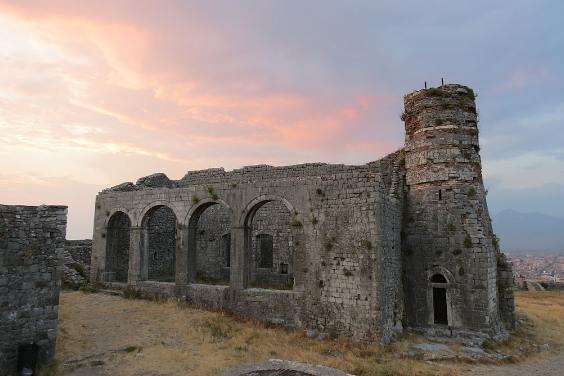
A Journey Through Time: The Ancient Castles of Albania

midtoad.org – Albania, a country with a rich historical tapestry, is home to numerous ancient castles that stand as silent witnesses to the passage of time. These architectural marvels, perched on rugged hillsides or nestled within verdant landscapes, offer a glimpse into the life of the region during the Middle Ages and beyond. From the Illyrians to the Romans, Byzantines, Venetians, and Ottomans, each civilization has left its mark on these formidable structures, making them a treasure trove of historical and cultural significance.

The Illyrian Legacy

The story of Albania’s ancient castles begins with the Illyrians, an ancient people who inhabited the Western Balkans. Their fortifications, built to defend against invaders, were among the earliest forms of castles in the region. One of the most notable examples is the Rozafa Castle in Shkodër, believed to have been constructed in the 5th century BC. The legend of Rozafa, a woman walled into the castle to ensure its stability, adds a layer of intrigue to its historical value.

The Roman Influence

With the conquest of the region by the Romans in the 2nd century BC, the architectural style of the castles began to evolve. The Romans were master builders, and their influence is evident in the construction techniques and design elements found in many Albanian castles. The Butrint Castle, located near the ancient city of Butrint, is a prime example of Roman engineering, with its strategic location and sophisticated defensive systems.

The Byzantine Era

Following the fall of the Roman Empire, the Byzantine Empire took control of the region, and with it came a new wave of architectural innovation. The Byzantines fortified existing structures and built new castles to protect against the growing threat of invasions. The castle of Krujë, a key stronghold during the Byzantine era, played a crucial role in the defense against various invaders, including the Ottomans.

The Venetian and Ottoman Periods

The Venetians, with their maritime prowess, established a presence along the Albanian coast, building and fortifying castles to protect their trade routes. The Kaninë Castle, near the city of Vlorë, is a testament to Venetian architectural influence. Meanwhile, the Ottomans, who ruled Albania for centuries, left their mark on many castles, converting some into administrative centers and mosques. The Gjirokastër Castle, with its imposing citadel and Ottoman-era clock tower, is a prime example of the blending of cultures during this period.

Exploring the Castles Today

Today, these ancient castles serve as a bridge to the past, inviting visitors to step back in time. Each castle tells a unique story, from the strategic battles fought within their walls to the daily lives of those who once called them home. Walking through the ruins, one can almost hear the echoes of history, from the clashing of swords to the bustling of markets.

Preservation and Tourism

Efforts to preserve these historical gems are ongoing, with many castles undergoing restoration to ensure they remain accessible to future generations. Tourism has also played a vital role in the preservation of these sites, as visitors from around the world come to marvel at their beauty and learn about their history.

Conclusion

The ancient castles of Albania are more than just ruins; they are living museums that offer a glimpse into the life of the region during different eras. From the Illyrians to the Ottomans, each civilization has left its mark on these formidable structures, making them a treasure trove of historical and cultural significance. As we explore these castles, we are reminded of the rich tapestry of history that has shaped Albania and the wider Balkan region. Whether perched on rugged hillsides or nestled within verdant landscapes, these ancient castles stand as silent witnesses to the passage of time, inviting us to journey through the ages and discover the stories they hold.