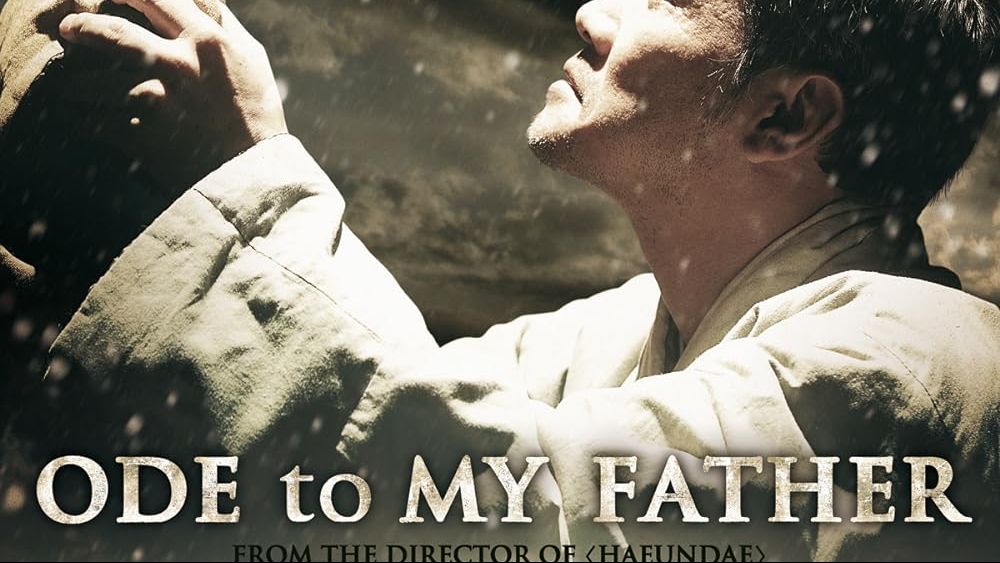
Ode to My Father: Family, Sacrifice, & Modern Korean History

midtoad.org – Ode to My Father (국제시장; Gukjesijang; literally “Gukje Market”) is a 2014 South Korean drama film directed by Yoon Je-kyoon. This epic film tells the story of a man’s life spanning several decades of modern Korean history, from the Korean War in the 1950s to the present day. It’s a deeply moving and emotional portrayal of family, sacrifice, and the enduring spirit of a generation that endured immense hardship and change.

Deok-soo’s Life: A Chronicle of Korea’s Transformation

The film follows the life of Lee Deok-soo (Hwang Jung-min) from his childhood during the Korean War. Forced to flee his home in North Korea during the Hungnam Evacuation, Deok-soo makes a promise to his father to take care of his family. This promise becomes the driving force behind his life, shaping his decisions and sacrifices for decades to come.

From War-Torn Korea to West Germany and Vietnam

Deok-soo’s life takes him on a journey through some of the most significant events in modern Korean history. He works as a miner in West Germany in the 1960s to earn money for his family, and later volunteers to fight in the Vietnam War. These experiences are depicted with a blend of realism and emotional intensity, showcasing the hardships and sacrifices faced by many Koreans during this period.

A Story of Family Bonds and Sacrifices

At its heart, Ode to My Father is a story about family. Deok-soo’s unwavering dedication to his family is the central theme, highlighting the sacrifices he makes to provide for them. The film portrays the strong bonds between family members and the importance of loyalty and responsibility.

A Nostalgic Look at a Bygone Era

The film also evokes a sense of nostalgia for a bygone era, depicting the changing landscapes of Korea and the evolving social and cultural norms. It offers a glimpse into the lives of ordinary Koreans during a period of rapid transformation, capturing the spirit and resilience of a generation that rebuilt the nation from the ashes of war.

Powerful Performances That Bring History to Life

The performances in Ode to My Father are outstanding, bringing depth and emotional resonance to the story. Hwang Jung-min delivers a tour-de-force performance as Deok-soo, portraying his character’s journey through various stages of life with remarkable authenticity. The supporting cast also delivers strong performances, contributing to the film’s emotional impact.

A Box Office Phenomenon and Cultural Touchstone

Ode to My Father was a massive commercial success in South Korea, becoming one of the highest-grossing Korean films of all time. It resonated deeply with audiences, particularly older generations who connected with the film’s portrayal of their own experiences. The film also sparked discussions about Korean history and the sacrifices made by previous generations.

The Lens of Style: Exploring Modern Eyewear Trends

midtoad.org – Eyewear has evolved far beyond its functional roots, becoming a pivotal element of personal style and fashion. From chic spectacles to bold sunglasses, modern eyewear trends showcase an intersection of technology, style, and individuality. Let’s delve into the world of eyewear and explore what’s making waves in the fashion scene today.

1. The Rise of Sustainable Eyewear

As sustainability becomes a crucial consideration in fashion, eyewear brands are increasingly adopting eco-friendly practices. Materials such as recycled plastics, biodegradable acetate, and responsibly sourced wood are gaining popularity. These sustainable options not only reduce environmental impact but also offer unique textures and aesthetics, appealing to the environmentally conscious consumer.

2. Retro Revival: A Nod to the Past

Vintage-inspired frames are making a comeback, with styles from the 70s, 80s, and 90s being reimagined for the modern wearer. Think oversized aviators, cat-eye shapes, and round frames reminiscent of John Lennon. These throwback designs evoke nostalgia while effortlessly blending with contemporary elements, offering a timeless appeal.

3. The Minimalist Movement

Simplicity and elegance are at the forefront of the minimalist eyewear trend. Clean lines, subtle colors, and lightweight materials define this style. Minimalist frames often feature thin metal or transparent acetate, creating a barely-there look that complements any outfit. This trend is perfect for those who prefer a subtle yet sophisticated touch to their eyewear.

4. Bold and Colorful Statements

For those who love to make a statement, bold and colorful eyewear is a must. Vibrant hues, striking patterns, and oversized frames dominate this trend, allowing wearers to express their personalities through their eyewear. Whether it’s neon shades or artistic prints, bold eyewear is all about standing out and embracing individuality.

5. Tech-Integrated Eyewear

The integration of technology into eyewear is revolutionizing the industry. Smart glasses with augmented reality capabilities, blue light-blocking lenses for screen time, and transition lenses that adapt to lighting conditions are just a few examples. These innovations cater to the digital age, enhancing functionality while maintaining style.

6. Customization and Personalization

In an era where personalization is key, customizable eyewear is gaining traction. Brands now offer options to tailor frames, colors, and even lens coatings to suit individual preferences. This trend not only enhances personal style but also ensures a perfect fit, combining aesthetics with comfort.

Conclusion: Eyewear as an Expression of Self

Modern eyewear trends reflect a dynamic blend of fashion, technology, and sustainability. Whether you’re drawn to the elegance of minimalist designs, the boldness of vibrant frames, or the nostalgia of retro styles, there’s something for everyone. Eyewear today is not just about vision correction or sun protection; it’s a powerful mode of self-expression, allowing individuals to showcase their unique style through the lens of fashion.

Health Practices in Asia: Ancient Wisdom for Modern Life

midtoad.org – Asia, with its rich cultural heritage and diverse traditions, has long been a source of health and wellness practices that integrate mind, body, and spirit. These ancient practices, rooted in holistic approaches, continue to offer valuable insights for modern life. This article explores some of the key health and wellness traditions from Asia, highlighting their enduring relevance and benefits in today’s fast-paced world.

Traditional Chinese Medicine

Traditional Chinese Medicine (TCM) is a comprehensive health system that has been practiced for thousands of years. It emphasizes the balance of yin and yang and the flow of qi (energy) through the body. Techniques such as acupuncture, herbal medicine, and tai chi are central to TCM, promoting physical and emotional well-being. These practices are increasingly being integrated into modern healthcare for their preventative and therapeutic benefits.

Ayurveda: The Science of Life

Originating in India, Ayurveda is one of the world’s oldest holistic healing systems. It focuses on achieving balance among the body’s doshas (Vata, Pitta, and Kapha) and emphasizes diet, lifestyle, and natural therapies. Ayurvedic practices such as yoga, meditation, and herbal treatments are gaining popularity worldwide for their ability to enhance health and vitality, reduce stress, and promote longevity.

Mindfulness and Meditation

Mindfulness and meditation have deep roots in Asian spiritual traditions, particularly Buddhism. These practices involve cultivating awareness and presence in the moment, leading to improved mental clarity and emotional resilience. As stress and anxiety become more prevalent in modern life, mindfulness and meditation offer effective tools for managing mental health and enhancing overall well-being.

Traditional Japanese Practices

Japan offers a range of traditional practices that contribute to health and wellness. The art of Ikigai, or finding one’s purpose, encourages a balanced and fulfilling life. Meanwhile, practices like forest bathing (Shinrin-yoku) promote relaxation and connection with nature. These traditions emphasize the importance of harmony and balance, aligning well with contemporary wellness trends.

The Influence of Diet and Nutrition

Asian diets, rich in plant-based ingredients, whole grains, and lean proteins, are often associated with longevity and reduced risk of chronic diseases. Practices such as mindful eating and the use of medicinal herbs and spices are integral to Asian culinary traditions. These dietary principles offer valuable lessons for adopting healthier eating habits in modern life.

Conclusion

The health and wellness practices of Asia provide a wealth of ancient wisdom that is increasingly relevant in today’s world. By embracing these holistic approaches, individuals can enhance their physical, mental, and emotional well-being. As modern life becomes more demanding, integrating these timeless practices offers a pathway to greater balance, harmony, and health. Through the fusion of ancient wisdom and modern understanding, we can create a more sustainable and fulfilling approach to wellness.

Doctors and Nurses in Modern Medicine: The Gentle Healers

midtoad.org – In the ever-evolving landscape of modern medicine, the roles of doctors and nurses have become increasingly complex and multifaceted. Yet, at the heart of their profession lies a simple, unwavering commitment: to heal, to comfort, and to care. These gentle healers are the backbone of healthcare systems worldwide, embodying the compassionate, empathetic, and knowledgeable face of medicine. This article delves into the intricate dance between doctors and nurses, exploring their roles, challenges, and the profound impact they have on the lives of their patients.

Doctors, with their extensive medical training and expertise, are often seen as the architects of healthcare. They diagnose illnesses, prescribe treatments, and perform surgeries, wielding the power of modern medicine to combat disease and injury. Yet, their role extends far beyond the clinical. Doctors are also communicators, educators, and often, bearers of life-altering news. They must navigate the delicate balance of delivering hope while being honest, of being authoritative while remaining approachable.

Nurses, on the other hand, are the constant companions of patients, providing care that is both physical and emotional. They administer medications, monitor patients’ conditions, and offer a listening ear and a comforting touch. Nurses are the glue that holds the healthcare system together, ensuring that the care prescribed by doctors is delivered with precision and compassion. Their work is physically demanding and emotionally taxing, yet it is driven by a profound sense of duty and empathy.

The relationship between doctors and nurses is a symbiotic one, characterized by mutual respect and collaboration. Effective communication and teamwork are essential, as they work together to develop and implement treatment plans that are both medically sound and patient-centered. This partnership is not just about the division of labor; it’s about leveraging each other’s strengths to provide the best possible care.

Despite the noble nature of their work, doctors and nurses face numerous challenges in modern medicine. The rise of chronic diseases, an aging population, and advances in medical technology have increased the complexity of patient care. At the same time, healthcare systems are grappling with issues such as rising costs, staffing shortages, and the mental health of healthcare professionals. The COVID-19 pandemic has further highlighted these challenges, pushing healthcare workers to the brink and underscoring the need for systemic change.

Yet, amidst these challenges, the resilience and dedication of doctors and nurses shine through. They continue to adapt, innovate, and care, driven by a profound commitment to their patients. Their work is a testament to the human spirit’s capacity for compassion and resilience in the face of adversity.

In conclusion, doctors and nurses are more than just practitioners of medicine; they are healers in the truest sense of the word. Their work is a delicate blend of science and humanity, of technical skill and tender care. As we navigate the complexities of modern medicine, let us not forget the gentle healers who stand at the forefront, guiding us through illness and injury with a steady hand and a compassionate heart. Their contributions are invaluable, their sacrifices immense, and their impact on our lives, immeasurable.