The Beauty Inside (뷰티 인사이드): The Essence of Love

midtoad.org – “The Beauty Inside” (뷰티 인사이드), a 2015 South Korean romantic comedy-drama film directed by Baik, presents a unique and imaginative take on love and relationships. The film, based on the 2012 American social film The Beauty Inside, explores the concept of inner beauty and the challenges of maintaining a connection when external appearances change constantly.

A Man Who Wakes Up in a Different Body Every Day

The film’s central character, Woo-jin, has a unique condition: he wakes up every day in a different body, regardless of age, gender, or nationality. Sometimes he’s a man, sometimes a woman, sometimes young, sometimes old, sometimes Korean, sometimes foreign. This constant transformation makes it incredibly difficult for him to maintain stable relationships.

Despite this unusual condition, Woo-jin manages to live a relatively normal life, working as a furniture designer with his best friend, Sang-baek. He also falls in love with Yi-soo (Han Hyo-joo), a beautiful woman who works at a furniture store.

Building a Relationship Beyond Physical Appearance

Woo-jin’s changing appearance presents a significant challenge to his relationship with Yi-soo. He must find creative ways to communicate with her and maintain their connection despite his constant transformations. He reveals his secret to her, and to his surprise, she accepts him for who he is on the inside.

The film beautifully portrays the development of their relationship, focusing on their emotional connection and shared interests rather than physical appearance. Yi-soo learns to recognize Woo-jin’s inner self, regardless of his outward form.

The Challenges of a Unique Condition

While Yi-soo accepts Woo-jin’s condition, their relationship is not without its challenges. The constant changes in his appearance create practical difficulties and emotional strain. Yi-soo must adjust to seeing him in different bodies every day, and Woo-jin struggles with the fear of losing her because of his condition.

The film explores the emotional toll that this unique situation takes on both characters, highlighting the importance of communication, trust, and understanding in any relationship.

Themes of Inner Beauty, Identity, and Acceptance

“The Beauty Inside” explores several key themes:

  • Inner Beauty: The film emphasizes the importance of inner beauty over physical appearance. Woo-jin’s condition forces Yi-soo to look beyond the surface and connect with his true self.
  • Identity and Self-Acceptance: The film explores the concept of identity and the challenges of self-acceptance. Woo-jin’s constant transformations force him to confront the question of who he truly is beyond his physical form.
  • Love and Connection: The film celebrates the power of love and human connection to transcend physical limitations. Woo-jin and Yi-soo’s relationship demonstrates that true connection is based on shared values, emotions, and understanding.
  • The Nature of Relationships: The film offers a unique perspective on the nature of relationships, highlighting the importance of communication, trust, and acceptance in maintaining a strong bond.

A Visually Stunning and Thought-Provoking Film

“The Beauty Inside” is a visually stunning and thought-provoking film that offers a fresh and imaginative take on the romantic comedy genre. The film’s unique premise, combined with its beautiful cinematography, evocative soundtrack, and strong performances, creates a memorable cinematic experience. It encourages viewers to look beyond the surface and appreciate the true beauty that lies within each individual. The film also spawned a well-received drama adaptation.
Ode to My Father: Family, Sacrifice, & Modern Korean History

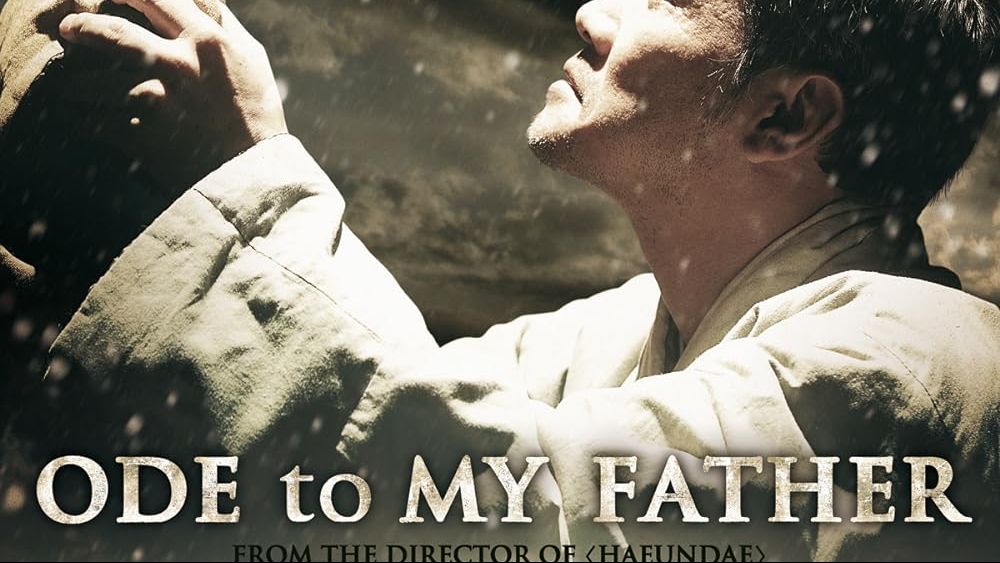
midtoad.org – Ode to My Father (국제시장; Gukjesijang; literally “Gukje Market”) is a 2014 South Korean drama film directed by Yoon Je-kyoon. This epic film tells the story of a man’s life spanning several decades of modern Korean history, from the Korean War in the 1950s to the present day. It’s a deeply moving and emotional portrayal of family, sacrifice, and the enduring spirit of a generation that endured immense hardship and change.

Deok-soo’s Life: A Chronicle of Korea’s Transformation

The film follows the life of Lee Deok-soo (Hwang Jung-min) from his childhood during the Korean War. Forced to flee his home in North Korea during the Hungnam Evacuation, Deok-soo makes a promise to his father to take care of his family. This promise becomes the driving force behind his life, shaping his decisions and sacrifices for decades to come.

From War-Torn Korea to West Germany and Vietnam

Deok-soo’s life takes him on a journey through some of the most significant events in modern Korean history. He works as a miner in West Germany in the 1960s to earn money for his family, and later volunteers to fight in the Vietnam War. These experiences are depicted with a blend of realism and emotional intensity, showcasing the hardships and sacrifices faced by many Koreans during this period.

A Story of Family Bonds and Sacrifices

At its heart, Ode to My Father is a story about family. Deok-soo’s unwavering dedication to his family is the central theme, highlighting the sacrifices he makes to provide for them. The film portrays the strong bonds between family members and the importance of loyalty and responsibility.

A Nostalgic Look at a Bygone Era

The film also evokes a sense of nostalgia for a bygone era, depicting the changing landscapes of Korea and the evolving social and cultural norms. It offers a glimpse into the lives of ordinary Koreans during a period of rapid transformation, capturing the spirit and resilience of a generation that rebuilt the nation from the ashes of war.

Powerful Performances That Bring History to Life

The performances in Ode to My Father are outstanding, bringing depth and emotional resonance to the story. Hwang Jung-min delivers a tour-de-force performance as Deok-soo, portraying his character’s journey through various stages of life with remarkable authenticity. The supporting cast also delivers strong performances, contributing to the film’s emotional impact.

A Box Office Phenomenon and Cultural Touchstone

Ode to My Father was a massive commercial success in South Korea, becoming one of the highest-grossing Korean films of all time. It resonated deeply with audiences, particularly older generations who connected with the film’s portrayal of their own experiences. The film also sparked discussions about Korean history and the sacrifices made by previous generations.

The Last Ninja (1983): A Legacy of Stealth and Shadows

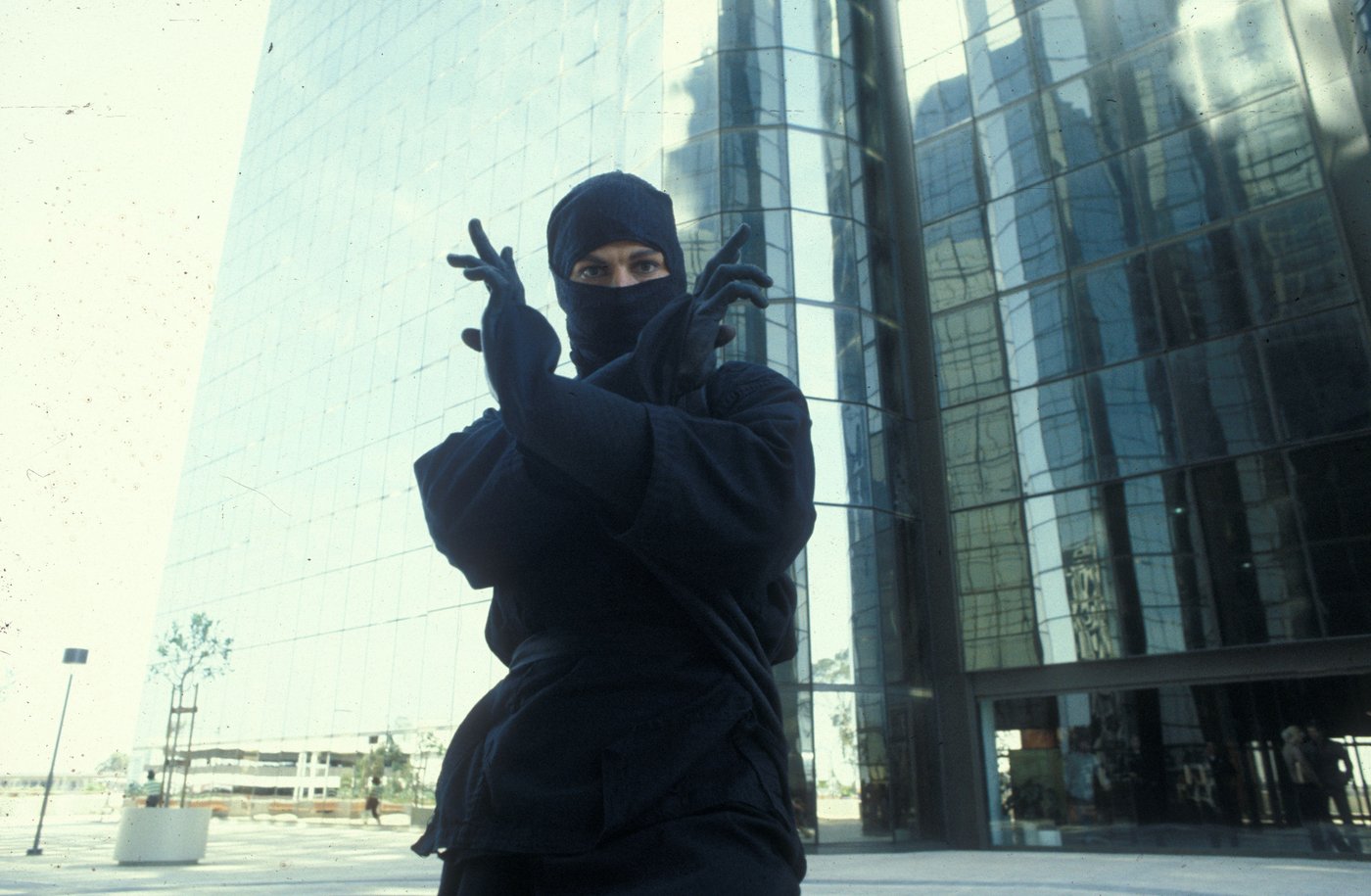
midtoad.org The Last Ninja, released in 1983 for the Commodore 64 and later ported to various other platforms, wasn’t just another action game. It was a phenomenon. Its blend of isometric perspective, detailed graphics (for the time), and a compelling atmosphere of feudal Japan captivated players and cemented its place as a classic in gaming history. It wasn’t the first game to feature ninjas, but it arguably did more than any other to popularize the ninja theme in video games, especially in the West.

A Technological Marvel: Pushing the Boundaries of 8-Bit Graphics

One of the most striking aspects of The Last Ninja was its graphics. Developed by System 3, the game utilized an isometric perspective, giving a pseudo-3D effect that was uncommon for 8-bit computers. This perspective allowed for detailed environments, including forests, castles, and caves, creating a sense of depth and immersion that was rare at the time.

The character sprites, while limited by the technology, were well-animated and distinctive. The ninja’s movements, from running and jumping to wielding his katana and throwing shurikens, were fluid and believable, further enhancing the game’s atmosphere. The use of color, while restricted by the hardware, was employed effectively to create distinct environments and a sense of mood.

Gameplay and Mechanics: A Blend of Action and Exploration

The Last Ninja wasn’t simply a hack-and-slash game. It combined action elements with exploration and puzzle-solving. Players controlled the titular ninja, navigating through various levels, each with its own unique setting and challenges.

Combat was a significant part of the gameplay. The ninja could use a variety of weapons, including a katana, shurikens, nunchaku, and smoke bombs. Each weapon had its own strengths and weaknesses, requiring players to adapt their strategy depending on the situation. Stealth was also a crucial element. Players could hide in the shadows, avoid enemy patrols, and use stealth tactics to eliminate opponents.

The game also incorporated light puzzle elements, requiring players to find keys, activate switches, and navigate through maze-like environments. This combination of action, exploration, and puzzle-solving kept the gameplay engaging and varied.

Sound and Atmosphere: Creating a Sense of Immersion

The game’s sound design, while limited by the 8-bit sound chips of the time, contributed significantly to the atmosphere. The sparse but effective sound effects, such as the clashing of swords and the rustling of leaves, helped to create a sense of immersion.

The game’s overall presentation, from the detailed graphics to the atmospheric sound, created a compelling sense of feudal Japan, immersing players in the world of ninjas and samurai.

Legacy and Influence: Paving the Way for Future Ninja Games

The Last Ninja was a commercial and critical success, selling millions of copies and receiving numerous awards. Its impact on the gaming industry, particularly the ninja genre, is undeniable.   

The game’s isometric perspective, detailed graphics, and blend of action, exploration, and stealth influenced many subsequent ninja games. It helped to popularize the ninja theme in video games and paved the way for future classics like Ninja Gaiden and Tenchu.

Even today, The Last Ninja is remembered fondly by many gamers as a classic title that pushed the boundaries of 8-bit gaming and created a lasting legacy in the world of video games. It stands as a testament to the power of innovative game design and the enduring appeal of the ninja mythos.

Double Pisces, Scorpio Rising: A Surreal Cinematic Experiment

midtoad.org – Double Pisces, Scorpio Rising (1970) is a surreal and experimental film directed by Dick Fontaine. This enigmatic work blends documentary, fiction, and fantasy, offering a glimpse into the mind of the filmmaker himself. The film is a personal exploration of identity, sexuality, and the nature of reality, presented through a series of fragmented and often dreamlike sequences.   

A Personal Odyssey

At the heart of the film is Dick Fontaine, a charismatic and enigmatic figure who serves as both director and protagonist. Fontaine’s on-screen persona is a blend of reality and fiction, blurring the lines between the filmmaker and the character. The film delves into Fontaine’s personal life, his relationships, and his artistic aspirations, often through surreal and symbolic imagery.

A Tapestry of Influences

Double Pisces, Scorpio Rising draws inspiration from a variety of sources, including avant-garde cinema, rock music, and occult symbolism. The film features a soundtrack by Pete Townshend of The Who, which adds to its psychedelic and experimental atmosphere. The film’s visual style is characterized by its bold use of color, unconventional camera angles, and surreal imagery.   

A Cult Classic

Despite its unconventional nature, Double Pisces, Scorpio Rising has developed a cult following over the years. The film’s enigmatic and often disturbing imagery, combined with its experimental approach to storytelling, has captivated audiences and inspired filmmakers. It remains a challenging and rewarding viewing experience, offering a glimpse into the mind of a unique and visionary artist.

Conclusion

Double Pisces, Scorpio Rising is a groundbreaking film that defies easy categorization. It is a personal and experimental work that challenges traditional notions of narrative and reality. The film’s enduring appeal lies in its ability to provoke thought and inspire discussion. It is a testament to the power of cinema to explore the depths of the human psyche.

White Comanche: A Spaghetti Western Double Trouble

midtoad.org – White Comanche (1968) is a classic Spaghetti Western that features a standout performance by William Shatner in a dual role. The film, directed by José Briz Méndez, is known for its stunning landscapes, gritty action, and a complex plot involving twin brothers with contrasting destinies.   

A Tale of Two Brothers

The story revolves around identical twin brothers, Johnny Moon (Shatner) and Notah Moon (also Shatner). While Johnny is a peaceful drifter, Notah is a ruthless Comanche warrior driven by a desire for vengeance against white settlers. Their contrasting personalities and paths lead to a fateful confrontation that will determine the fate of a small frontier town.   

A Spaghetti Western with a Twist

White Comanche is a unique entry in the Spaghetti Western genre. It blends elements of traditional Westerns with psychological drama and supernatural themes. The film’s exploration of identity, destiny, and the blurred lines between good and evil adds depth to the story.

Shatner’s dual performance is one of the film’s highlights. He effortlessly switches between the calm and collected Johnny and the wild and unpredictable Notah. His portrayal of the two characters is nuanced and captivating, adding to the film’s overall impact.

A Forgotten Gem

Despite its cult following, White Comanche remains relatively unknown to mainstream audiences. The film’s distinctive style, combined with its strong performances and breathtaking scenery, makes it a must-watch for fans of Spaghetti Westerns and William Shatner. It’s a testament to the enduring appeal of the genre and a reminder of Shatner’s versatility as an actor.

Bond Girls Are Forever: A Tribute to the Women of 007

midtoad.org – Released in 2002, Bond Girls Are Forever is a captivating documentary that celebrates the iconic women who have graced the silver screen alongside James Bond. Hosted by Maryam d’Abo, who portrayed Kara Milovy in The Living Daylights, the film takes viewers on a nostalgic journey through the history of the Bond franchise, focusing on the glamorous and often deadly Bond girls.   

A Glimpse into the Bond Girl Phenomenon

The documentary features interviews with a number of legendary Bond girls, including Ursula Andress, Honor Blackman, Jill St. John, Jane Seymour, and Halle Berry. These iconic actresses share their personal experiences of working on the Bond films, discussing the challenges and rewards of portraying such iconic roles.   

Bond Girls Are Forever delves into the evolution of the Bond girl, from the exotic and often submissive figures of the early films to the strong and independent women of the modern era. The film explores how the Bond girl has reflected changing societal attitudes towards women and sexuality.   

A Celebration of Style and Glamour

One of the most striking aspects of the Bond girl phenomenon is the enduring appeal of their style and glamour. The documentary showcases the iconic costumes, hairstyles, and makeup that have defined the Bond girl aesthetic. It also highlights the impact of these films on fashion and popular culture.

Bond Girls Are Forever is a must-watch for fans of the James Bond franchise. It offers a fascinating glimpse into the world of 007, celebrating the enduring legacy of the Bond girls and their impact on cinema history.

Don’t Look Now: A Exploration of Grief and the Supernatural

midtoad.org Don’t Look Now is a 1973 British psychological horror film directed by Nicolas Roeg, based on Daphne du Maurier’s short story of the same name. The film is renowned for its atmospheric cinematography, enigmatic plot, and ambiguous ending, making it a classic of the genre.

A Haunting Tale of Grief and the Supernatural

The film follows John and Laura Baxter, a couple grieving the loss of their young daughter. They travel to Venice, Italy, seeking solace and a fresh start. However, strange occurrences begin to haunt them, including visions of a young girl in a red coat. As the couple delves deeper into the mysterious events, they become increasingly disturbed and paranoid.

Don’t Look Now is a masterclass in suspense and atmosphere. Roeg’s distinctive visual style, characterized by unconventional camera angles, jump cuts, and surreal imagery, creates a sense of unease and foreboding. The film’s use of color, particularly the striking red of the girl’s coat, adds to the film’s eerie and dreamlike quality.

A Psychological Thriller

The film delves into the psychological impact of grief, exploring themes of loss, guilt, and the blurred lines between reality and fantasy. The characters’ experiences with the supernatural raise questions about the nature of perception and the power of the human mind.

Donald Sutherland and Julie Christie deliver powerful performances as John and Laura Baxter, capturing the characters’ vulnerability, desperation, and growing paranoia. The film’s ambiguous ending leaves viewers to interpret the events for themselves, adding to its enduring appeal.

A Timeless Classic of the Horror Genre

Don’t Look Now is a timeless classic of the horror genre that continues to captivate and disturb audiences. Its haunting atmosphere, psychological depth, and unforgettable imagery make it a must-watch for fans of the genre. The film’s exploration of grief, loss, and the supernatural remains relevant today, making it a powerful and thought-provoking cinematic experience.

Wicked: A Magical Journey to Oz – A Star-Studded Cast

midtoad.org – Wicked (2024) is an epic fantasy musical film adaptation of the beloved Broadway musical of the same name. Directed by Jon M. Chu, the film brings to life the untold story of the Witches of Oz, Elphaba and Glinda.

A Star-Studded Cast

The film boasts a stellar cast, with Grammy-winning pop sensation Ariana Grande taking on the role of the bubbly and popular Glinda, and Emmy, Grammy, and Tony Award-winning actress Cynthia Erivo as the misunderstood and misunderstood Elphaba. The supporting cast includes Jonathan Bailey, Ethan Slater, Michelle Yeoh, and Jeff Goldblum.

A Visual Feast

Wicked is a visual spectacle, with stunning sets, dazzling costumes, and breathtaking special effects. The film’s vibrant and imaginative world-building transports audiences to the magical land of Oz.

A Timeless Tale of Friendship and Betrayal

The film delves into the complex relationship between Elphaba and Glinda, exploring themes of friendship, love, power, and the nature of good and evil. As the two women navigate the challenges of their lives, their bond is tested, leading to a dramatic and unforgettable journey.

A Musical Masterpiece

Wicked features a soaring score and iconic songs that have captivated audiences for decades. The film’s musical numbers are both visually stunning and emotionally powerful, showcasing the incredible vocal talents of Ariana Grande and Cynthia Erivo.

Wicked is a cinematic event that promises to enchant audiences of all ages. With its stunning visuals, powerful performances, and timeless story, the film is set to become a classic.

84C MoPic: A Pioneering Found Footage War Drama

midtoad.org – “84C MoPic,” also known as “84 Charlie MoPic,” is a 1989 American independent film that pioneered the use of the found footage style to portray the Vietnam War. Written and directed by Patrick Sheane Duncan, a Vietnam veteran himself, the film offers a raw and intimate depiction of war through the lens of a combat cameraman.

Plot Overview

The film is presented as a mock documentary, following a Long Range Reconnaissance Patrol (LRRP) mission during the Vietnam War. The narrative unfolds from the perspective of an Army cameraman, referred to by his military designation “84C MoPic” (Motion Picture Specialist), as he embeds with a small recon team on a mission in enemy territory. This unique vantage point allows viewers to experience the soldiers’ fears, camaraderie, and the harsh realities of war firsthand.

Cinematic Style and Impact

“84C MoPic” is notable for its innovative use of the found footage style, a technique that would later gain widespread popularity with films like “The Blair Witch Project” and “Paranormal Activity.” By employing this approach, Duncan creates an immersive and authentic experience that draws the audience into the soldiers’ world, emphasizing the chaos and unpredictability of war.

Critical Reception

Upon its release, “84C MoPic” received critical acclaim for its realistic portrayal of military life and its groundbreaking cinematic style. The film’s commitment to authenticity, bolstered by Duncan’s personal experience as a combat veteran, resonated with audiences and critics alike, earning it a place among the notable Vietnam War films of its time.

Conclusion

“84C MoPic” stands as a testament to the power of innovative storytelling in cinema. By merging the documentary format with narrative fiction, Patrick Sheane Duncan crafted a film that not only entertains but also educates viewers about the complexities and human cost of war. Its influence on the found footage genre remains significant, marking it as a pioneering work in both war cinema and independent filmmaking.

ATM: Er Rak Error (2012) – Romantic Comedy from Thailand

midtoad.org – “ATM: Er Rak Error” is a popular romantic comedy film from Thailand, released in 2012. Directed by Mez Tharatorn, this film quickly became a favorite among audiences for its unique blend of humor, romance, and a clever storyline. The movie stars Chantavit Dhanasevi and Preechaya Pongthananikorn in the lead roles, whose chemistry and comedic timing play a significant role in the film’s success.

Plot Summary

The story revolves around a couple, Jib and Sua, who work at the same bank but have to keep their relationship a secret due to a strict company policy against workplace romances. When an ATM machine malfunctions and dispenses extra cash to customers, chaos ensues. The couple is then tasked with recovering the lost money, but there’s a twist: only one of them can stay at the bank. They agree that whoever retrieves the money will keep their job, while the other must resign.

Characters and Performances

Chantavit Dhanasevi, known for his charismatic presence, shines as Sua, the determined and somewhat mischievous boyfriend. Preechaya Pongthananikorn, in her debut film role as Jib, delivers a delightful performance as the smart and witty girlfriend. Their on-screen chemistry is both believable and entertaining, adding depth to the comedic and romantic elements of the film.

Themes and Humor

The film explores themes of love, trust, and the lengths people go to for their careers. It cleverly uses humor to address the challenges of maintaining a relationship while balancing professional responsibilities. The comedic situations arising from the ATM error are well-crafted, providing plenty of laughs and engaging the audience throughout.

Reception and Impact

“ATM: Er Rak Error” was a commercial success in Thailand and received positive reviews from critics and audiences alike. Its success is attributed to its engaging storyline, strong performances, and relatable humor. The film’s popularity also contributed to the rising trend of romantic comedies in Thai cinema during the early 2010s.

Conclusion

“ATM: Er Rak Error” is a must-watch for fans of romantic comedies. Its unique premise, coupled with a strong cast and an engaging script, makes it a standout film in Thai cinema. Whether you are looking for a light-hearted comedy or a charming love story, this film delivers on both fronts, ensuring a delightful viewing experience.

Sang Penari (The Dancer) (2011) – Indonesian Culture

midtoad.org – “Sang Penari” (The Dancer), released in 2011, is an Indonesian film directed by Ifa Isfansyah, adapted from the trilogy of novels “Ronggeng Dukuh Paruk” by Ahmad Tohari. Set against the backdrop of 1960s Indonesia, the film intricately weaves a tale of love, cultural heritage, and political shifts. With stellar performances by actors such as Prisia Nasution and Nyoman Oka Antara, the movie has been lauded as a significant contribution to Indonesian cinema.

Plot and Themes

The film centers around a young dancer named Srintil, portrayed by Prisia Nasution, who aspires to become a ronggeng, a traditional dancer believed to possess mystical powers. Her journey unfolds in a small, impoverished village called Dukuh Paruk, where she faces both internal and external conflicts. As she navigates her path, Srintil’s life becomes intertwined with Rasus, a young man who is deeply in love with her, played by Oka Antara.

“Sang Penari” explores themes of tradition versus modernity, the role of women in society, and the impact of political change on personal lives. The film also delves into the socio-political landscape of Indonesia during the transition from the Old Order to the New Order, capturing the tension and uncertainty that characterized the era.

Cinematic Excellence

Director Ifa Isfansyah’s meticulous attention to detail is evident in the film’s visual storytelling. The lush cinematography captures the vibrant colors of traditional Javanese culture, while the haunting score complements the film’s emotional depth. Prisia Nasution’s portrayal of Srintil earned her critical acclaim, as she embodied the character’s grace and resilience with authenticity and sensitivity.

Cultural Significance

“Sang Penari” is more than just a love story; it is a celebration of Indonesian cultural heritage. The film highlights the art of ronggeng, a dance form steeped in history and spirituality, bringing it to the forefront of modern Indonesian consciousness. By doing so, it preserves the legacy of traditional arts and fosters a deeper appreciation for Indonesia’s rich cultural tapestry.

Conclusion

“Sang Penari” stands as a testament to the power of cinema to reflect societal values and historical contexts. Its compelling narrative and cultural richness make it a must-watch for anyone interested in exploring the nuances of Indonesian culture and history. Through its poignant storytelling and evocative performances, “Sang Penari” continues to enchant audiences and inspire discussions about identity, tradition, and change.

“Winter Sleep” (Kış Uykusu): A Cinematic Masterpiece

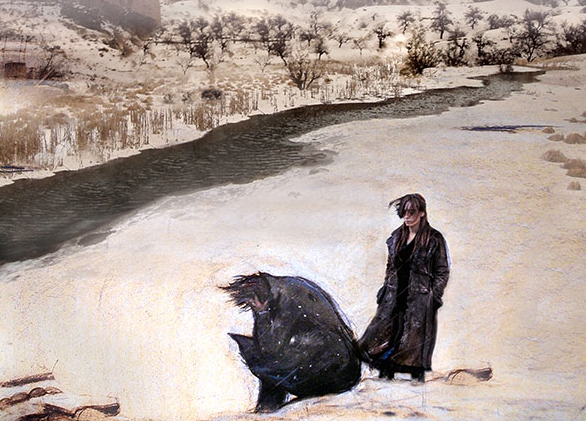
midtoad.org – “Winter Sleep” (Kış Uykusu) is a compelling Turkish film directed by the esteemed Nuri Bilge Ceylan. Released in 2014, this cinematic masterpiece received critical acclaim and was awarded the prestigious Palme d’Or at the Cannes Film Festival. Set against the stark and hauntingly beautiful landscapes of Cappadocia, the film delves into the complexities of human relationships and the introspective struggles of its characters.

Plot Summary

The narrative centers around Aydın, a retired actor who runs a small hotel in the remote Anatolian mountains with his much younger wife, Nihal, and his recently divorced sister, Necla. As the winter snow begins to blanket the region, the isolation intensifies the simmering tensions among the trio, forcing them to confront their personal demons and the intricate dynamics of their relationships.

Themes and Analysis

“Winter Sleep” intricately weaves themes of existential reflection, societal roles, and the search for meaning. The film’s dialogue-heavy structure encourages viewers to ponder the nature of power, pride, and the human condition. Aydın’s character embodies the struggle between his intellectual pursuits and the moral dilemmas he faces, serving as a microcosm of broader societal issues.

The Beauty of Isolation

Ceylan masterfully uses the desolate yet breathtaking Cappadocian landscape to underscore the film’s exploration of isolation and introspection. The vast, snow-covered terrain mirrors the emotional distance and solitude experienced by the characters, adding a layer of depth to their internal conflicts.

Human Relationships

At its core, “Winter Sleep” is a study of human relationships, examining the fragile ties that bind individuals together. The film delves into the complexities of marriage, familial bonds, and social hierarchies, revealing the often unspoken grievances and desires that lurk beneath the surface.

Cinematic Techniques

Ceylan’s directorial prowess shines through in “Winter Sleep” with his meticulous attention to detail and use of long, contemplative shots. The film’s pacing allows audiences to immerse themselves in the characters’ world, encouraging introspection and empathy. The nuanced performances by the cast, particularly Haluk Bilginer as Aydın, bring depth and authenticity to the narrative.

Conclusion

“Winter Sleep” is a thought-provoking and beautifully crafted film that challenges viewers to reflect on their own lives and relationships. Through its rich storytelling and stunning visuals, the film offers a profound meditation on the human experience, making it a timeless piece of cinema. Nuri Bilge Ceylan’s ability to capture the intricacies of human nature and the transformative power of isolation cements “Winter Sleep” as a modern classic.

Suzhou River (2000): A Exploration of Love and Identity

midtoad.org – “Suzhou River” is a compelling and atmospheric film directed by Lou Ye, released in the year 2000. Set against the backdrop of Shanghai’s bustling riverbanks, the movie delves into themes of love, identity, and the complexities of human relationships. With its unique narrative style and visually striking cinematography, “Suzhou River” has earned critical acclaim and continues to be a significant work in Chinese cinema.

Plot Overview

The film follows the intertwined stories of Mardar, a motorcycle courier, and Moudan, a young woman he becomes romantically involved with. Mardar’s job involves transporting goods along the Suzhou River, a task that eventually leads him into the underworld of crime. As the story unfolds, Mardar becomes embroiled in a kidnapping plot that spirals out of control, causing a rift between him and Moudan.

A parallel narrative emerges featuring Meimei, a performer at a nightclub, who bears a striking resemblance to Moudan. This resemblance becomes a focal point as Mardar’s obsession with finding Moudan intensifies, blurring the lines between reality and illusion. The film’s narrative is further complicated by a nameless videographer who documents the unfolding drama, offering an outsider’s perspective on the events.

Themes and Style

“Suzhou River” is renowned for its innovative storytelling and stylistic choices. The film employs a non-linear narrative, with fragmented timelines and multiple perspectives that challenge the audience’s understanding of truth and reality. This approach mirrors the chaotic and ever-changing environment of Shanghai, a city in transition.

Central to the film is the exploration of identity and the nature of love. Mardar’s fixation on Moudan and his subsequent attraction to Meimei raise questions about the authenticity of emotions and the human tendency to project desires onto others. The film’s use of the river as a metaphor underscores the fluidity and unpredictability of life and relationships.

The visual style of “Suzhou River” is notable for its gritty, documentary-like aesthetic. The use of handheld cameras and natural lighting enhances the film’s realism and immerses the viewer in the urban landscape of Shanghai. This raw visual approach complements the film’s themes and adds depth to its portrayal of the characters’ inner turmoil.

Critical Reception

Upon its release, “Suzhou River” received widespread critical acclaim for its bold narrative and technical achievements. Critics praised Lou Ye’s direction and the film’s ability to capture the essence of modern-day Shanghai. The performances by Jia Hongsheng as Mardar and Zhou Xun as both Moudan and Meimei were lauded for their depth and emotional resonance.

The film’s exploration of identity and the blurred lines between reality and fantasy have drawn comparisons to the works of international auteurs such as Alfred Hitchcock and Wong Kar-wai. “Suzhou River” has been celebrated for its contribution to the Sixth Generation of Chinese cinema, a movement characterized by its focus on contemporary social issues and innovative storytelling techniques.

Conclusion

“Suzhou River” is a landmark film that continues to captivate audiences with its intricate narrative and evocative imagery. Through its exploration of love, identity, and the human condition, the film offers a poignant reflection on the complexities of modern life. As a testament to Lou Ye’s directorial vision, “Suzhou River” remains a significant work in the canon of Chinese cinema, inviting viewers to ponder the nature of truth and the depths of the human heart.

Finding Nemo: A Journey Through the Ocean

midtoad.org – “Finding Nemo” is a beloved animated film produced by Pixar Animation Studios and released by Walt Disney Pictures in 2003. Directed by Andrew Stanton, the movie tells the heartwarming story of a clownfish named Marlin who embarks on an epic journey to find his son, Nemo. The film is celebrated for its stunning visuals, engaging storyline, and memorable characters, making it a timeless classic in the world of animation.

Plot Summary

The story begins in the vibrant underwater world of the Great Barrier Reef, where Marlin lives with his only son, Nemo. Overprotective of Nemo due to a tragic past, Marlin is cautious of the dangers of the ocean. However, on Nemo’s first day of school, he is captured by a diver and taken to a dentist’s office aquarium in Sydney. Determined to rescue his son, Marlin sets off on a daring adventure across the ocean.

Along the way, Marlin encounters a forgetful but lovable regal blue tang named Dory, who becomes his unlikely companion. Together, they face numerous challenges and meet a variety of sea creatures, including sharks, jellyfish, and turtles, each adding humor and excitement to their journey.

Themes and Messages

“Finding Nemo” explores themes of parental love, bravery, and the importance of trust and independence. Marlin’s journey is not just a physical one but also an emotional transformation as he learns to let go of his fears and trust in Nemo’s abilities. The movie also emphasizes the value of friendship, as seen in the bond between Marlin and Dory, who support each other through thick and thin.

Visual and Technical Achievements

The film is renowned for its groundbreaking animation techniques that brought the underwater world to life with breathtaking detail and realism. The vibrant color palette and intricate designs of the ocean’s inhabitants captivated audiences and set new standards for animated films. The creative team at Pixar employed innovative technology to simulate the movement of water and light, enhancing the visual experience.

Conclusion

“Finding Nemo” is more than just an animated film; it is a timeless tale of love, courage, and adventure. Its endearing characters, emotional depth, and stunning animation continue to resonate with audiences of all ages. The film’s success not only reaffirmed Pixar’s reputation as a leader in animation but also left an indelible mark on popular culture, inspiring sequels, merchandise, and theme park attractions. Whether you’re watching it for the first time or the hundredth, “Finding Nemo” remains a captivating journey that touches the heart and sparks the imagination.

The Magic of “Om Shanti Om”: Cinematic Journey through Time

midtoad.org – “Om Shanti Om,” directed by Farah Khan, is a Bollywood film that weaves together themes of reincarnation, romance, and revenge. Released in 2007, this film features a star-studded cast, including Shah Rukh Khan and Deepika Padukone in her debut role. With its captivating storyline and mesmerizing music, “Om Shanti Om” has not only entertained audiences worldwide but has also left an indelible mark on the landscape of Indian cinema.

A Nostalgic Tribute to Bollywood

The film begins in the vibrant era of 1970s Bollywood, capturing the essence of the film industry during that time. Shah Rukh Khan plays Om Prakash Makhija, a junior artist who dreams of becoming a superstar. His journey is intertwined with that of Shanti Priya, portrayed by Deepika Padukone, who is a leading actress of the era. The film is a love letter to classic Bollywood, filled with references to iconic films and actors, making it a nostalgic treat for cinema lovers.

Plot: A Tale of Love and Destiny

Om’s love for Shanti is pure and intense, but his dreams are cut short by a tragic event that leads to his untimely death. The story takes a supernatural turn when Om is reincarnated in the present day as Om Kapoor, a successful actor. With memories of his past life resurfacing, Om sets out on a quest for justice and to uncover the truth behind Shanti’s mysterious death.

A Visual and Musical Extravaganza

“Om Shanti Om” is renowned for its grandiose sets and eye-catching costumes that transport viewers to different eras. The film’s soundtrack, composed by Vishal-Shekhar, became a massive hit, with songs like “Dard-E-Disco” and “Deewangi Deewangi” topping charts. The music not only enhances the storytelling but also adds to the film’s vibrant and energetic atmosphere.

Impact and Legacy

The film was a commercial success and became one of the highest-grossing Bollywood films of its time. Deepika Padukone’s stellar performance earned her widespread acclaim, establishing her as a leading actress in the industry. “Om Shanti Om” is celebrated for its innovative storytelling, blending humor, drama, and action seamlessly.

Conclusion: Celebrating the Spirit of Cinema

“Om Shanti Om” is more than just a film; it’s a celebration of cinema itself. It pays homage to the golden age of Bollywood while introducing contemporary elements that resonate with modern audiences. With its engaging narrative, memorable performances, and spectacular visuals, “Om Shanti Om” continues to be a beloved classic that exemplifies the magic of Bollywood.