Don’t Look Now: A Exploration of Grief and the Supernatural

midtoad.org Don’t Look Now is a 1973 British psychological horror film directed by Nicolas Roeg, based on Daphne du Maurier’s short story of the same name. The film is renowned for its atmospheric cinematography, enigmatic plot, and ambiguous ending, making it a classic of the genre.

A Haunting Tale of Grief and the Supernatural

The film follows John and Laura Baxter, a couple grieving the loss of their young daughter. They travel to Venice, Italy, seeking solace and a fresh start. However, strange occurrences begin to haunt them, including visions of a young girl in a red coat. As the couple delves deeper into the mysterious events, they become increasingly disturbed and paranoid.

Don’t Look Now is a masterclass in suspense and atmosphere. Roeg’s distinctive visual style, characterized by unconventional camera angles, jump cuts, and surreal imagery, creates a sense of unease and foreboding. The film’s use of color, particularly the striking red of the girl’s coat, adds to the film’s eerie and dreamlike quality.

A Psychological Thriller

The film delves into the psychological impact of grief, exploring themes of loss, guilt, and the blurred lines between reality and fantasy. The characters’ experiences with the supernatural raise questions about the nature of perception and the power of the human mind.

Donald Sutherland and Julie Christie deliver powerful performances as John and Laura Baxter, capturing the characters’ vulnerability, desperation, and growing paranoia. The film’s ambiguous ending leaves viewers to interpret the events for themselves, adding to its enduring appeal.

A Timeless Classic of the Horror Genre

Don’t Look Now is a timeless classic of the horror genre that continues to captivate and disturb audiences. Its haunting atmosphere, psychological depth, and unforgettable imagery make it a must-watch for fans of the genre. The film’s exploration of grief, loss, and the supernatural remains relevant today, making it a powerful and thought-provoking cinematic experience.

Suzhou River (2000): A Exploration of Love and Identity

midtoad.org – “Suzhou River” is a compelling and atmospheric film directed by Lou Ye, released in the year 2000. Set against the backdrop of Shanghai’s bustling riverbanks, the movie delves into themes of love, identity, and the complexities of human relationships. With its unique narrative style and visually striking cinematography, “Suzhou River” has earned critical acclaim and continues to be a significant work in Chinese cinema.

Plot Overview

The film follows the intertwined stories of Mardar, a motorcycle courier, and Moudan, a young woman he becomes romantically involved with. Mardar’s job involves transporting goods along the Suzhou River, a task that eventually leads him into the underworld of crime. As the story unfolds, Mardar becomes embroiled in a kidnapping plot that spirals out of control, causing a rift between him and Moudan.

A parallel narrative emerges featuring Meimei, a performer at a nightclub, who bears a striking resemblance to Moudan. This resemblance becomes a focal point as Mardar’s obsession with finding Moudan intensifies, blurring the lines between reality and illusion. The film’s narrative is further complicated by a nameless videographer who documents the unfolding drama, offering an outsider’s perspective on the events.

Themes and Style

“Suzhou River” is renowned for its innovative storytelling and stylistic choices. The film employs a non-linear narrative, with fragmented timelines and multiple perspectives that challenge the audience’s understanding of truth and reality. This approach mirrors the chaotic and ever-changing environment of Shanghai, a city in transition.

Central to the film is the exploration of identity and the nature of love. Mardar’s fixation on Moudan and his subsequent attraction to Meimei raise questions about the authenticity of emotions and the human tendency to project desires onto others. The film’s use of the river as a metaphor underscores the fluidity and unpredictability of life and relationships.

The visual style of “Suzhou River” is notable for its gritty, documentary-like aesthetic. The use of handheld cameras and natural lighting enhances the film’s realism and immerses the viewer in the urban landscape of Shanghai. This raw visual approach complements the film’s themes and adds depth to its portrayal of the characters’ inner turmoil.

Critical Reception

Upon its release, “Suzhou River” received widespread critical acclaim for its bold narrative and technical achievements. Critics praised Lou Ye’s direction and the film’s ability to capture the essence of modern-day Shanghai. The performances by Jia Hongsheng as Mardar and Zhou Xun as both Moudan and Meimei were lauded for their depth and emotional resonance.

The film’s exploration of identity and the blurred lines between reality and fantasy have drawn comparisons to the works of international auteurs such as Alfred Hitchcock and Wong Kar-wai. “Suzhou River” has been celebrated for its contribution to the Sixth Generation of Chinese cinema, a movement characterized by its focus on contemporary social issues and innovative storytelling techniques.

Conclusion

“Suzhou River” is a landmark film that continues to captivate audiences with its intricate narrative and evocative imagery. Through its exploration of love, identity, and the human condition, the film offers a poignant reflection on the complexities of modern life. As a testament to Lou Ye’s directorial vision, “Suzhou River” remains a significant work in the canon of Chinese cinema, inviting viewers to ponder the nature of truth and the depths of the human heart.

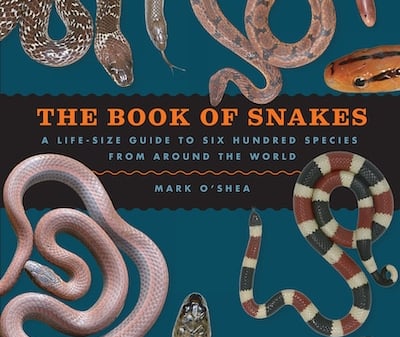
The World’s Snakes: Mark O’Shea’s “The Book of Snakes”

midtoad.org – Mark O’Shea, a renowned herpetologist and snake expert, offers readers a breathtaking journey into the world of snakes with his book, “The Book of Snakes: A Life-Size Guide to Six Hundred Species from Around the World.” This remarkable guide is a comprehensive and visually stunning compilation that showcases the diversity and beauty of these often misunderstood creatures. In this article, we will explore the unique features and contributions of O’Shea’s work to the field of herpetology and the general appreciation of snakes.

A Visual Masterpiece

One of the standout features of “The Book of Snakes” is its visual presentation. The book includes life-size photographs of 600 snake species, providing readers with an unparalleled view of these animals in their natural splendor. Each species is depicted with high-quality images that capture the intricate details of their scales, colors, and patterns, allowing readers to appreciate the diversity and adaptations of snakes from around the world.

Comprehensive Species Coverage

O’Shea’s guide is notable for its extensive coverage of snake species. The book profiles 600 species, which is nearly one-sixth of all known snake species worldwide. This breadth of information makes it an invaluable resource for both herpetologists and snake enthusiasts, offering insights into the behavior, habitat, and distribution of snakes across different geographical regions.

Educational and Accessible Content

While the book is a visual delight, it is also rich in educational content. O’Shea provides informative profiles for each species, written in an accessible style that caters to both experts and laypersons. These profiles include essential information about the snakes’ natural history, behavior, and conservation status, making the book a useful tool for education and awareness.

Promoting Conservation and Understanding

“The Book of Snakes” is not only a celebration of snake diversity but also a call to action for their conservation. By highlighting the beauty and ecological importance of snakes, O’Shea encourages readers to reconsider their perceptions of these often-feared creatures. The book aims to foster a greater understanding and appreciation for snakes, ultimately supporting efforts to protect their habitats and ensure their survival.

Conclusion

Mark O’Shea’s “The Book of Snakes” is a significant contribution to the world of natural history literature. With its combination of stunning visuals and comprehensive information, the book serves as both a reference guide and a source of inspiration for snake lovers and conservationists alike. It invites readers to explore the fascinating world of snakes and challenges them to appreciate the vital role these creatures play in our ecosystems.