The Hedgehog: A Spiny Marvel of the Animal Kingdom

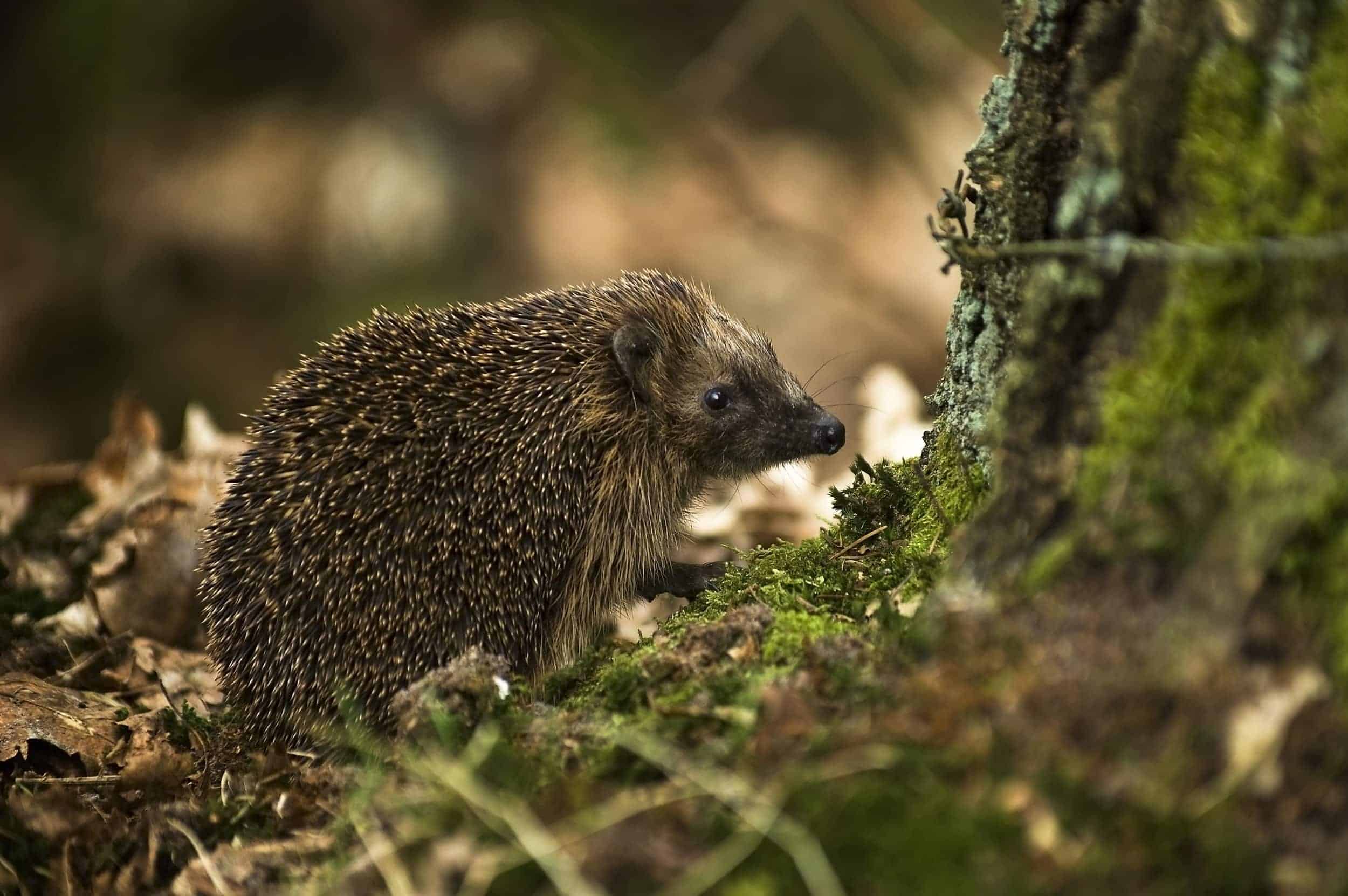
midtoad.org – Hedgehogs are small, nocturnal mammals known for their distinctive spiny coats and adorable, rounded bodies. These charming creatures, belonging to the family Erinaceidae, have been captivating the hearts of people around the world for centuries. Although often associated with European gardens, hedgehogs are found across Europe, Asia, and parts of Africa. Their unique features and fascinating behavior make them one of the most beloved and intriguing animals in the wild.

Physical Characteristics

Hedgehogs are easily recognizable by their spiny exterior. Their bodies are covered with stiff, sharp quills made from keratin, which serve as a defense mechanism against predators. These quills, which can be up to 3 centimeters (1.2 inches) long, are not venomous but are highly effective at deterring threats. When a hedgehog feels threatened, it curls into a tight ball, causing the quills to stand on end, creating a near-impenetrable shield.

The rest of their body is covered in soft fur, and they have a small, pointed snout and short legs. Hedgehogs typically measure 15 to 30 centimeters (6 to 12 inches) in length and weigh between 0.5 and 1.2 kilograms (1.1 to 2.6 pounds), though their size can vary by species.

Habitat and Distribution

Hedgehogs are found in a wide range of habitats, from woodlands and grasslands to urban gardens. While some species live in forests, others prefer rural areas or areas with dense vegetation. Their adaptability has allowed them to thrive in diverse environments, including suburban areas, where they often take shelter under hedges, piles of leaves, or garden sheds.

The most well-known hedgehog species is the European Hedgehog (Erinaceus europaeus), but there are several other species found in different regions. For example, the North African Hedgehog (Atelerix algirus) and the Chinese Hedgehog (Paraechinus sinensis) have slightly different habits and ecological preferences.

Diet and Behavior

Hedgehogs are omnivorous and have a diverse diet. They are primarily insectivores, feeding on a variety of invertebrates such as beetles, caterpillars, and worms. However, they are opportunistic feeders and will also eat small vertebrates, fruits, and fungi when available. Their sharp sense of smell helps them find food during their nocturnal foraging sessions.

Hedgehogs are solitary animals and generally only come together to mate. They are excellent swimmers and can even climb small fences or obstacles in search of food or mates. They are most active at night, using their keen sense of smell and hearing to navigate and forage in the dark.

Reproduction and Lifespan

Hedgehogs typically breed once a year, with the mating season occurring in the spring. The female gives birth to a litter of 4 to 7 young after a gestation period of around 35 days. Hedgehog babies, called hoglets, are born blind and hairless, but they quickly develop a covering of soft spines that gradually harden as they grow.

The lifespan of a hedgehog in the wild is usually between 3 to 5 years, though they can live longer in captivity with proper care. Unfortunately, many hedgehogs face threats from predators and human activities, which can limit their life expectancy.

Hibernation: A Survival Strategy

One of the most remarkable features of hedgehogs is their ability to hibernate during the winter months. In colder climates, hedgehogs enter a state of torpor, where their body temperature drops, and they slow their metabolism to conserve energy. They typically hibernate from late autumn to early spring, retreating to a burrow or sheltered area for the duration of the cold season.

Hibernation is essential for their survival, as it allows them to survive the scarcity of food during winter. However, climate change and disturbances in their habitats can disrupt hibernation patterns, posing a risk to their populations.

Conservation Status

Hedgehogs, particularly the European Hedgehog, are facing numerous threats, including habitat loss, road traffic, and pesticide use. The decline in garden habitats and the fragmentation of their natural environment have made it increasingly difficult for hedgehogs to find sufficient food and shelter. Hedgehogs are also at risk from domestic pets, particularly cats and dogs, as well as from a growing number of vehicles on roads.

Conservation efforts are underway in many regions to protect hedgehog populations. Wildlife organizations promote creating hedgehog-friendly gardens, avoiding the use of harmful chemicals, and installing hedgehog crossings on busy roads. These measures help to create safer environments for hedgehogs and ensure that their populations remain stable.

Conclusion

Hedgehogs are fascinating creatures, with their endearing appearance, unique behaviors, and vital ecological role. These spiny little mammals remind us of the importance of preserving biodiversity and the natural habitats that sustain life. While challenges remain in ensuring their long-term survival, hedgehogs continue to charm and inspire people around the world, highlighting the need for greater environmental awareness and conservation efforts.
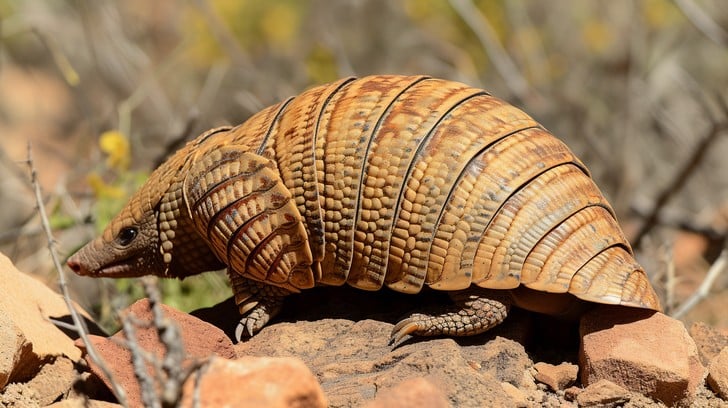
Armadillo: Nature’s Armor-Clad Creature

midtoad.org – The armadillo, a small mammal known for its unique armored shell, is one of the most fascinating animals in the animal kingdom. Native to the Americas, particularly Central and South America, the armadillo has adapted remarkably to various environments, from rainforests to grasslands. Its name, derived from the Spanish word “armado,” meaning “armed one,” reflects the creature’s distinctive protective covering, which is made of bony plates that provide defense against predators.

Physical Characteristics and Adaptations

Armadillos are easily recognized by their hard, shell-like exterior, which they use as protection. The shell, composed of overlapping bands of bone covered by a tough skin, gives the animal flexibility and allows some species to roll into a ball when threatened. This defense mechanism is particularly prominent in the three-banded armadillo species, while others rely on burrowing to evade danger.

These creatures have small to medium-sized bodies, sharp claws, and long snouts that help them forage for food. Armadillos primarily feed on insects, such as ants and termites, but their diets also include fruits, small vertebrates, and plants. Their keen sense of smell and strong digging abilities allow them to access food sources buried underground.

Species and Habitat

There are around 21 known species of armadillo, with the most famous being the nine-banded armadillo. This species is found as far north as the southern United States, particularly in Texas, where it is a well-known symbol of the region. Other species, such as the giant armadillo and the pink fairy armadillo, are native to South America.

Armadillos thrive in warm, humid environments, though their adaptability allows them to inhabit a variety of terrains, including forests, grasslands, and even semi-deserts. These nocturnal animals spend much of their time burrowing, either to escape the heat of the day or to search for food. Their burrows are often complex, with multiple chambers and entrances.

Reproduction and Behavior

Armadillos are solitary animals, typically only coming together during the mating season. After a gestation period of about 120 days, female armadillos give birth to one to 12 offspring, depending on the species. In a remarkable reproductive phenomenon called “delayed implantation,” some species of armadillos can delay the development of the fertilized egg, ensuring that the young are born during more favorable conditions.

Young armadillos are born with soft shells that harden as they grow older. They stay with their mother for a few months before venturing out on their own.

Conservation Status

While many armadillo species are abundant and not considered endangered, certain species, like the giant armadillo, face threats from habitat destruction and hunting. Deforestation, in particular, poses a significant risk to their natural habitats. Conservation efforts are ongoing to protect these unique creatures and their ecosystems.

Conclusion

The armadillo’s remarkable armor and burrowing behavior make it a standout member of the mammalian world. Whether it’s rolling into a protective ball or digging deep into the earth, the armadillo has adapted in fascinating ways to survive in its environment. With ongoing conservation efforts, these resilient creatures will continue to roam the Americas, captivating animal enthusiasts with their armored appearance and unique lifestyle.

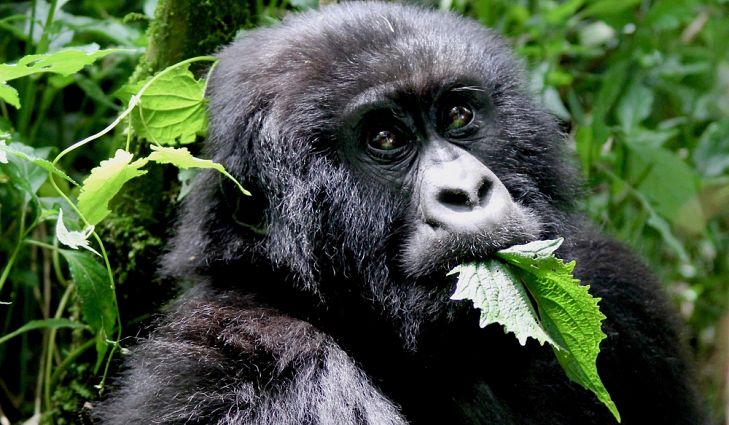
The Diet of Gorillas: A Plant-Rich Feast

midtoad.org – Gorillas, the largest of the great apes, are primarily herbivores, with a diet that reflects their natural habitats in the tropical rainforests and lowlands of Africa. These intelligent primates spend much of their day foraging for a variety of plant-based foods. While different gorilla species may have some variations in their diets due to regional differences, the core of their nutrition remains largely similar.

1. Leaves: The Main Course

Leaves are a significant part of a gorilla’s diet, especially for lowland and mountain gorillas. They consume large quantities of leaves from plants, trees, and shrubs. Leaves are rich in fiber, vitamins, and minerals, providing essential nutrients needed to sustain their large bodies. Gorillas’ powerful jaws help them chew through fibrous leaves efficiently.

2. Fruits: A Sweet Supplement

When available, fruit is a favorite food of gorillas, especially for lowland species. Gorillas are known to forage for fruits such as bananas, figs, and berries. Fruits provide a rich source of sugars and vitamins, giving them a quick energy boost. However, fruit availability can be seasonal, so gorillas may shift their diet to other sources when fruit is scarce.

3. Bark and Stems: Tough but Nutritious

In addition to leaves and fruits, gorillas feed on tree bark and stems. These parts of plants are tougher but are rich in fiber and minerals, which are vital for the gorilla’s health. Bark becomes an essential food source, especially during the dry season when fruits and tender leaves may be harder to find.

4. Shoots and Roots: Digging for Delicacies

Gorillas also enjoy the tender shoots of bamboo and other plants, which are easy to digest and packed with nutrients. In some areas, gorillas will dig up roots and tubers to supplement their diet. These underground plant parts are rich in starches and provide additional calories.

5. Flowers: A Seasonal Treat

Gorillas occasionally eat flowers, especially during certain seasons when they are in bloom. Flowers can offer a different flavor and nutritional profile, including sugars and proteins, making them a treat when available.

6. Insects: Occasional Protein

While gorillas are primarily herbivorous, they do consume small amounts of insects such as termites and ants. These insects provide a source of protein, though they make up only a small fraction of their overall diet. Gorillas use sticks to fish for termites, showing their intelligence and tool-use behavior.

7. Diet Variations Among Species

While all gorillas share a largely plant-based diet, there are variations among different species and subspecies:

  • Mountain Gorillas: Mountain gorillas live in cooler, high-altitude environments and consume a higher proportion of leaves, stems, and bark, as fruits are less abundant in their habitat.
  • Western Lowland Gorillas: These gorillas have access to more fruits due to their rainforest environment, and fruits make up a larger portion of their diet compared to mountain gorillas.
  • Eastern Lowland Gorillas: Similar to mountain gorillas, eastern lowland gorillas rely more on leaves, stems, and bark, though they also eat fruits when available.

8. Daily Food Intake and Foraging Habits

A gorilla can consume up to 20 kilograms (44 pounds) of food per day. They spend several hours foraging for food, moving through their forest home in search of edible plants, fruits, and bark. Their large size and active lifestyle require a constant intake of high-fiber, nutritious foods.

9. Water Needs

Gorillas do not typically need to drink a lot of water, as their diet provides them with sufficient hydration. The leaves, fruits, and shoots they consume contain a high percentage of water, which helps keep them hydrated.

Conclusion

Gorillas thrive on a varied, plant-rich diet that includes leaves, fruits, bark, stems, and occasionally insects. Their diet reflects the rich biodiversity of their forest habitats, and they are well-adapted to extract the necessary nutrients from the tough, fibrous plant material they consume. Protecting these habitats is crucial to ensuring that gorillas continue to have access to their natural food sources.

The Fin Whale: The Ocean’s Swift Giant

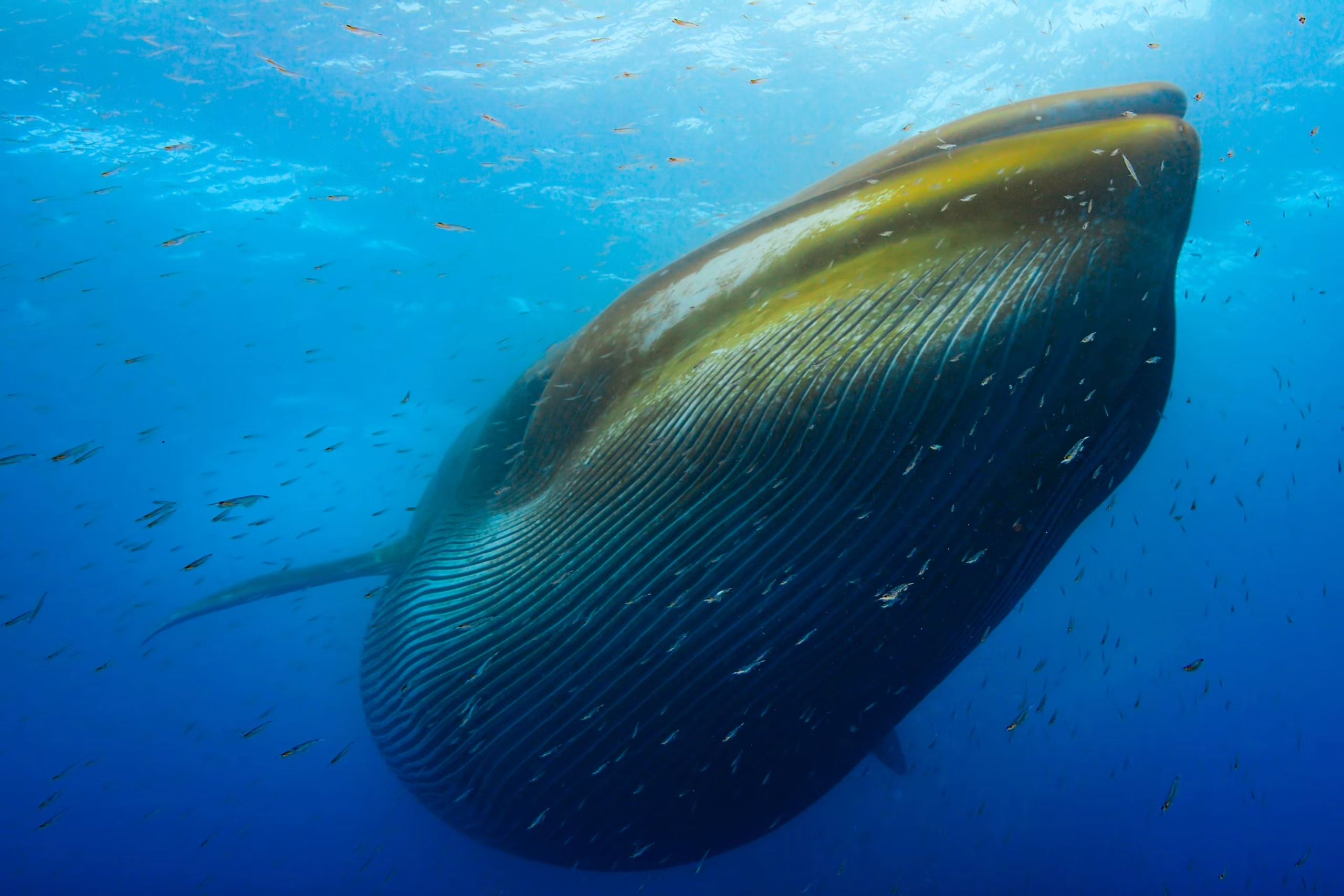
midtoad.org – The fin whale (Balaenoptera physalus), often called the “greyhound of the sea,” is the second-largest animal on Earth, surpassed only by the blue whale. Known for its remarkable speed and sleek, streamlined body, the fin whale is an awe-inspiring marine mammal. These gentle giants are found in oceans worldwide, and their grace and size make them one of the most magnificent creatures in the animal kingdom.

Physical Characteristics

Fin whales are truly enormous, with adults reaching lengths of 75 to 85 feet and weighing between 40 and 80 tons. Some individuals can even grow up to 90 feet long, making them one of the largest animals ever to have lived. Their bodies are long and slender, which contributes to their speed in the water.

One of the fin whale’s most distinctive features is the asymmetrical coloring of its head. The right side of the lower jaw is white, while the left side is dark, a unique trait not found in any other baleen whale. Their sleek, dark gray or brownish-gray bodies often have lighter patches, and their undersides are lighter in color, helping them blend with the ocean’s surface when seen from below.

Like other baleen whales, fin whales have baleen plates instead of teeth, which they use to filter feed on small organisms. They also have a prominent dorsal fin, located two-thirds of the way down their back, which is often visible when they surface to breathe.

Habitat and Range

Fin whales are found in oceans around the world, from polar waters to tropical regions, though they are most common in temperate and polar seas. They are highly migratory, traveling great distances between their summer feeding grounds in colder waters and their winter breeding areas in warmer seas.

These whales prefer deep offshore waters and are rarely seen close to shore. However, they are occasionally spotted near the coasts, especially during migration. Their widespread distribution makes them one of the most globally dispersed whale species.

Feeding Behavior and Diet

Fin whales are filter feeders, primarily consuming krill, small fish, and other tiny marine organisms. They feed by swimming through large schools of prey with their mouths open, taking in huge quantities of water and food. They then use their baleen plates to strain the water out, trapping the prey inside their mouths.

Fin whales are known to be fast swimmers, capable of reaching speeds of up to 25 miles per hour. This speed allows them to pursue prey and makes them one of the fastest large whale species in the ocean. They often feed cooperatively, using a technique known as “lunge feeding,” where they accelerate toward a school of prey and engulf them in one swift motion.

During the summer months, fin whales feed heavily in nutrient-rich waters, building up fat reserves that sustain them during their long migrations when food is less abundant.

Social Structure and Behavior

Fin whales are typically solitary or travel in small groups, usually consisting of two to seven individuals. However, during feeding or migration, larger groups may form. They are less social than some other whale species, such as humpbacks or dolphins, but they are known to communicate with each other using low-frequency vocalizations that can travel over long distances underwater.

These vocalizations are primarily used during the breeding season, when males produce loud, rhythmic calls to attract mates. The songs of fin whales are among the loudest sounds produced by any animal on Earth, and they can be heard for hundreds of miles in the deep ocean.

Fin whales are also known for their incredible breaching behavior, where they leap out of the water, showcasing their immense size and strength. Although they are not as acrobatic as some other whale species, their breaching is a rare and awe-inspiring sight.

Longevity and Reproduction

Fin whales have a long lifespan, with many individuals living for 80 to 90 years. They reach sexual maturity around 6 to 12 years of age. Females give birth to a single calf every 2 to 3 years after a gestation period of about 11 to 12 months. Calves are born in warmer, subtropical waters, where they remain with their mothers for several months before embarking on long migrations to feeding grounds.

Newborn calves are around 20 feet long at birth and weigh approximately 4,500 pounds. They are nursed for about 6 to 7 months, during which time they grow rapidly, gaining strength and size to prepare for the colder waters of the feeding grounds.

Conservation Status and Threats

Historically, fin whales were heavily hunted during the 19th and 20th centuries, primarily for their oil, meat, and baleen. Commercial whaling drastically reduced their populations, with hundreds of thousands of fin whales being killed during this period. As a result, fin whales are still listed as “Vulnerable” on the International Union for Conservation of Nature (IUCN) Red List, although their numbers have started to recover since the international moratorium on commercial whaling in 1986.

Today, fin whales face new threats, including ship strikes, entanglement in fishing gear, and noise pollution from shipping and industrial activities. Climate change also poses a significant threat to their habitat, as it alters the distribution of their prey and the conditions of the oceans they inhabit.

Conservation efforts, including protected marine areas and international agreements to limit human activities in whale habitats, are essential to ensuring the long-term survival of the species.

Importance to Ecosystems

As one of the largest animals in the ocean, fin whales play a crucial role in marine ecosystems. By consuming vast quantities of prey, they help regulate the populations of small fish and krill, maintaining the balance of the food web. Their large bodies also provide important nutrients to deep-sea ecosystems when they die, as their carcasses sink to the ocean floor, supporting a variety of deep-sea organisms.

Conclusion

The fin whale is a remarkable marine mammal, known for its speed, grace, and immense size. Despite the challenges it has faced due to human activity, the species is making a slow recovery thanks to international conservation efforts. As one of the ocean’s most awe-inspiring creatures, the fin whale remains a symbol of the majesty and mystery of the deep sea. Ensuring its protection is essential for maintaining the health and balance of the marine ecosystems it inhabits.

The Antarctic Blue Whale: A Gentle Giant of the Southern Ocean

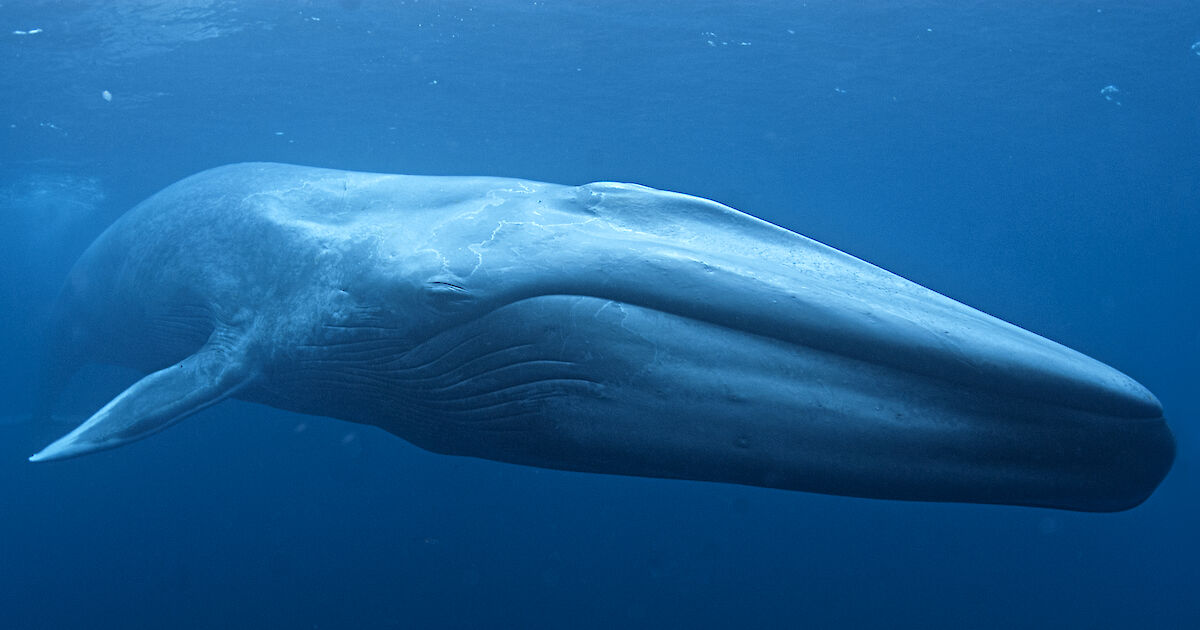
midtoad.org – The Antarctic blue whale (Balaenoptera musculus intermedia) is not only the largest animal on Earth but also one of the most awe-inspiring creatures to have ever existed. These gentle giants roam the vast Southern Ocean, their immense bodies gliding through the frigid waters.   

Physical Attributes

  • Size: Antarctic blue whales can reach staggering lengths of over 100 feet (30 meters) and weigh upwards of 200 tons. Their sheer size is almost incomprehensible, dwarfing even the largest dinosaurs.   
  • Coloration: Their skin is a mottled blue-gray, which appears almost luminous underwater. This coloration provides camouflage in the vast, open ocean.   
  • Baleen: Like other baleen whales, Antarctic blue whales have a series of baleen plates in their mouths, which they use to filter krill, their primary food source.   

A Life in the Southern Ocean

  • Migration: Antarctic blue whales are migratory animals, spending their summers in the nutrient-rich waters of the Southern Ocean, where they feed voraciously on krill. As winter approaches, they migrate to warmer waters to breed and give birth.   
  • Feeding: These whales are filter feeders, consuming vast quantities of krill in a single feeding session. They can consume up to 4 tons of krill per day!   
  • Vocalizations: Blue whales are known for their incredibly loud and low-frequency calls, which can travel for hundreds of miles underwater. These calls are used for communication, mating, and navigating.   

A Troubled History

In the 20th century, Antarctic blue whales were the target of intensive whaling, which decimated their populations. Fortunately, international whaling regulations have helped to protect these magnificent creatures. However, they still face numerous threats, including climate change, pollution, and ship strikes.   

Conservation Efforts

To ensure the survival of Antarctic blue whales, several conservation efforts are underway:

  • International Whaling Commission (IWC): The IWC has implemented strict regulations on whaling, which has helped to reduce the threat of hunting.
  • Marine Protected Areas (MPAs): Establishing MPAs in critical habitats can help to protect blue whales and their prey.   
  • Research and Monitoring: Ongoing research and monitoring efforts are essential to understanding the ecology and behavior of Antarctic blue whales and to inform conservation strategies.   

A Hope for the Future

While the future of Antarctic blue whales remains uncertain, there is hope. By continuing to protect these gentle giants and their habitat, we can ensure that they will continue to roam the Southern Ocean for generations to come.

The Unsung Heroes of the Soil: The Diverse World of Worms

midtoad.org – The term “worm” encompasses a diverse array of elongated, limbless invertebrates found in various habitats worldwide. From the familiar earthworm to microscopic nematodes, these creatures play crucial roles in ecosystems, contributing to decomposition, nutrient cycling, and soil health. While some worms are parasitic, the vast majority are beneficial. This article explores the diverse world of worms, delving into their various phyla, unique characteristics, ecological significance, and interactions with humans.  

A Diverse Grouping: Not a Single Taxonomic Category

“Worm” is not a formal taxonomic classification but rather a general term applied to several unrelated invertebrate groups. The three main phyla commonly referred to as worms are:   

  • Annelida (Segmented Worms): Characterized by segmented bodies, including earthworms, leeches, and marine worms.   
  • Nematoda (Roundworms): Cylindrical, unsegmented worms, including free-living and parasitic species.   
  • Platyhelminthes (Flatworms): Flat, ribbon-like worms, including free-living planarians and parasitic tapeworms and flukes.   

Other groups sometimes referred to as worms include:

  • Nemertea (Ribbon Worms): Long, unsegmented worms, mostly marine.   
  • Acanthocephala (Spiny-headed Worms): Parasitic worms with a spiny proboscis.   

Annelida: The Segmented Wonders

Annelids are characterized by their segmented bodies, which allow for greater flexibility and movement. Key features include:   

  • Segmentation: The body is divided into repeating segments, each with its own set of organs.   
  • Setae (Bristles): Small, hair-like structures used for locomotion and anchoring.   
  • Closed Circulatory System: Blood is contained within vessels.   
  • Examples: Earthworms, leeches, polychaetes (marine worms).   

Nematoda: The Ubiquitous Roundworms

Nematodes are incredibly abundant and diverse, found in nearly every habitat on Earth. Key features include:   

  • Cylindrical Body: Tapered at both ends.
  • Pseudocoelom: A fluid-filled body cavity that provides support and aids in nutrient transport.   
  • Cuticle: A tough outer layer that protects the worm.   
  • Examples: Free-living soil nematodes, parasitic nematodes like hookworms and pinworms.   

Platyhelminthes: The Flat and Simple Worms

Platyhelminthes are characterized by their flat, unsegmented bodies. Key features include:   

  • Flat Body: Giving them a high surface area to volume ratio for gas exchange.
  • No Body Cavity: Lacking a coelom or pseudocoelom.
  • Simple Nervous System: With a nerve net and simple brain.   
  • Examples: Planarians (free-living), tapeworms and flukes (parasitic).   

Ecological Roles: Essential for Ecosystem Function

Worms play crucial roles in various ecosystems:

  • Decomposition and Nutrient Cycling: Earthworms and other detritivores break down organic matter, releasing nutrients back into the soil.   
  • Soil Health: Earthworm burrowing improves soil aeration, drainage, and structure.   
  • Food Source for Other Animals: Worms serve as prey for various predators, such as birds, amphibians, and mammals.
  • Parasites: Some worms are parasites, playing a role in regulating host populations.   

Worms and Humans: A Complex Relationship

The relationship between humans and worms is complex:

  • Beneficial in Agriculture: Earthworms are highly beneficial for soil health and agriculture.   
  • Pests in Gardens: Some nematodes can be plant pests, damaging crops.   
  • Parasites of Humans and Animals: Several worm species are parasites of humans and animals, causing various diseases.   
  • Use in Research: Certain worm species, such as Caenorhabditis elegans, are important model organisms in biological research.   

Conservation Status and Threats: Varies Depending on the Species

The conservation status of worms varies greatly depending on the species and group:

  • Habitat Loss and Degradation: Habitat destruction can negatively impact worm populations.
  • Pollution: Pollution can contaminate soil and water, harming worms.   
  • Climate Change: Changes in temperature and rainfall patterns can affect worm distribution and survival.   

Conclusion: Recognizing the Importance of Worms

Worms, despite their simple appearance, are a diverse and essential part of the natural world. From their role in decomposition and nutrient cycling to their impact on human health and agriculture, these often-overlooked creatures play a significant role in our world. By understanding their unique characteristics and ecological importance, we can better appreciate their contribution to the health and balance of our planet.

The World’s Snakes: Mark O’Shea’s “The Book of Snakes”

midtoad.org – Mark O’Shea, a renowned herpetologist and snake expert, offers readers a breathtaking journey into the world of snakes with his book, “The Book of Snakes: A Life-Size Guide to Six Hundred Species from Around the World.” This remarkable guide is a comprehensive and visually stunning compilation that showcases the diversity and beauty of these often misunderstood creatures. In this article, we will explore the unique features and contributions of O’Shea’s work to the field of herpetology and the general appreciation of snakes.

A Visual Masterpiece

One of the standout features of “The Book of Snakes” is its visual presentation. The book includes life-size photographs of 600 snake species, providing readers with an unparalleled view of these animals in their natural splendor. Each species is depicted with high-quality images that capture the intricate details of their scales, colors, and patterns, allowing readers to appreciate the diversity and adaptations of snakes from around the world.

Comprehensive Species Coverage

O’Shea’s guide is notable for its extensive coverage of snake species. The book profiles 600 species, which is nearly one-sixth of all known snake species worldwide. This breadth of information makes it an invaluable resource for both herpetologists and snake enthusiasts, offering insights into the behavior, habitat, and distribution of snakes across different geographical regions.

Educational and Accessible Content

While the book is a visual delight, it is also rich in educational content. O’Shea provides informative profiles for each species, written in an accessible style that caters to both experts and laypersons. These profiles include essential information about the snakes’ natural history, behavior, and conservation status, making the book a useful tool for education and awareness.

Promoting Conservation and Understanding

“The Book of Snakes” is not only a celebration of snake diversity but also a call to action for their conservation. By highlighting the beauty and ecological importance of snakes, O’Shea encourages readers to reconsider their perceptions of these often-feared creatures. The book aims to foster a greater understanding and appreciation for snakes, ultimately supporting efforts to protect their habitats and ensure their survival.

Conclusion

Mark O’Shea’s “The Book of Snakes” is a significant contribution to the world of natural history literature. With its combination of stunning visuals and comprehensive information, the book serves as both a reference guide and a source of inspiration for snake lovers and conservationists alike. It invites readers to explore the fascinating world of snakes and challenges them to appreciate the vital role these creatures play in our ecosystems.

Speeding Through the Plains: The Agile Cheetah

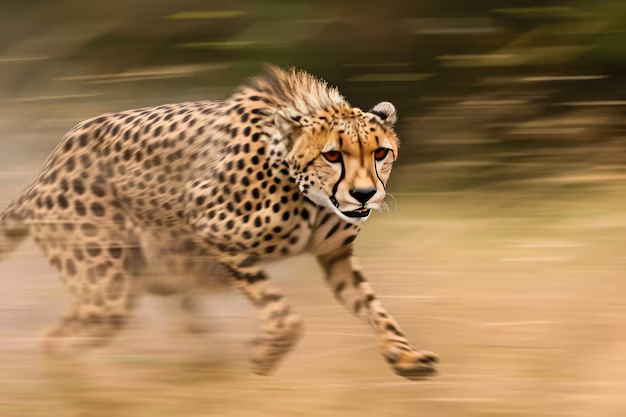
midtoad.org – The cheetah, Acinonyx jubatus, is a marvel of nature, renowned for its incredible speed and agility. As the fastest land animal, capable of reaching speeds up to 75 miles per hour (120 kilometers per hour) in just a few seconds, the cheetah is a testament to the evolutionary perfection of the predator-prey dynamic. This article delves into the life of the agile cheetah, exploring its unique adaptations, hunting techniques, and the challenges it faces in the wild.

Unique Adaptations for Speed

The cheetah’s body is a masterpiece of evolution, designed for maximum speed and agility. Its long, slender body and small head reduce air resistance, while its long legs and oversized paws provide traction and stability at high speeds. The cheetah’s tail acts as a rudder, helping it to make sharp turns without losing balance. Additionally, its lightweight, flexible spine allows for the powerful strides necessary to accelerate quickly.

Hunting Techniques

The cheetah’s hunting strategy is a blend of stealth and speed. It stalks its prey, using the tall grasses of the savanna for cover, until it is within 60 to 70 yards (55 to 65 meters) of its target. Then, it explodes into action, sprinting towards its prey at top speed. The cheetah’s ability to accelerate so rapidly catches its prey off guard, giving the cheetah a crucial advantage. However, the cheetah’s speed comes at a cost; it can only maintain its top speed for about 20 to 30 seconds before it must rest. This means that if the cheetah fails to catch its prey within this time frame, it must wait and try again later.

Challenges Facing the Cheetah

Despite its incredible abilities, the cheetah faces numerous challenges in the wild. Habitat loss, human-wildlife conflict, and poaching are significant threats to cheetah populations. Additionally, the cheetah’s reliance on speed and agility makes it particularly vulnerable to injuries that can impair its ability to hunt effectively. Conservation efforts are crucial to protecting the cheetah’s habitat and ensuring the survival of this remarkable species.

Conclusion

The agile cheetah is a symbol of the relentless pursuit of survival in the wild. Its unique adaptations and hunting techniques have made it one of the most fascinating predators on the planet. As we continue to learn from and admire the cheetah, it is our responsibility to protect this species and the ecosystems it depends on. By doing so, we can ensure that the cheetah will continue to speed through the plains for generations to come.