
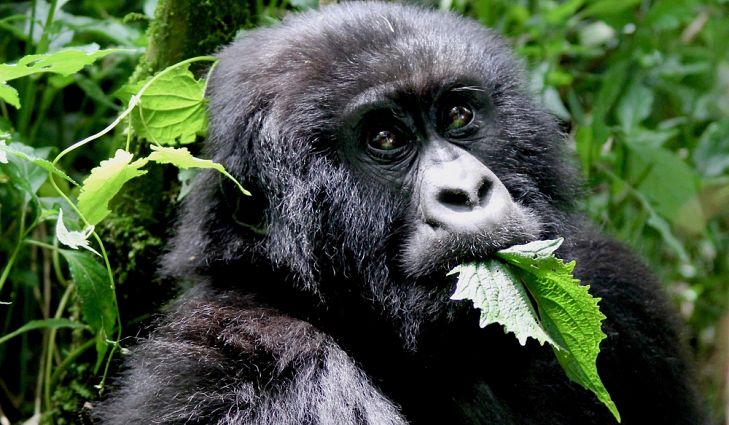
midtoad.org – Gorillas, the largest of the great apes, are primarily herbivores, with a diet that reflects their natural habitats in the tropical rainforests and lowlands of Africa. These intelligent primates spend much of their day foraging for a variety of plant-based foods. While different gorilla species may have some variations in their diets due to regional differences, the core of their nutrition remains largely similar.
1. Leaves: The Main Course
Leaves are a significant part of a gorilla’s diet, especially for lowland and mountain gorillas. They consume large quantities of leaves from plants, trees, and shrubs. Leaves are rich in fiber, vitamins, and minerals, providing essential nutrients needed to sustain their large bodies. Gorillas’ powerful jaws help them chew through fibrous leaves efficiently.
2. Fruits: A Sweet Supplement
When available, fruit is a favorite food of gorillas, especially for lowland species. Gorillas are known to forage for fruits such as bananas, figs, and berries. Fruits provide a rich source of sugars and vitamins, giving them a quick energy boost. However, fruit availability can be seasonal, so gorillas may shift their diet to other sources when fruit is scarce.
3. Bark and Stems: Tough but Nutritious
In addition to leaves and fruits, gorillas feed on tree bark and stems. These parts of plants are tougher but are rich in fiber and minerals, which are vital for the gorilla’s health. Bark becomes an essential food source, especially during the dry season when fruits and tender leaves may be harder to find.
4. Shoots and Roots: Digging for Delicacies
Gorillas also enjoy the tender shoots of bamboo and other plants, which are easy to digest and packed with nutrients. In some areas, gorillas will dig up roots and tubers to supplement their diet. These underground plant parts are rich in starches and provide additional calories.
5. Flowers: A Seasonal Treat
Gorillas occasionally eat flowers, especially during certain seasons when they are in bloom. Flowers can offer a different flavor and nutritional profile, including sugars and proteins, making them a treat when available.
6. Insects: Occasional Protein
While gorillas are primarily herbivorous, they do consume small amounts of insects such as termites and ants. These insects provide a source of protein, though they make up only a small fraction of their overall diet. Gorillas use sticks to fish for termites, showing their intelligence and tool-use behavior.
7. Diet Variations Among Species
While all gorillas share a largely plant-based diet, there are variations among different species and subspecies:
- Mountain Gorillas: Mountain gorillas live in cooler, high-altitude environments and consume a higher proportion of leaves, stems, and bark, as fruits are less abundant in their habitat.
- Western Lowland Gorillas: These gorillas have access to more fruits due to their rainforest environment, and fruits make up a larger portion of their diet compared to mountain gorillas.
- Eastern Lowland Gorillas: Similar to mountain gorillas, eastern lowland gorillas rely more on leaves, stems, and bark, though they also eat fruits when available.
8. Daily Food Intake and Foraging Habits
A gorilla can consume up to 20 kilograms (44 pounds) of food per day. They spend several hours foraging for food, moving through their forest home in search of edible plants, fruits, and bark. Their large size and active lifestyle require a constant intake of high-fiber, nutritious foods.
9. Water Needs
Gorillas do not typically need to drink a lot of water, as their diet provides them with sufficient hydration. The leaves, fruits, and shoots they consume contain a high percentage of water, which helps keep them hydrated.
Conclusion
Gorillas thrive on a varied, plant-rich diet that includes leaves, fruits, bark, stems, and occasionally insects. Their diet reflects the rich biodiversity of their forest habitats, and they are well-adapted to extract the necessary nutrients from the tough, fibrous plant material they consume. Protecting these habitats is crucial to ensuring that gorillas continue to have access to their natural food sources.
