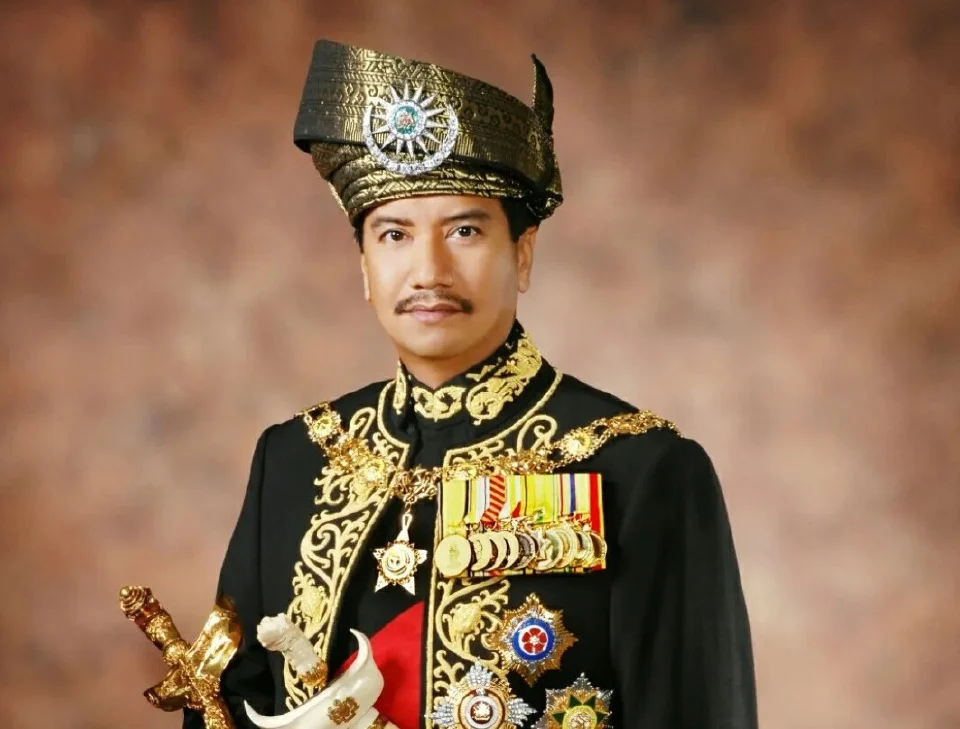
midtoad.org – Sultan Mizan Zainal Abidin of Terengganu served as the 13th Yang di-Pertuan Agong (King of Malaysia) from December 13, 2006, to December 12, 2011. As the head of state of Malaysia, Sultan Mizan’s reign was marked by his diplomatic presence, commitment to national unity, and advocacy for the promotion of Islam and traditional Malay values. His tenure also coincided with a period of political stability and economic development in the country. This article delves into his background, key contributions, and the major events during his time as the Yang di-Pertuan Agong.
Early Life and Ascension to the Throne
Sultan Mizan was born on January 22, 1962, in Kuala Terengganu, Malaysia. He is the son of Sultan Mahmud Al-Muktafi Billah Shah, the Sultan of Terengganu, and Tengku Ampuan Besar Tengku Aishah. As the eldest son, Sultan Mizan was groomed for leadership from a young age, and he underwent an extensive education, both locally and abroad. He studied at the Royal Military College in Sandhurst, the United Kingdom, before furthering his education in the fields of governance and leadership.
In 1998, Sultan Mizan succeeded his father as the Sultan of Terengganu, becoming the 16th Sultan of the state. He later ascended to the role of Yang di-Pertuan Agong after being elected by the Council of Rulers (Majlis Raja-Raja), a body made up of the nine hereditary Malay rulers. His appointment as the Yang di-Pertuan Agong was significant due to his youth and modern approach to leadership.
The Role of the Yang di-Pertuan Agong
As the Yang di-Pertuan Agong, Sultan Mizan Zainal Abidin held a largely ceremonial role as the constitutional monarch of Malaysia. His duties included representing the country in ceremonial functions, acting as the supreme head of Islam in Malaysia, and upholding the Constitution. While Malaysia operates as a parliamentary democracy with a Prime Minister as the head of government, the Yang di-Pertuan Agong plays a key role in the political and legal system.
The position of Yang di-Pertuan Agong rotates among the nine hereditary rulers every five years, and Sultan Mizan served a full term from 2006 to 2011. During his tenure, the monarch’s duties included the appointment of the Prime Minister, who must have the support of the majority in the Dewan Rakyat (House of Representatives), as well as the signing of bills into law after they have passed through Parliament.
Key Moments and Contributions
Diplomacy and International Relations
During Sultan Mizan’s reign, Malaysia continued to maintain strong relationships with countries both in Southeast Asia and around the world. The Yang di-Pertuan Agong played a vital role in representing Malaysia at various international events, including state visits and conferences. Sultan Mizan was also instrumental in fostering bilateral ties with other nations, promoting Malaysia as a moderate and progressive Islamic country on the global stage.
One of the highlights of his diplomatic efforts was his participation in meetings with heads of state from the Association of Southeast Asian Nations (ASEAN) and the Organisation of Islamic Cooperation (OIC). Sultan Mizan’s presence at these events helped bolster Malaysia’s position as an active and responsible member of international organizations.
Promoting Islam and Traditional Values
As the Supreme Head of Islam in Malaysia, Sultan Mizan used his platform to promote Islamic values and ensure that the practice of Islam remained central to the cultural identity of the nation. His support for Islamic education and the development of Islamic institutions was evident in various initiatives, including the establishment of the Sultan Mizan Royal Foundation, which aimed to enhance the quality of Islamic studies and charitable works in Malaysia.
Sultan Mizan also emphasized the importance of preserving traditional Malay culture and heritage during his reign. He participated in numerous cultural events, celebrating the diversity of Malaysia’s ethnic groups while promoting national unity. His involvement in the arts and culture was a reflection of his belief in the importance of fostering social harmony in a multi-ethnic society.
Humanitarian Work and Charity
Throughout his tenure as Yang di-Pertuan Agong, Sultan Mizan actively supported various charitable and humanitarian causes. His royal patronage helped raise awareness and funding for causes such as poverty alleviation, disaster relief, and health care for the underprivileged. His charitable endeavors also extended to supporting orphans, the elderly, and those affected by natural disasters.
One of the key highlights of Sultan Mizan’s humanitarian work was his participation in relief efforts during the devastating 2004 Indian Ocean earthquake and tsunami. The Sultan played a crucial role in mobilizing resources and encouraging Malaysians to contribute to the recovery of affected communities in Malaysia and neighboring countries.
Challenges During the Reign
While Sultan Mizan’s reign was largely peaceful and marked by national stability, his tenure was not without its challenges. One of the key challenges during his time as Yang di-Pertuan Agong was navigating the complex political landscape of Malaysia. As the country’s political environment was dominated by the Barisan Nasional (BN) coalition, Sultan Mizan played a role in ensuring the smooth functioning of the government while maintaining political neutrality.
In addition, Malaysia faced several internal issues, such as economic disparities, the rise of political opposition movements, and occasional tensions between ethnic and religious groups. Throughout these challenges, Sultan Mizan remained a stabilizing figure, emphasizing the need for dialogue, unity, and mutual respect among Malaysia’s diverse population.
Conclusion
Sultan Mizan Zainal Abidin’s reign as the Yang di-Pertuan Agong from 2006 to 2011 left a lasting impact on Malaysia’s political, cultural, and religious landscape. His commitment to diplomacy, the promotion of Islam, and the support of national unity were hallmarks of his leadership. While his role was primarily ceremonial, Sultan Mizan’s influence was felt through his dedication to charitable work, his advocacy for Malaysian values, and his support for the nation’s development.
As a constitutional monarch, Sultan Mizan’s tenure is remembered for its focus on maintaining the stability of Malaysia and ensuring that the traditions and institutions of the monarchy continued to adapt to the evolving needs of the country. His leadership during a period of national growth helped to solidify Malaysia’s position as a key player in Southeast Asia and beyond.