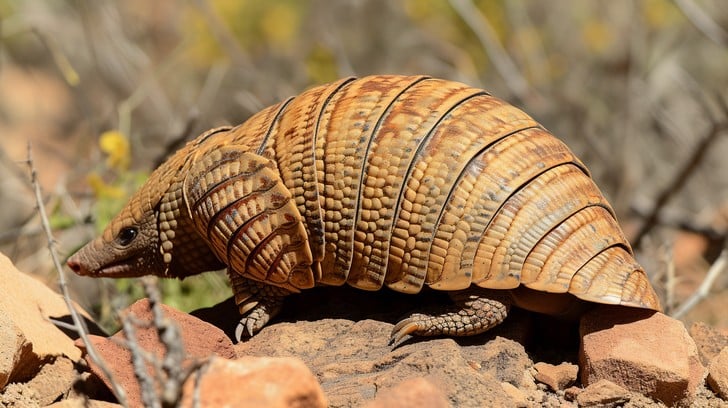
Armadillo: Nature’s Armor-Clad Creature

midtoad.org – The armadillo, a small mammal known for its unique armored shell, is one of the most fascinating animals in the animal kingdom. Native to the Americas, particularly Central and South America, the armadillo has adapted remarkably to various environments, from rainforests to grasslands. Its name, derived from the Spanish word “armado,” meaning “armed one,” reflects the creature’s distinctive protective covering, which is made of bony plates that provide defense against predators.

Physical Characteristics and Adaptations

Armadillos are easily recognized by their hard, shell-like exterior, which they use as protection. The shell, composed of overlapping bands of bone covered by a tough skin, gives the animal flexibility and allows some species to roll into a ball when threatened. This defense mechanism is particularly prominent in the three-banded armadillo species, while others rely on burrowing to evade danger.

These creatures have small to medium-sized bodies, sharp claws, and long snouts that help them forage for food. Armadillos primarily feed on insects, such as ants and termites, but their diets also include fruits, small vertebrates, and plants. Their keen sense of smell and strong digging abilities allow them to access food sources buried underground.

Species and Habitat

There are around 21 known species of armadillo, with the most famous being the nine-banded armadillo. This species is found as far north as the southern United States, particularly in Texas, where it is a well-known symbol of the region. Other species, such as the giant armadillo and the pink fairy armadillo, are native to South America.

Armadillos thrive in warm, humid environments, though their adaptability allows them to inhabit a variety of terrains, including forests, grasslands, and even semi-deserts. These nocturnal animals spend much of their time burrowing, either to escape the heat of the day or to search for food. Their burrows are often complex, with multiple chambers and entrances.

Reproduction and Behavior

Armadillos are solitary animals, typically only coming together during the mating season. After a gestation period of about 120 days, female armadillos give birth to one to 12 offspring, depending on the species. In a remarkable reproductive phenomenon called “delayed implantation,” some species of armadillos can delay the development of the fertilized egg, ensuring that the young are born during more favorable conditions.

Young armadillos are born with soft shells that harden as they grow older. They stay with their mother for a few months before venturing out on their own.

Conservation Status

While many armadillo species are abundant and not considered endangered, certain species, like the giant armadillo, face threats from habitat destruction and hunting. Deforestation, in particular, poses a significant risk to their natural habitats. Conservation efforts are ongoing to protect these unique creatures and their ecosystems.

Conclusion

The armadillo’s remarkable armor and burrowing behavior make it a standout member of the mammalian world. Whether it’s rolling into a protective ball or digging deep into the earth, the armadillo has adapted in fascinating ways to survive in its environment. With ongoing conservation efforts, these resilient creatures will continue to roam the Americas, captivating animal enthusiasts with their armored appearance and unique lifestyle.
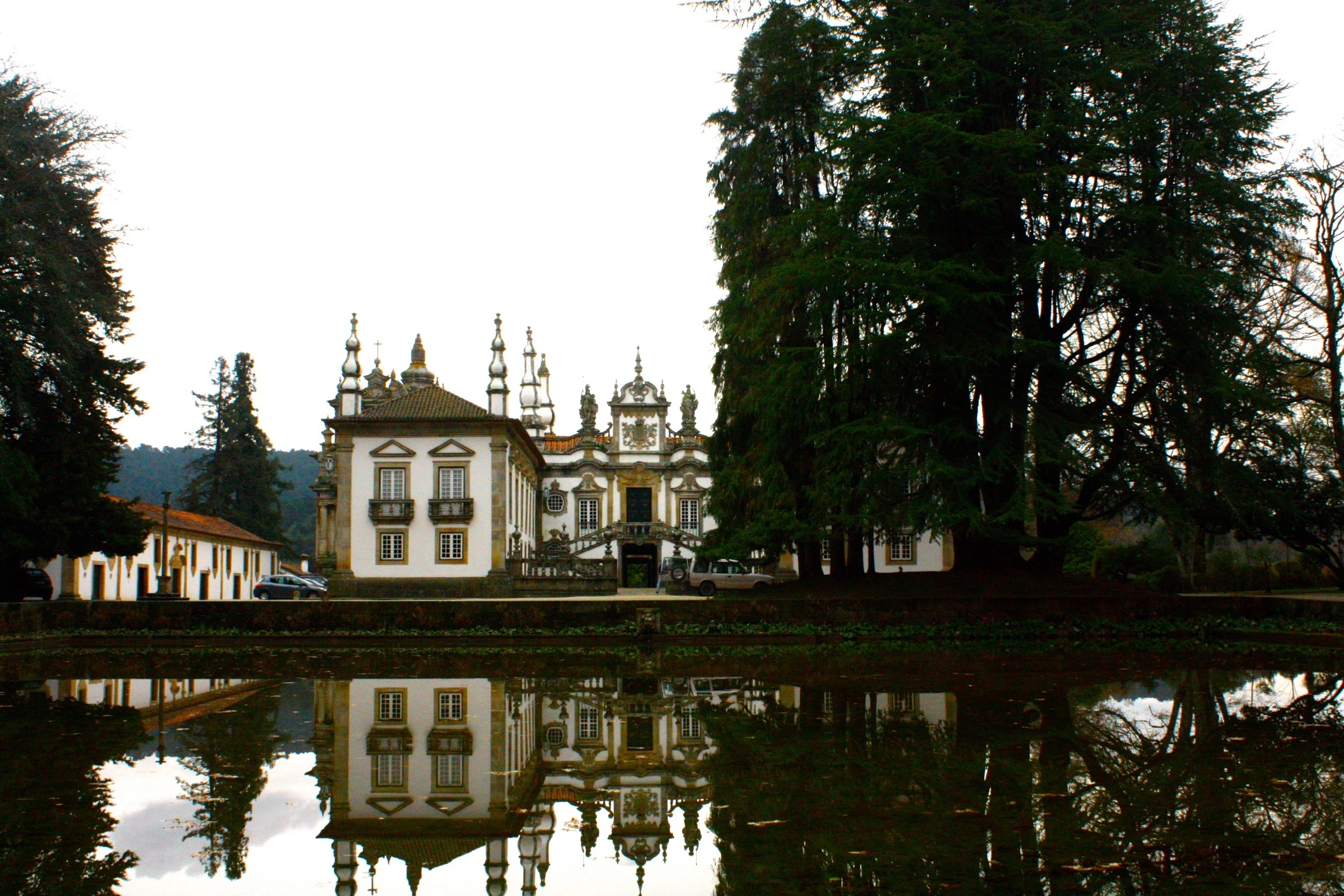
Vila Real: A Tapestry of History and Nature

midtoad.org – Vila Real, a charming city nestled in the heart of Portugal’s Trás-os-Montes region, offers a unique blend of history, culture, and natural beauty. With its medieval castle, picturesque streets, and stunning landscapes, Vila Real is a hidden gem waiting to be discovered.

A Glimpse into History

Vila Real’s history dates back to Roman times, when it was known as Abade. The city’s strategic location and rich cultural heritage have made it a significant player throughout the centuries. During the Middle Ages, Vila Real emerged as a powerful stronghold, and its imposing castle became a symbol of its strength and resilience.

Exploring Vila Real’s Historical Treasures

  • Vila Real Palace: This magnificent palace, built in the 18th century, is a stunning example of Baroque architecture. Its ornate interior, beautiful gardens, and impressive art collection make it a must-see.
  • Matosinhos Palace: This historic palace, dating back to the 15th century, is a beautiful example of Manueline architecture. Its intricate stonework, beautiful gardens, and serene atmosphere offer a glimpse into the past.
  • Sé de Vila Real: This Gothic cathedral, built in the 16th century, is a stunning example of religious architecture. Its intricate stonework, beautiful stained-glass windows, and serene interior create a peaceful atmosphere.
  • Museu de Arte Contemporânea de Vila Real: This modern art museum houses a diverse collection of contemporary art, including paintings, sculptures, and installations.

The Natural Beauty of Trás-os-Montes

Vila Real is surrounded by breathtaking natural beauty. The Serra do Alvão Natural Park, a protected area known for its diverse flora and fauna, offers opportunities for hiking, birdwatching, and other outdoor activities. The region’s rolling hills, pristine rivers, and charming villages create a picturesque landscape that is perfect for a relaxing getaway.

A Taste of Trás-os-Montes Cuisine

Trás-os-Montes cuisine is renowned for its hearty dishes and simple, fresh ingredients. Be sure to savor local specialties like chanfana de cabra (goat stew), cabrito assado no forno (roasted kid goat), and migas de milho (cornmeal crumbs). Pair your meal with a glass of Trás-os-Montes wine, renowned for its robust flavors and rich character.

A Cultural Experience

Vila Real hosts a variety of cultural events throughout the year, including music festivals, art exhibitions, and traditional fairs. The city’s annual festival, the Feira de São Pedro, is a highlight of the cultural calendar, featuring colorful parades, traditional music, and delicious food.

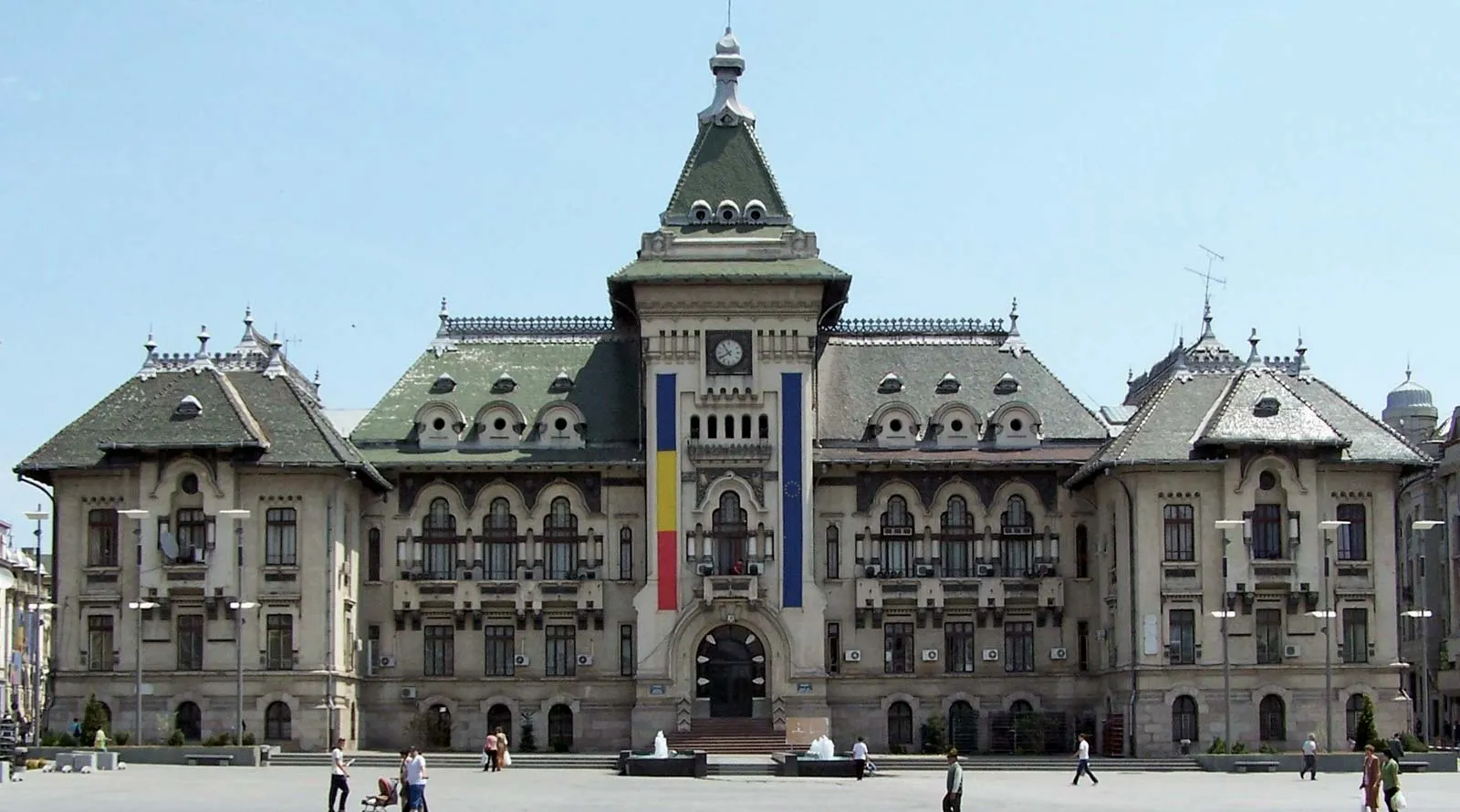
Dolj: A Tapestry of History and Nature – A Glimpse into History

midtoad.org – Dolj, a county in southwestern Romania, is a captivating region that offers a unique blend of history, culture, and natural beauty. With its rich history, diverse landscapes, and vibrant cultural heritage, Dolj is a hidden gem waiting to be discovered.

A Glimpse into History

Dolj’s history dates back to ancient times, with evidence of human settlement dating back to the Neolithic period. The region has been influenced by various cultures, including Dacian, Roman, Byzantine, and Ottoman. This diverse cultural heritage is reflected in the county’s architecture, traditions, and cuisine.

One of the most significant historical landmarks in Dolj is the city of Craiova, the county capital. Craiova has a rich history, with numerous historic buildings, including the Old Town and the Episcopal Palace.

Natural Beauty

Dolj is blessed with stunning natural landscapes, including the Jiu River Valley, which offers picturesque river valleys and serene lakes. The river is popular for fishing, kayaking, and canoeing.

The county is also home to several nature reserves, where visitors can enjoy hiking, birdwatching, and other outdoor activities. The Danube River, one of Europe’s most important waterways, flows through the southern part of the county, offering opportunities for boating, fishing, and exploring the Danube Delta Biosphere Reserve.

Cultural Experiences

Dolj is a cultural hub, with a rich tradition of music, dance, and folklore. The county is home to several cultural festivals, including the “Craiova International Film Festival,” which attracts filmmakers and cinephiles from around the world.

Craiova is also a cultural center, with numerous theaters, museums, and art galleries. The Oltenian Literature Museum, located in Craiova, houses a valuable collection of books, manuscripts, and documents related to the region’s literary heritage.

A Warm Welcome

Dolj is a welcoming county with friendly locals. Visitors can expect a warm reception and a genuine desire to share their cultural heritage. The region’s affordable prices and authentic experiences make it an ideal destination for budget travelers.

In conclusion, Dolj is a hidden gem in southwestern Romania, offering a, culture, and natural beauty. Whether you’re interested in exploring historic sites, enjoying outdoor activities, or immersing yourself in local culture, Dolj has something to offer everyone.