The Unsung Heroes of the Soil: The Diverse World of Worms

midtoad.org – The term “worm” encompasses a diverse array of elongated, limbless invertebrates found in various habitats worldwide. From the familiar earthworm to microscopic nematodes, these creatures play crucial roles in ecosystems, contributing to decomposition, nutrient cycling, and soil health. While some worms are parasitic, the vast majority are beneficial. This article explores the diverse world of worms, delving into their various phyla, unique characteristics, ecological significance, and interactions with humans.  

A Diverse Grouping: Not a Single Taxonomic Category

“Worm” is not a formal taxonomic classification but rather a general term applied to several unrelated invertebrate groups. The three main phyla commonly referred to as worms are:   

  • Annelida (Segmented Worms): Characterized by segmented bodies, including earthworms, leeches, and marine worms.   
  • Nematoda (Roundworms): Cylindrical, unsegmented worms, including free-living and parasitic species.   
  • Platyhelminthes (Flatworms): Flat, ribbon-like worms, including free-living planarians and parasitic tapeworms and flukes.   

Other groups sometimes referred to as worms include:

  • Nemertea (Ribbon Worms): Long, unsegmented worms, mostly marine.   
  • Acanthocephala (Spiny-headed Worms): Parasitic worms with a spiny proboscis.   

Annelida: The Segmented Wonders

Annelids are characterized by their segmented bodies, which allow for greater flexibility and movement. Key features include:   

  • Segmentation: The body is divided into repeating segments, each with its own set of organs.   
  • Setae (Bristles): Small, hair-like structures used for locomotion and anchoring.   
  • Closed Circulatory System: Blood is contained within vessels.   
  • Examples: Earthworms, leeches, polychaetes (marine worms).   

Nematoda: The Ubiquitous Roundworms

Nematodes are incredibly abundant and diverse, found in nearly every habitat on Earth. Key features include:   

  • Cylindrical Body: Tapered at both ends.
  • Pseudocoelom: A fluid-filled body cavity that provides support and aids in nutrient transport.   
  • Cuticle: A tough outer layer that protects the worm.   
  • Examples: Free-living soil nematodes, parasitic nematodes like hookworms and pinworms.   

Platyhelminthes: The Flat and Simple Worms

Platyhelminthes are characterized by their flat, unsegmented bodies. Key features include:   

  • Flat Body: Giving them a high surface area to volume ratio for gas exchange.
  • No Body Cavity: Lacking a coelom or pseudocoelom.
  • Simple Nervous System: With a nerve net and simple brain.   
  • Examples: Planarians (free-living), tapeworms and flukes (parasitic).   

Ecological Roles: Essential for Ecosystem Function

Worms play crucial roles in various ecosystems:

  • Decomposition and Nutrient Cycling: Earthworms and other detritivores break down organic matter, releasing nutrients back into the soil.   
  • Soil Health: Earthworm burrowing improves soil aeration, drainage, and structure.   
  • Food Source for Other Animals: Worms serve as prey for various predators, such as birds, amphibians, and mammals.
  • Parasites: Some worms are parasites, playing a role in regulating host populations.   

Worms and Humans: A Complex Relationship

The relationship between humans and worms is complex:

  • Beneficial in Agriculture: Earthworms are highly beneficial for soil health and agriculture.   
  • Pests in Gardens: Some nematodes can be plant pests, damaging crops.   
  • Parasites of Humans and Animals: Several worm species are parasites of humans and animals, causing various diseases.   
  • Use in Research: Certain worm species, such as Caenorhabditis elegans, are important model organisms in biological research.   

Conservation Status and Threats: Varies Depending on the Species

The conservation status of worms varies greatly depending on the species and group:

  • Habitat Loss and Degradation: Habitat destruction can negatively impact worm populations.
  • Pollution: Pollution can contaminate soil and water, harming worms.   
  • Climate Change: Changes in temperature and rainfall patterns can affect worm distribution and survival.   

Conclusion: Recognizing the Importance of Worms

Worms, despite their simple appearance, are a diverse and essential part of the natural world. From their role in decomposition and nutrient cycling to their impact on human health and agriculture, these often-overlooked creatures play a significant role in our world. By understanding their unique characteristics and ecological importance, we can better appreciate their contribution to the health and balance of our planet.

A World of Cheese: A Dairy Delight

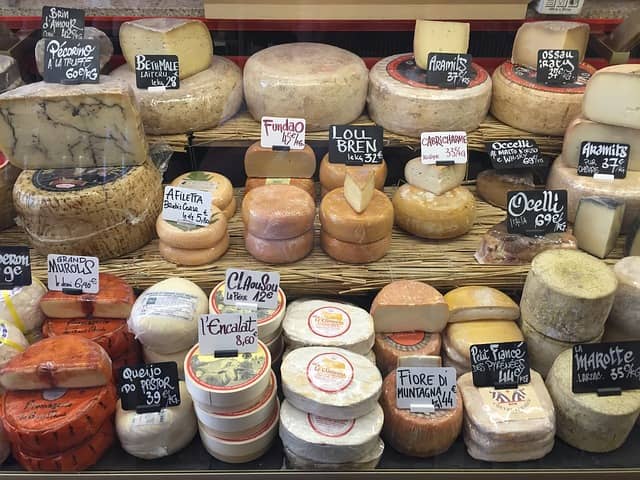
midtoad.org – Cheese, a dairy product made from the curdling of milk, has been enjoyed by humans for thousands of years. Its versatility, flavor, and nutritional value have made it a beloved food worldwide. From the creamy brie to the sharp cheddar, the world of cheese is vast and diverse.

The Cheesemaking Process

The cheesemaking process involves several key steps:

  1. Milk Selection: The type of milk used, whether cow’s, goat’s, or sheep’s, significantly influences the flavor and texture of the cheese.
  2. Coagulation: Milk is curdled by adding rennet, an enzyme, or an acid like vinegar or lemon juice.
  3. Curd Cutting and Heating: The curds are cut into smaller pieces and heated to expel whey, a watery liquid.
  4. Curd Treatment: The curds are then treated in various ways, such as salting, pressing, and aging, to develop specific flavors and textures.
  5. Aging: Many cheeses are aged for varying periods, allowing them to develop complex flavors and textures.

Types of Cheese

Cheese can be categorized based on various factors, including texture, flavor, and production method. Here are some of the most common types:

  • Fresh Cheese: Soft, unripened cheeses like mozzarella, ricotta, and cottage cheese.
  • Soft-Ripened Cheese: Creamy cheeses with a bloomy rind, such as brie and camembert.
  • Semi-Soft Cheese: Cheeses with a slightly firmer texture, such as Gouda and Gruyère.
  • Hard Cheese: Firm, aged cheeses like cheddar, Parmesan, and Asiago.
  • Blue-Veined Cheese: Cheeses with blue or green veins, such as Roquefort and Gorgonzola.

Pairing Cheese with Food and Wine

Cheese pairing is an art form that can enhance the dining experience. Here are some general guidelines:

  • Light Cheeses: Pair with light wines like Sauvignon Blanc or Pinot Grigio.
  • Medium-bodied Cheeses: Pair with medium-bodied wines like Chardonnay or Pinot Noir.
  • Strong Cheeses: Pair with full-bodied red wines like Cabernet Sauvignon or Shiraz.

The Health Benefits of Cheese

In addition to its delicious taste, cheese offers several health benefits:

  • Calcium and Protein: Cheese is a good source of calcium and protein, which are essential for bone health and muscle growth.
  • Vitamins and Minerals: Cheese contains various vitamins and minerals, including vitamin B12, riboflavin, and phosphorus.
  • Probiotics: Some cheeses, especially those made with raw milk, contain probiotics that can promote gut health.

Whether you’re a seasoned cheese connoisseur or a casual cheese lover, there’s a cheese out there to satisfy every palate. So, indulge in the world of cheese and discover the endless possibilities of this delicious dairy delight.

The Enigmatic Worlds of J.K. Rowling

midtoad.org – J.K. Rowling, a name synonymous with magic, wonder, and adventure, has captivated millions of readers worldwide with her imaginative storytelling. Best known for the “Harry Potter” series, Rowling’s works have transcended the boundaries of literature, creating a cultural phenomenon that continues to enchant fans of all ages. Beyond the magical corridors of Hogwarts, Rowling has explored various genres and themes, showcasing her versatility as a writer. This article delves into the enchanting worlds she has created, examining the impact and legacy of her storytelling.

The Magical Universe of Harry Potter

The “Harry Potter” series is undoubtedly Rowling’s most famous creation, a saga that follows a young wizard’s journey through the trials and tribulations of growing up, friendship, and battling evil. Set in a richly detailed magical world, the series is renowned for its intricate plotlines, memorable characters, and the universal themes of love, courage, and the struggle between good and evil. With over 500 million copies sold worldwide, the series has not only dominated bestseller lists but has also spawned a successful film franchise, theme parks, and an abundance of merchandise.

Beyond Hogwarts: Other Works

While “Harry Potter” remains at the core of Rowling’s success, she has also ventured into other literary territories. Under the pseudonym Robert Galbraith, she penned the “Cormoran Strike” detective series, showcasing her knack for mystery and crime fiction. These novels, beginning with “The Cuckoo’s Calling,” have been praised for their engaging plots and complex characters, proving Rowling’s ability to captivate readers beyond the magical realm.

In addition, Rowling has written several companion books to the “Harry Potter” series, such as “Fantastic Beasts and Where to Find Them” and “The Tales of Beedle the Bard,” further expanding the wizarding world. These works have not only enriched the original series but have also provided fans with a deeper understanding of its lore and history.

The Legacy of J.K. Rowling

J.K. Rowling’s impact extends far beyond her written works. Her storytelling has inspired a generation of readers, fostering a love for reading and creativity in young minds. The themes of resilience, friendship, and the power of choice resonate deeply with audiences, making her stories timeless.

Rowling’s philanthropic efforts are also notable. Having experienced financial hardship herself, she has been a vocal advocate for various charitable causes, using her platform to make a positive difference in the world. Her charity, Lumos, focuses on supporting disadvantaged children globally, underlining her commitment to humanitarian work.

Conclusion

J.K. Rowling’s enigmatic worlds continue to enchant and inspire millions. Her ability to weave intricate narratives filled with wonder and emotion has cemented her status as one of the most beloved authors of our time. Whether through the magical halls of Hogwarts or the gritty streets of London in her detective stories, Rowling’s imagination knows no bounds. As her legacy endures, her stories remain a beacon of hope and magic for readers everywhere.

The World’s Snakes: Mark O’Shea’s “The Book of Snakes”

midtoad.org – Mark O’Shea, a renowned herpetologist and snake expert, offers readers a breathtaking journey into the world of snakes with his book, “The Book of Snakes: A Life-Size Guide to Six Hundred Species from Around the World.” This remarkable guide is a comprehensive and visually stunning compilation that showcases the diversity and beauty of these often misunderstood creatures. In this article, we will explore the unique features and contributions of O’Shea’s work to the field of herpetology and the general appreciation of snakes.

A Visual Masterpiece

One of the standout features of “The Book of Snakes” is its visual presentation. The book includes life-size photographs of 600 snake species, providing readers with an unparalleled view of these animals in their natural splendor. Each species is depicted with high-quality images that capture the intricate details of their scales, colors, and patterns, allowing readers to appreciate the diversity and adaptations of snakes from around the world.

Comprehensive Species Coverage

O’Shea’s guide is notable for its extensive coverage of snake species. The book profiles 600 species, which is nearly one-sixth of all known snake species worldwide. This breadth of information makes it an invaluable resource for both herpetologists and snake enthusiasts, offering insights into the behavior, habitat, and distribution of snakes across different geographical regions.

Educational and Accessible Content

While the book is a visual delight, it is also rich in educational content. O’Shea provides informative profiles for each species, written in an accessible style that caters to both experts and laypersons. These profiles include essential information about the snakes’ natural history, behavior, and conservation status, making the book a useful tool for education and awareness.

Promoting Conservation and Understanding

“The Book of Snakes” is not only a celebration of snake diversity but also a call to action for their conservation. By highlighting the beauty and ecological importance of snakes, O’Shea encourages readers to reconsider their perceptions of these often-feared creatures. The book aims to foster a greater understanding and appreciation for snakes, ultimately supporting efforts to protect their habitats and ensure their survival.

Conclusion

Mark O’Shea’s “The Book of Snakes” is a significant contribution to the world of natural history literature. With its combination of stunning visuals and comprehensive information, the book serves as both a reference guide and a source of inspiration for snake lovers and conservationists alike. It invites readers to explore the fascinating world of snakes and challenges them to appreciate the vital role these creatures play in our ecosystems.

The Allure of Anime Toys: A Deep Dive into the Collector’s World

midtoad.org – Anime toys, also known as anime figures or collectibles, have become a cornerstone of the anime fan community. These intricately designed items are not just playthings; they are representations of beloved characters from various anime series, embodying the essence of the shows they come from. The market for anime toys is vast and varied, catering to fans of all ages and preferences.

The Rise of Anime Toy Collecting

The hobby of collecting anime toys has seen a significant rise in popularity over the years. This can be attributed to the global spread of anime culture, the internet making these items more accessible, and the increasing quality and detail of the toys themselves. Collectors often seek out rare or limited edition figures, making the hobby both a passion and an investment.

Types of Anime Toys

Anime toys come in various forms, each with its own appeal. Action figures are highly articulated and allow for dynamic posing, while statues and busts are more static but offer incredible detail and craftsmanship. Plush toys provide a softer, more cuddly option, and keychains and other small collectibles are perfect for displaying a wide range of characters.

The Art of Collecting

Collecting anime toys is an art form that requires knowledge, patience, and sometimes a considerable budget. Collectors must stay updated on new releases, understand the different manufacturers and their quality standards, and navigate the sometimes complex world of importing and customs. The thrill of the hunt and the joy of completing a collection are what drive many enthusiasts.

The Community Aspect

The anime toy community is a vibrant and supportive one. Collectors share their finds, trade tips, and even sell or trade items among themselves. Social media platforms and dedicated forums have become hubs for these interactions, fostering friendships and collaborations among fans worldwide.

The Future of Anime Toys

As technology advances, so too does the world of anime toys. We can expect to see more detailed figures, perhaps even incorporating elements of augmented reality or smart technology. The demand for anime toys shows no signs of slowing down, and as new anime series emerge, so too will new toys to collect.

Conclusion

Anime toys are more than just objects; they are a tangible connection to the stories and characters that fans adore. Whether you’re a seasoned collector or just starting out, the world of anime toys offers endless possibilities for enjoyment and creativity. As the anime industry continues to grow, so too will the allure of these beloved collectibles.

Exploring the World’s Finest Varieties: The Cheese Connoisseur

midtoad.org – Cheese, a culinary delight that has been savored for thousands of years, is more than just a dairy product; it’s an art form. From the creamy, rich texture of Brie to the sharp, tangy bite of Parmigiano-Reggiano, cheese comes in a myriad of flavors, textures, and aromas. The world of cheese is vast and varied, offering something for every palate. In this article, we will embark on a journey to explore some of the world’s finest cheese varieties, uncovering the stories behind their creation and the unique characteristics that make them stand out.

The History of Cheese: A Timeless Tradition

The history of cheese is as old as civilization itself. It is believed that cheese-making dates back to around 8000 BCE, when nomads stored milk in containers made from the stomachs of animals. The rennet in these stomachs caused the milk to coagulate, leading to the accidental discovery of cheese. Since then, cheese-making has evolved into a sophisticated craft, with each region of the world developing its own unique styles and traditions.

The Diversity of Cheese: A Global Perspective

Europe: The Birthplace of Cheese

Europe is home to some of the most renowned cheese varieties in the world. France alone boasts over 400 types of cheese, each with its own AOC (Appellation d’Origine Contrôlée) status, ensuring its authenticity and quality. The soft and creamy Camembert, the pungent and runny Époisses, and the hard, aged Comté are just a few examples of the French cheese legacy.

Italy is another powerhouse in the cheese world, with Parmigiano-Reggiano and Grana Padano leading the charge. These hard, granular cheeses are aged for months, sometimes years, developing a complex flavor profile that is both nutty and savory. Mozzarella di Bufala, made from the milk of water buffalo, is celebrated for its soft texture and slightly sweet taste.

The Americas: A Melting Pot of Cheese Cultures

In the Americas, cheese-making has been influenced by European settlers, indigenous cultures, and modern innovation. The United States has developed its own unique cheese varieties, such as the creamy, mild Colby and the sharp, crumbly Cheddar. Wisconsin and Vermont are particularly famous for their artisanal cheese production, offering a wide range of flavors and styles.

Mexico’s cheese tradition is deeply intertwined with its cuisine, with varieties like Queso Fresco and Cotija playing a crucial role in dishes like tacos and enchiladas. These cheeses are typically fresh, salty, and crumbly, complementing the bold flavors of Mexican food.

Asia and the Middle East: Ancient Cheese Traditions

The Middle East and Asia have their own ancient cheese-making traditions. Halloumi, a cheese from Cyprus, is famous for its high melting point, making it perfect for grilling. Feta, from Greece, is a brined curd cheese that has been produced since ancient times. It is known for its tangy, salty flavor and is a staple in Mediterranean cuisine.

In the Middle East, Akkawi cheese, named after the Palestinian city of Acre, is a mild, white brined cheese that is often used in desserts like Kunafa. The region is also known for its labneh, a strained yogurt cheese that is creamy and spreadable.

The Art of Cheese Tasting: A Connoisseur’s Guide

Tasting cheese is an art that requires attention to detail and a discerning palate. When exploring different cheese varieties, it’s important to consider the following aspects:

  • Texture: Cheese can range from soft and creamy to hard and crumbly. The texture can greatly influence the overall eating experience.
  • Flavor: The flavor profile of cheese can vary widely, from mild and buttery to sharp and tangy. Aging, type of milk, and production methods all play a role in developing the cheese’s flavor.
  • Aroma: The smell of cheese can be as important as its taste. A good cheese will have a complex aroma that complements its flavor.
  • Pairing: Cheese is often enjoyed with accompaniments such as wine, bread, fruits, and nuts. The right pairing can enhance the cheese’s flavor and create a harmonious dining experience.

Conclusion: A World of Cheese Awaits

The world of cheese is a testament to the diversity and creativity of human culture. Each cheese variety tells a story of its land, its people, and its traditions. Whether you’re a seasoned cheese connoisseur or a curious newcomer, there’s always something new to discover in the world of cheese. So, the next time you indulge in a slice of cheese, take a moment to appreciate the craftsmanship and history behind it. Who knows, you might just find your new favorite variety.

The World’s Most Famous Royal Palaces: Majestic Residences

midtoad.org – Royal palaces are not just homes for the world’s monarchs; they are architectural masterpieces, historical landmarks, and symbols of national pride. These majestic residences often span centuries, each room telling a story of the past and the grandeur of royal life. From the sprawling gardens to the opulent interiors, these palaces are a testament to the wealth and power of the royal families who once lived within their walls. Here, we take a journey through some of the world’s most famous royal palaces, exploring their history, architecture, and the legacy they leave behind.

Buckingham Palace, United Kingdom

Buckingham Palace, the London residence of the British monarch, is one of the most iconic royal palaces in the world. Originally known as Buckingham House, it was acquired by King George III in 1761 as a private residence for Queen Charlotte and became the official royal palace during the reign of Queen Victoria in 1837. The palace is famous for its lavish State Rooms, which are open to the public during the summer months, and the Changing of the Guard ceremony, which attracts visitors from around the globe.

The Palace of Versailles, France

The Palace of Versailles, located just outside Paris, was the principal royal residence of France from 1682, under Louis XIV, until the start of the French Revolution in 1789. It is renowned for its grandeur, with over 700 rooms, including the Hall of Mirrors and the King’s and Queen’s State Apartments. The palace’s gardens, designed by André Le Nôtre, are equally impressive, featuring fountains, sculptures, and meticulously manicured lawns. Today, Versailles is a UNESCO World Heritage site and one of the most visited museums in the world.

The Forbidden City, China

The Forbidden City, located in the heart of Beijing, was the imperial palace for 24 emperors during the Ming and Qing dynasties, from 1420 to 1912. It is the largest palace complex in the world, with over 9,000 rooms. The Forbidden City is a masterpiece of Chinese palatial architecture, with its intricate woodwork, golden roofs, and symmetrical layout reflecting the philosophy of harmony and balance. Today, it is a museum that showcases the art and artifacts of the imperial era.

The Alhambra, Spain

The Alhambra is a stunning palace and fortress complex in Granada, Spain, that dates back to the Nasrid dynasty of the Sultanate of Granada. It is renowned for its sophisticated architecture and beautiful gardens, which blend elements of Islamic and European design. The palace’s interior is adorned with intricate geometric patterns, calligraphy, and muqarnas ceilings. The Alhambra stands as a testament to the Moorish influence in Spain and is a UNESCO World Heritage site.

The Grand Palace, Thailand

The Grand Palace in Bangkok was the official residence of the Kings of Siam, and later Thailand, from 1782 until 1925. It is a complex of buildings that includes the Temple of the Emerald Buddha, one of Thailand’s most important Buddhist sites. The palace is a dazzling display of traditional Thai architecture, with its ornate spires, gilded statues, and colorful murals. It remains a symbol of the Thai monarchy and is a major tourist attraction.

The Winter Palace, Russia

The Winter Palace in St. Petersburg, Russia, was the official residence of the Russian Emperors from 1732 until the fall of the Russian Empire in 1917. It is now home to the State Hermitage Museum, one of the largest and oldest museums in the world. The palace is a magnificent example of Baroque architecture, with over 1,000 rooms and an exterior that stretches along the banks of the Neva River.

These royal palaces are more than just buildings; they are living museums that offer a glimpse into the lives of the world’s royalty. They stand as enduring symbols of the power, wealth, and cultural heritage of the nations they represent. Whether through their architecture, art collections, or historical significance, these majestic residences continue to captivate and inspire visitors from all corners of the globe.