Sang Penari (The Dancer) (2011) – Indonesian Culture

midtoad.org – “Sang Penari” (The Dancer), released in 2011, is an Indonesian film directed by Ifa Isfansyah, adapted from the trilogy of novels “Ronggeng Dukuh Paruk” by Ahmad Tohari. Set against the backdrop of 1960s Indonesia, the film intricately weaves a tale of love, cultural heritage, and political shifts. With stellar performances by actors such as Prisia Nasution and Nyoman Oka Antara, the movie has been lauded as a significant contribution to Indonesian cinema.

Plot and Themes

The film centers around a young dancer named Srintil, portrayed by Prisia Nasution, who aspires to become a ronggeng, a traditional dancer believed to possess mystical powers. Her journey unfolds in a small, impoverished village called Dukuh Paruk, where she faces both internal and external conflicts. As she navigates her path, Srintil’s life becomes intertwined with Rasus, a young man who is deeply in love with her, played by Oka Antara.

“Sang Penari” explores themes of tradition versus modernity, the role of women in society, and the impact of political change on personal lives. The film also delves into the socio-political landscape of Indonesia during the transition from the Old Order to the New Order, capturing the tension and uncertainty that characterized the era.

Cinematic Excellence

Director Ifa Isfansyah’s meticulous attention to detail is evident in the film’s visual storytelling. The lush cinematography captures the vibrant colors of traditional Javanese culture, while the haunting score complements the film’s emotional depth. Prisia Nasution’s portrayal of Srintil earned her critical acclaim, as she embodied the character’s grace and resilience with authenticity and sensitivity.

Cultural Significance

“Sang Penari” is more than just a love story; it is a celebration of Indonesian cultural heritage. The film highlights the art of ronggeng, a dance form steeped in history and spirituality, bringing it to the forefront of modern Indonesian consciousness. By doing so, it preserves the legacy of traditional arts and fosters a deeper appreciation for Indonesia’s rich cultural tapestry.

Conclusion

“Sang Penari” stands as a testament to the power of cinema to reflect societal values and historical contexts. Its compelling narrative and cultural richness make it a must-watch for anyone interested in exploring the nuances of Indonesian culture and history. Through its poignant storytelling and evocative performances, “Sang Penari” continues to enchant audiences and inspire discussions about identity, tradition, and change.
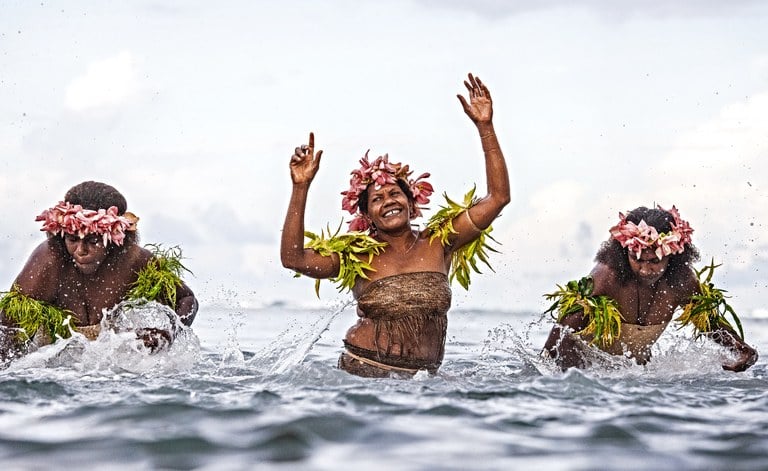
Vanuatu Women: Culture, Society, and Empowerment

midtoad.org – Vanuatu, an archipelago in the South Pacific, is known for its rich cultural diversity and vibrant traditions. Within this cultural tapestry, the role and status of women in Vanuatu offer a fascinating glimpse into the intersection of tradition and modernity. This article explores the lives of Vanuatu women, their cultural significance, and the ongoing efforts towards empowerment and equality.

1. Cultural Background

1.1 Traditional Roles

Vanuatu’s culture is deeply rooted in Melanesian traditions, where women have traditionally played crucial roles in family and community life. They are often responsible for managing households, caring for children, and participating in subsistence farming. Despite these responsibilities, decision-making roles and leadership positions have historically been dominated by men.

1.2 Cultural Practices

Women in Vanuatu are integral to the preservation of cultural practices, including weaving, cooking, and participating in ceremonies. These activities are not only essential for daily life but also for maintaining cultural identity and community bonds.

2. Social and Economic Contributions

2.1 Economic Participation

Women contribute significantly to the economy of Vanuatu, particularly in agriculture and tourism. Many women produce handicrafts and sell them in local markets, providing a vital source of income for their families. Additionally, women’s involvement in tourism-related activities helps promote Vanuatu’s unique cultural heritage.

2.2 Education and Health

Access to education and healthcare has improved over the years, with increasing numbers of women pursuing education and professional careers. However, challenges remain, such as limited access to higher education and healthcare services in rural areas.

3. Empowerment and Gender Equality

3.1 The Vanuatu Women’s Centre

Organizations like the Vanuatu Women’s Centre (VWC) play a crucial role in advocating for women’s rights and addressing issues such as domestic violence. The VWC provides support and resources for women and works towards eliminating gender-based violence through education and advocacy.

3.2 Political Representation

While women in Vanuatu have made strides in various fields, political representation remains limited. Efforts are ongoing to increase women’s participation in politics and decision-making processes, with initiatives aimed at empowering women leaders and promoting gender equality.

4. Challenges and Opportunities

4.1 Overcoming Barriers

Despite progress, women in Vanuatu face challenges such as traditional gender norms, limited access to resources, and political underrepresentation. Addressing these barriers requires continued advocacy, education, and community engagement.

4.2 Celebrating Achievements

The achievements of Vanuatu women, from grassroots activism to leadership roles, are a testament to their resilience and determination. Celebrating these successes inspires future generations and highlights the importance of gender equality in fostering a more inclusive society.

In conclusion, women in Vanuatu are pivotal to the country’s cultural and economic landscape. As they navigate the challenges of modernity, their contributions and achievements continue to shape the future of Vanuatu. Through ongoing efforts in education, empowerment, and advocacy, Vanuatu women are paving the way for a more equitable and prosperous society.

Iceland’s Unique Culture and History

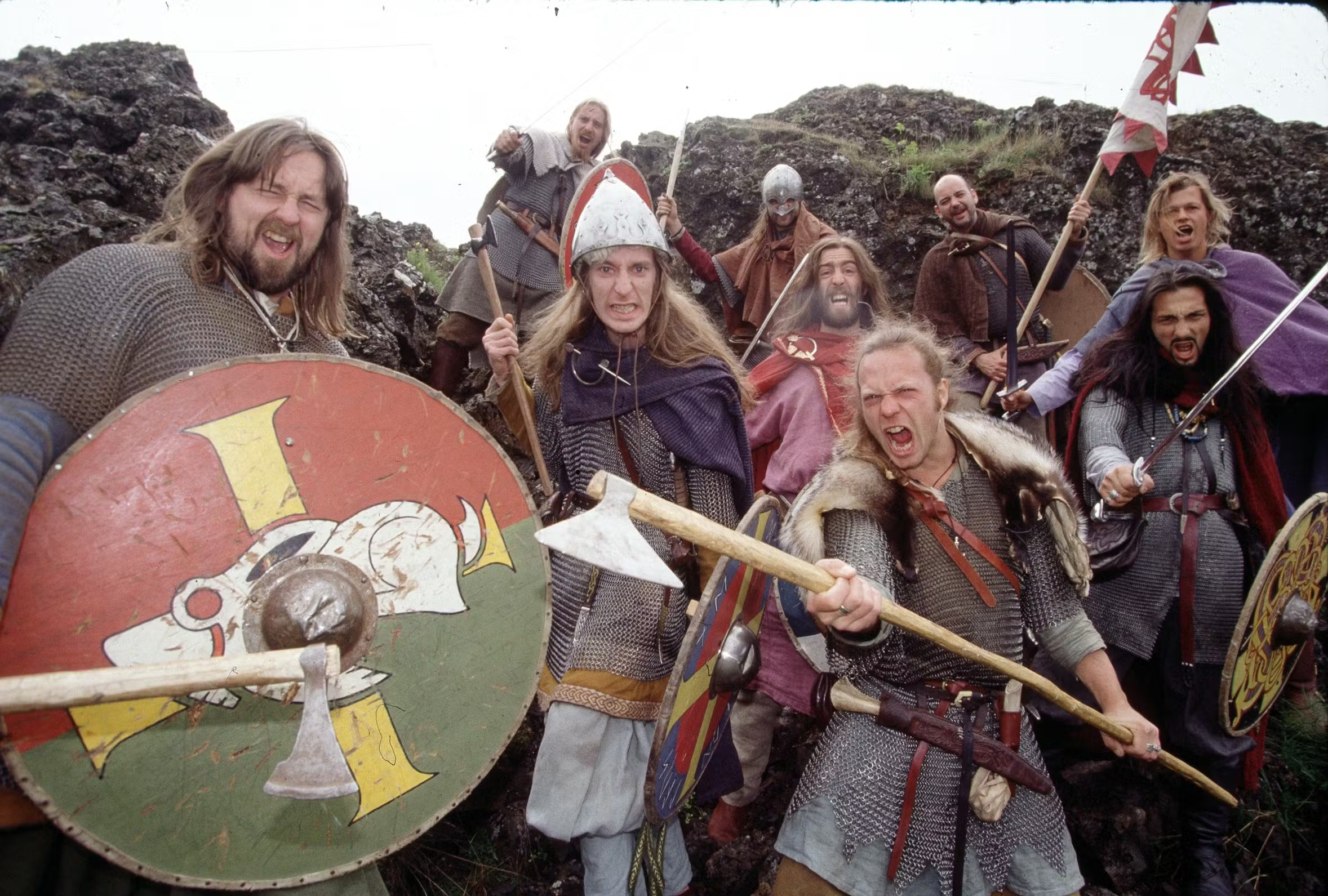
midtoad.org – Iceland, a small island nation in the North Atlantic, boasts a rich and unique cultural heritage shaped by its history, geography, and the resilience of its people. From its early settlement by Norse Vikings to its modern-day status as a thriving democracy, Iceland’s story is one of adaptation, innovation, and a deep connection to its natural environment.

Early Settlement and the Viking Age

The recorded history of Iceland began in the late 9th century when Norse explorers, led by Ingólfr Arnarson, settled the island in 874 CE. These early settlers, primarily from Norway and the British Isles, brought with them a distinct Norse culture, which would form the foundation of Icelandic society. The island’s isolation allowed for the preservation of many Norse traditions, including the sagas, which are a significant part of Iceland’s literary heritage.

The Althing and the Old Commonwealth

By 930 CE, the settlers had established the Althing, one of the world’s oldest parliaments, which met annually to discuss laws and settle disputes. This period, known as the Old Commonwealth, was marked by a decentralized form of governance and a strong emphasis on oral tradition and storytelling. The sagas, detailed accounts of family histories and legendary tales, were compiled during this time and continue to be a source of national pride and cultural identity.

Christianization and the Age of Sturlungs

The adoption of Christianity in the late 10th century by the Norwegian king Olaf Tryggvason marked a significant shift in Icelandic society. This period was followed by the Age of Sturlungs, a time of internal conflict and power struggles among the chieftains, which ultimately led to Iceland’s subjugation by Norway in the 13th century. The subsequent centuries saw Iceland under the rule of Norway and, later, Denmark, which had a profound impact on the island’s culture and economy.

Independence and Modern History

Iceland’s path to independence was long and marked by significant events. The Danish–Icelandic Trade Monopoly in the 17th and 18th centuries severely limited Iceland’s economic growth, and the country faced numerous natural disasters, including the catastrophic Móðuharðindin or “Mist Hardships”. Despite these challenges, Iceland’s independence movement gained momentum in the 19th century, leading to the restoration of the Althing in 1844 and the establishment of the Kingdom of Iceland in 1918.

During World War II, Iceland was occupied by British and later American forces, which played a crucial role in the country’s eventual declaration of independence in 1944. Since then, Iceland has become a member of NATO and the United Nations, and its economy has grown significantly, particularly through fishing and tourism.

Cultural Traditions and Arts

Icelandic culture is deeply rooted in its literary heritage, traditional crafts, and a strong sense of community. The sagas, which were written in the 12th and 13th centuries, are a testament to the island’s rich storytelling tradition and continue to be studied and celebrated today. Traditional crafts such as silversmithing, weaving, and wood carving are also an integral part of Icelandic culture, reflecting the resourcefulness and creativity of its people.

Modern Iceland

Today, Iceland is a thriving democracy with a strong emphasis on sustainability and innovation. The capital, Reykjavík, has transformed into a modern city with a vibrant arts scene, numerous museums, and a growing international presence. Despite rapid development and increased tourism, Icelanders remain deeply connected to their cultural roots and the natural beauty of their island home.

Conclusion

Iceland’s unique culture and history are a testament to the resilience and adaptability of its people. From its early Viking settlers to its modern-day status as a leader in sustainability and innovation, Iceland continues to evolve while preserving its rich cultural heritage. As the world looks to Iceland for inspiration, the island’s story serves as a powerful reminder of the enduring strength of human spirit and the importance of cultural preservation.

A Culture of Excess: Over-the-Top Celebrity Weddings

midtoad.org – Celebrity weddings have long been a spectacle, often blurring the lines between personal celebration and public display. The allure of these grandiose events lies not just in the love stories they represent but in the opulence and extravagance that define them. From lavish venues to extravagant attire and decadent decorations, these weddings are a testament to the culture of excess that has become synonymous with celebrity life.

Venues and Locations

One of the most striking aspects of over-the-top celebrity weddings is the choice of venue. Many celebrities opt for exclusive and luxurious locations that are as much a part of the spectacle as the wedding itself. For instance, Emily Blunt and John Krasinski chose George Clooney’s luxe Italian villa on Lake Como for their 2010 nuptials, turning the picturesque setting into a backdrop for their special day1.

Decorations and Décor

The decorations at these weddings are often as elaborate as the venues themselves. From long, flowing trains to over-the-top cakes, every detail is meticulously planned to ensure that the event is as memorable as possible. The 8 Most Extravagant Celebrity Weddings of All Time highlight weddings where high jewelry, chartered planes, and elaborate cakes were just a few of the extravagant elements2.

Attire and Accessories

Celebrity wedding attire is another area where the concept of excess is fully embraced. Céline Dion’s wedding dress and crystal headpiece, which weighed over 6 pounds, are a prime example of the lavishness that characterizes these events4. The attire is not just about looking beautiful; it’s about making a statement and ensuring that the wedding is talked about for years to come.

Cost and Expense

The cost of these weddings is often as staggering as the events themselves. The 20 most expensive celebrity weddings list includes Liza Minnelli and David Gest’s wedding, which had an estimated cost of $3.5 million7. Other notable mentions include Catherine Zeta-Jones and Michael Douglas, whose wedding in 2000 was also among the most expensive5.

Conclusion

While these weddings are undoubtedly beautiful and memorable, they also reflect a culture of excess that is prevalent in the celebrity world. The focus on grandeur and extravagance often overshadows the personal and emotional aspects of the union. However, it’s undeniable that these weddings captivate the public’s imagination and continue to set the bar for what is considered a lavish and memorable celebration.

In conclusion, over-the-top celebrity weddings are not just about the love between two people; they are a reflection of the opulent lifestyle that celebrities often lead. As these events continue to evolve, they remain a fascinating aspect of celebrity culture, showcasing the best (and sometimes the most extravagant) that money can buy.

Icons of American Culture: Baseball, Hot Dogs, Apple Pie

midtoad.org – When one reflects on the quintessential symbols of American culture, a trio of iconic elements stands out: baseball, hot dogs, and apple pie. These three pillars are not merely individual entities; they are deeply interwoven into the fabric of American life, each representing a slice of the nation’s identity and heritage.

The National Pastime: Baseball’s Role in American Life

Baseball, affectionately known as the “national pastime,” has roots that stretch back to the mid-19th century. It is a sport that has grown alongside the United States, mirroring its values, challenges, and victories. From the humble sandlots of rural America to the grand stadiums of urban centers, baseball has been a unifying force, drawing together people from diverse backgrounds. The distinct sound of a bat connecting with a ball, the cheers of the spectators, and the sight of a home run sailing over the fence are emblematic of American tradition and nostalgia.

Hot Dogs: The Casual Dining Experience

Hand in hand with baseball is the hot dog, a culinary symbol that is as American as the sport itself. The origins of the hot dog may be contested, with various cities and cultures claiming its invention, but its place in American culture is undeniable. As the unofficial meal of baseball games, the hot dog has become synonymous with casual dining and communal eating. Served with a variety of toppings, it transcends social and economic boundaries, enjoyed by fans in the bleachers and celebrities in luxury boxes alike.

Apple Pie: A Slice of Comfort and Tradition

Completing the triumvirate is apple pie, the epitome of American comfort food. It represents home, family, and tradition. The simple yet delicious combination of apples, sugar, cinnamon, and a flaky crust has become intertwined with American values of simplicity, warmth, and hospitality. Apple pie is a staple at family gatherings, community events, and patriotic celebrations, embodying the spirit of togetherness and the bounty of the land.

The Interconnectedness of Icons

The bond between baseball, hot dogs, and apple pie extends beyond their individual significance. They are linked by their role in American social life and their ability to bring people together. A day at the ballpark, with hot dogs in hand and the aroma of apple pie in the air, is a quintessential American experience. It is a celebration of community, tradition, and the simple joys of life.

Commercialization and Popular Culture

These icons have been further entrenched in the American consciousness through their commercialization and portrayal in media. They have been featured in countless movies, TV shows, and advertisements, each reinforcing their status as symbols of American identity.

The Broader Tapestry of American Culture

While baseball, hot dogs, and apple pie are widely celebrated, it is important to acknowledge that they are just a part of the larger mosaic of American culture. The United States is a diverse nation with a rich array of traditions and customs. These icons, though cherished, do not encapsulate the entirety of the American experience.

Conclusion: A Timeless Trio

In conclusion, baseball, hot dogs, and apple pie are more than just a sport, a food, and a dessert. They are cultural icons that embody the spirit of America. They represent the values of community, tradition, and simplicity, and they continue to be celebrated as symbols of American identity. Whether enjoyed at a ballpark, a backyard barbecue, or a family gathering, these icons remind us of the enduring appeal of the simple pleasures that bind us together as a nation.