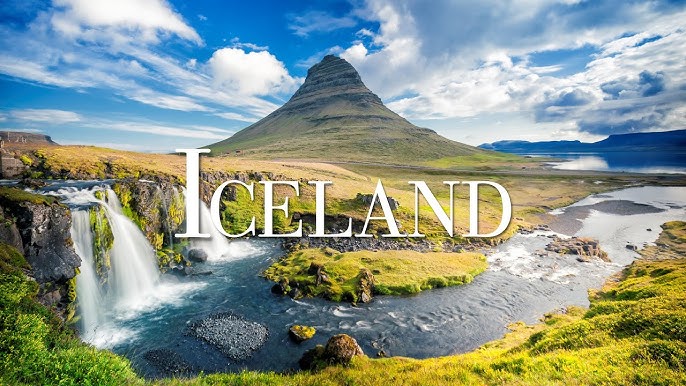
Iceland: A Peaceful Haven – Enchanting Landscapes

midtoad.org – Iceland, a Nordic island nation, stands as a beacon of tranquility amidst the bustling world. Known for its breathtaking landscapes and rich cultural heritage, it offers a unique blend of natural wonders and peaceful living. This article delves into why Iceland is often referred to as a peaceful haven and explores the elements that contribute to its serene reputation.

Enchanting Landscapes

Iceland’s landscapes are nothing short of magical. With its dramatic volcanoes, geysers, hot springs, and lava fields, the country is a testament to the raw power of nature. The mesmerizing Northern Lights, visible during the winter months, add a touch of wonder to the Icelandic sky, creating a surreal experience for both locals and visitors.

A Rich Cultural Tapestry

Despite its small population, Iceland boasts a vibrant cultural scene. The country has a strong literary tradition, with a rich history of sagas and folklore. Music and arts thrive in Iceland, with events like the Reykjavik Arts Festival and Iceland Airwaves music festival attracting international attention. The people of Iceland take pride in preserving their cultural heritage while embracing modern influences.

A Commitment to Sustainability

Iceland is a leader in sustainable living. With abundant geothermal and hydroelectric resources, the country generates nearly all of its electricity from renewable sources. This commitment to sustainability extends to its fishing and agricultural practices, ensuring that Iceland remains a pristine environment for generations to come.

A Model of Peace and Safety

Iceland consistently ranks as one of the safest countries in the world. With low crime rates and a strong sense of community, it offers a peaceful environment for its residents. The country’s commitment to gender equality and social welfare further enhances its reputation as a place where peace and harmony prevail.

Conclusion

In a world where chaos often dominates headlines, Iceland stands out as a peaceful haven. Its stunning landscapes, rich culture, commitment to sustainability, and model of peace make it a unique and desirable destination. Whether you’re seeking adventure in its natural wonders or simply a moment of tranquility, Iceland offers a serene escape from the ordinary.
Iceland’s Unique Culture and History

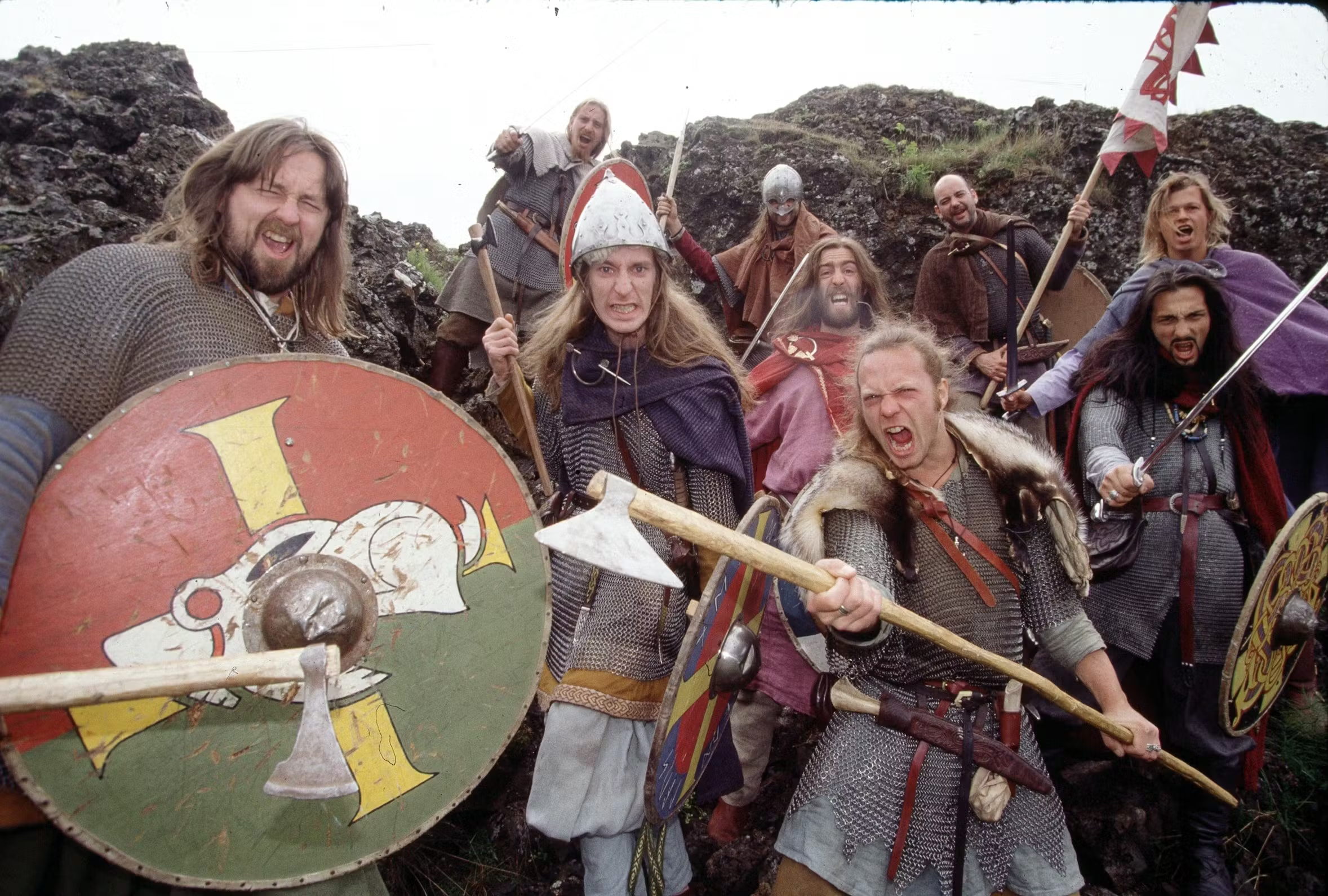
midtoad.org – Iceland, a small island nation in the North Atlantic, boasts a rich and unique cultural heritage shaped by its history, geography, and the resilience of its people. From its early settlement by Norse Vikings to its modern-day status as a thriving democracy, Iceland’s story is one of adaptation, innovation, and a deep connection to its natural environment.

Early Settlement and the Viking Age

The recorded history of Iceland began in the late 9th century when Norse explorers, led by Ingólfr Arnarson, settled the island in 874 CE. These early settlers, primarily from Norway and the British Isles, brought with them a distinct Norse culture, which would form the foundation of Icelandic society. The island’s isolation allowed for the preservation of many Norse traditions, including the sagas, which are a significant part of Iceland’s literary heritage.

The Althing and the Old Commonwealth

By 930 CE, the settlers had established the Althing, one of the world’s oldest parliaments, which met annually to discuss laws and settle disputes. This period, known as the Old Commonwealth, was marked by a decentralized form of governance and a strong emphasis on oral tradition and storytelling. The sagas, detailed accounts of family histories and legendary tales, were compiled during this time and continue to be a source of national pride and cultural identity.

Christianization and the Age of Sturlungs

The adoption of Christianity in the late 10th century by the Norwegian king Olaf Tryggvason marked a significant shift in Icelandic society. This period was followed by the Age of Sturlungs, a time of internal conflict and power struggles among the chieftains, which ultimately led to Iceland’s subjugation by Norway in the 13th century. The subsequent centuries saw Iceland under the rule of Norway and, later, Denmark, which had a profound impact on the island’s culture and economy.

Independence and Modern History

Iceland’s path to independence was long and marked by significant events. The Danish–Icelandic Trade Monopoly in the 17th and 18th centuries severely limited Iceland’s economic growth, and the country faced numerous natural disasters, including the catastrophic Móðuharðindin or “Mist Hardships”. Despite these challenges, Iceland’s independence movement gained momentum in the 19th century, leading to the restoration of the Althing in 1844 and the establishment of the Kingdom of Iceland in 1918.

During World War II, Iceland was occupied by British and later American forces, which played a crucial role in the country’s eventual declaration of independence in 1944. Since then, Iceland has become a member of NATO and the United Nations, and its economy has grown significantly, particularly through fishing and tourism.

Cultural Traditions and Arts

Icelandic culture is deeply rooted in its literary heritage, traditional crafts, and a strong sense of community. The sagas, which were written in the 12th and 13th centuries, are a testament to the island’s rich storytelling tradition and continue to be studied and celebrated today. Traditional crafts such as silversmithing, weaving, and wood carving are also an integral part of Icelandic culture, reflecting the resourcefulness and creativity of its people.

Modern Iceland

Today, Iceland is a thriving democracy with a strong emphasis on sustainability and innovation. The capital, Reykjavík, has transformed into a modern city with a vibrant arts scene, numerous museums, and a growing international presence. Despite rapid development and increased tourism, Icelanders remain deeply connected to their cultural roots and the natural beauty of their island home.

Conclusion

Iceland’s unique culture and history are a testament to the resilience and adaptability of its people. From its early Viking settlers to its modern-day status as a leader in sustainability and innovation, Iceland continues to evolve while preserving its rich cultural heritage. As the world looks to Iceland for inspiration, the island’s story serves as a powerful reminder of the enduring strength of human spirit and the importance of cultural preservation.