
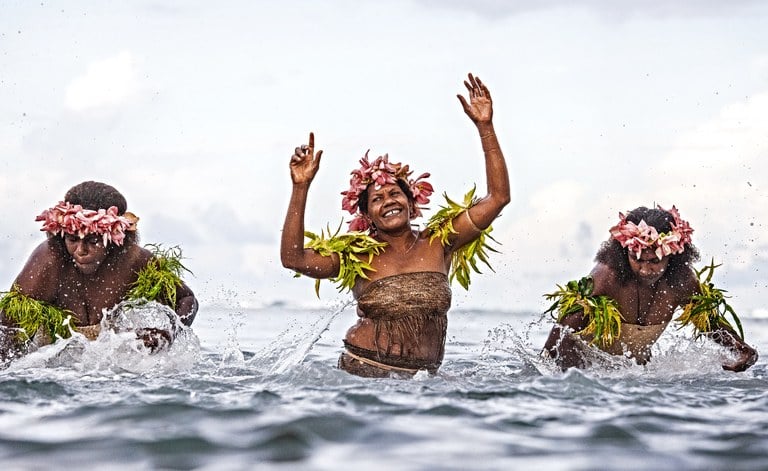
midtoad.org – Vanuatu, an archipelago in the South Pacific, is known for its rich cultural diversity and vibrant traditions. Within this cultural tapestry, the role and status of women in Vanuatu offer a fascinating glimpse into the intersection of tradition and modernity. This article explores the lives of Vanuatu women, their cultural significance, and the ongoing efforts towards empowerment and equality.
1. Cultural Background
1.1 Traditional Roles
Vanuatu’s culture is deeply rooted in Melanesian traditions, where women have traditionally played crucial roles in family and community life. They are often responsible for managing households, caring for children, and participating in subsistence farming. Despite these responsibilities, decision-making roles and leadership positions have historically been dominated by men.
1.2 Cultural Practices
Women in Vanuatu are integral to the preservation of cultural practices, including weaving, cooking, and participating in ceremonies. These activities are not only essential for daily life but also for maintaining cultural identity and community bonds.
2. Social and Economic Contributions
2.1 Economic Participation
Women contribute significantly to the economy of Vanuatu, particularly in agriculture and tourism. Many women produce handicrafts and sell them in local markets, providing a vital source of income for their families. Additionally, women’s involvement in tourism-related activities helps promote Vanuatu’s unique cultural heritage.
2.2 Education and Health
Access to education and healthcare has improved over the years, with increasing numbers of women pursuing education and professional careers. However, challenges remain, such as limited access to higher education and healthcare services in rural areas.
3. Empowerment and Gender Equality
3.1 The Vanuatu Women’s Centre
Organizations like the Vanuatu Women’s Centre (VWC) play a crucial role in advocating for women’s rights and addressing issues such as domestic violence. The VWC provides support and resources for women and works towards eliminating gender-based violence through education and advocacy.
3.2 Political Representation
While women in Vanuatu have made strides in various fields, political representation remains limited. Efforts are ongoing to increase women’s participation in politics and decision-making processes, with initiatives aimed at empowering women leaders and promoting gender equality.
4. Challenges and Opportunities
4.1 Overcoming Barriers
Despite progress, women in Vanuatu face challenges such as traditional gender norms, limited access to resources, and political underrepresentation. Addressing these barriers requires continued advocacy, education, and community engagement.
4.2 Celebrating Achievements
The achievements of Vanuatu women, from grassroots activism to leadership roles, are a testament to their resilience and determination. Celebrating these successes inspires future generations and highlights the importance of gender equality in fostering a more inclusive society.
In conclusion, women in Vanuatu are pivotal to the country’s cultural and economic landscape. As they navigate the challenges of modernity, their contributions and achievements continue to shape the future of Vanuatu. Through ongoing efforts in education, empowerment, and advocacy, Vanuatu women are paving the way for a more equitable and prosperous society.
