
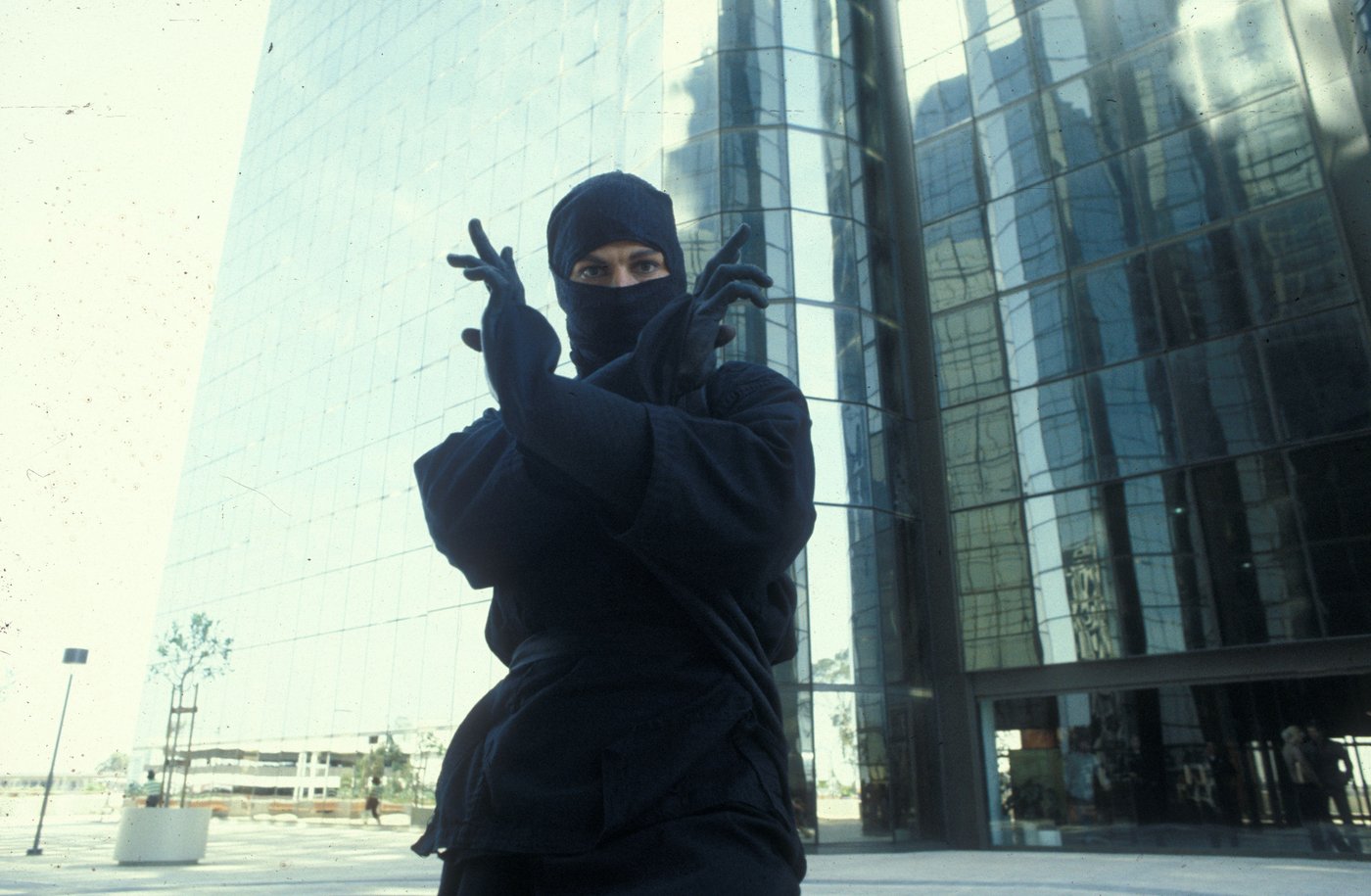
midtoad.org – The Last Ninja, released in 1983 for the Commodore 64 and later ported to various other platforms, wasn’t just another action game. It was a phenomenon. Its blend of isometric perspective, detailed graphics (for the time), and a compelling atmosphere of feudal Japan captivated players and cemented its place as a classic in gaming history. It wasn’t the first game to feature ninjas, but it arguably did more than any other to popularize the ninja theme in video games, especially in the West.
A Technological Marvel: Pushing the Boundaries of 8-Bit Graphics
One of the most striking aspects of The Last Ninja was its graphics. Developed by System 3, the game utilized an isometric perspective, giving a pseudo-3D effect that was uncommon for 8-bit computers. This perspective allowed for detailed environments, including forests, castles, and caves, creating a sense of depth and immersion that was rare at the time.
The character sprites, while limited by the technology, were well-animated and distinctive. The ninja’s movements, from running and jumping to wielding his katana and throwing shurikens, were fluid and believable, further enhancing the game’s atmosphere. The use of color, while restricted by the hardware, was employed effectively to create distinct environments and a sense of mood.
Gameplay and Mechanics: A Blend of Action and Exploration
The Last Ninja wasn’t simply a hack-and-slash game. It combined action elements with exploration and puzzle-solving. Players controlled the titular ninja, navigating through various levels, each with its own unique setting and challenges.
Combat was a significant part of the gameplay. The ninja could use a variety of weapons, including a katana, shurikens, nunchaku, and smoke bombs. Each weapon had its own strengths and weaknesses, requiring players to adapt their strategy depending on the situation. Stealth was also a crucial element. Players could hide in the shadows, avoid enemy patrols, and use stealth tactics to eliminate opponents.
The game also incorporated light puzzle elements, requiring players to find keys, activate switches, and navigate through maze-like environments. This combination of action, exploration, and puzzle-solving kept the gameplay engaging and varied.
Sound and Atmosphere: Creating a Sense of Immersion
The game’s sound design, while limited by the 8-bit sound chips of the time, contributed significantly to the atmosphere. The sparse but effective sound effects, such as the clashing of swords and the rustling of leaves, helped to create a sense of immersion.
The game’s overall presentation, from the detailed graphics to the atmospheric sound, created a compelling sense of feudal Japan, immersing players in the world of ninjas and samurai.
Legacy and Influence: Paving the Way for Future Ninja Games
The Last Ninja was a commercial and critical success, selling millions of copies and receiving numerous awards. Its impact on the gaming industry, particularly the ninja genre, is undeniable.
The game’s isometric perspective, detailed graphics, and blend of action, exploration, and stealth influenced many subsequent ninja games. It helped to popularize the ninja theme in video games and paved the way for future classics like Ninja Gaiden and Tenchu.
Even today, The Last Ninja is remembered fondly by many gamers as a classic title that pushed the boundaries of 8-bit gaming and created a lasting legacy in the world of video games. It stands as a testament to the power of innovative game design and the enduring appeal of the ninja mythos.
