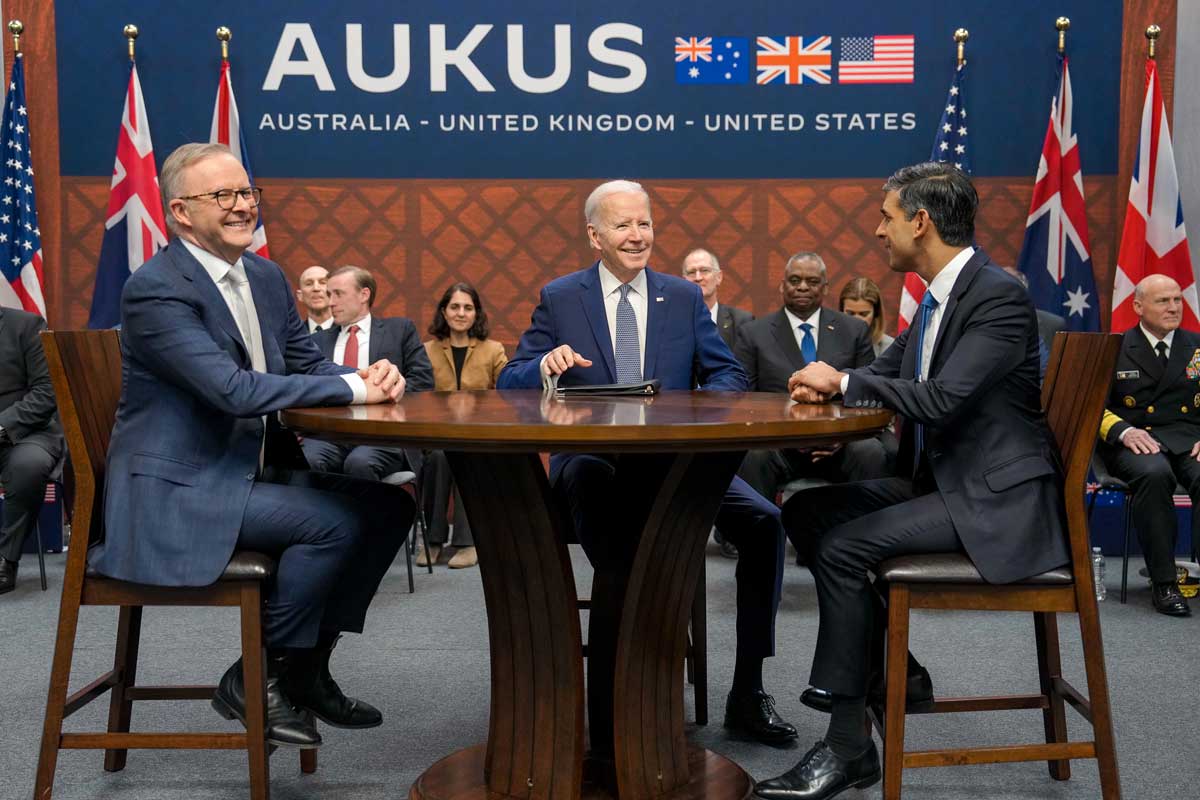
Alliances and Diplomacy: Australia’s Role in International Relations

midtoad.org – Australia’s position on the global stage is defined by its strategic alliances, diplomatic engagements, and commitment to international cooperation. As a middle power, Australia navigates international relations with a focus on maintaining regional stability, promoting economic prosperity, and addressing global challenges.

Strategic Alliances

Australia’s most significant alliance is the ANZUS Treaty, established in 1951 with the United States and New Zealand. This security pact has been the cornerstone of Australia’s defense and foreign policy, although it has evolved over time, particularly with the suspension of New Zealand’s involvement due to its anti-nuclear policies. The alliance with the United States remains central to Australia’s strategic interests, encompassing defense, intelligence sharing, and cooperation on regional and global issues.

Another key alliance is the Five Eyes (FVEY) intelligence-sharing agreement among Australia, Canada, New Zealand, the United Kingdom, and the United States. This partnership enhances national security through the exchange of signals intelligence, demonstrating the countries’ commitment to collective defense and counterterrorism efforts.

Diplomatic Engagements

Australia’s diplomatic efforts are multifaceted, focusing on bilateral relations, participation in international organizations, and engagement with regional forums. Bilateral relationships with major powers such as China, Japan, and India are crucial for Australia’s economic interests and regional security. These relationships are managed through regular high-level dialogues, trade agreements, and cooperation on issues such as climate change and disaster response.

Australia is an active member of the United Nations and contributes to peacekeeping missions, humanitarian aid, and efforts to address global challenges such as climate change and pandemics. Australia’s commitment to the UN reflects its broader diplomatic strategy of promoting international law, human rights, and sustainable development.

Regional Forums

Australia plays an active role in regional forums such as the Association of Southeast Asian Nations (ASEAN) Regional Forum, the East Asia Summit, and the Pacific Islands Forum. These platforms allow Australia to engage with its neighbors on issues of mutual concern, including security, economic development, and environmental sustainability. Through these forums, Australia seeks to foster a stable and prosperous Indo-Pacific region that respects the rules-based international order.

Conclusion

Australia’s role in international relations is characterized by its strategic alliances, diplomatic engagements, and participation in regional forums. These efforts underscore Australia’s commitment to maintaining regional stability, promoting economic prosperity, and addressing global challenges. As the international landscape continues to evolve, Australia’s diplomatic and strategic partnerships will be essential in shaping its future and contributing to global peace and security.

Cameramen’s Role in Music Videos: Frame Around the Sound

midtoad.org – In the dynamic world of music videos, where artistry and technology converge, the role of the cameraman is pivotal yet often underappreciated. These skilled professionals are the ones who bring the director’s vision to life, capturing the essence of the music and the performance in a way that resonates with the audience. They are the frame around the sound, the visual interpreters of the auditory experience. This article delves into the critical role of cameramen in music videos, exploring their craft, challenges, and the impact of their work on the final product.

The Art of Visual Storytelling

Music videos are a unique form of visual storytelling, where the narrative is often abstract and intertwined with the music itself. Cameramen in this field must not only have a deep understanding of cinematography but also a keen ear for music. They must be able to translate the mood, rhythm, and emotion of the song into visuals that complement and enhance the listening experience. This involves a blend of technical skill, creativity, and an intuitive sense of how music and visuals can work together to create a compelling story.

Techniques and Tools of the Trade

Cameramen in music videos employ a variety of techniques and tools to achieve their desired effects. From handheld cameras to drones, from time-lapse photography to high-speed cameras, the options are vast. The choice of equipment and technique depends on the director’s vision and the song’s requirements. For instance, a fast-paced pop song might call for dynamic shots and quick cuts, while a ballad might require more static, intimate shots that focus on the artist’s performance.

Lighting is another critical aspect of a cameraman’s work. It can set the mood, highlight the subject, and create a visual rhythm that matches the music. Cameramen must be adept at using natural light as well as artificial lighting to achieve the desired effect, often working in challenging conditions to get the perfect shot.

Challenges and Creativity

The role of a cameraman in music videos is fraught with challenges. They often work under tight deadlines and in unpredictable environments. They must be able to adapt quickly to changes in the shoot plan, technical difficulties, or the artist’s improvisations. Despite these challenges, it is the cameraman’s creativity and problem-solving skills that can turn obstacles into opportunities for unique and memorable shots.

Moreover, the relationship between the cameraman and the director is crucial. It requires a deep level of trust and communication. The cameraman must understand the director’s vision and be able to contribute their own ideas and expertise to enhance the final product. This collaborative process is what often leads to the most innovative and visually striking music videos.

The Impact of the Cameraman’s Work

The impact of a cameraman’s work on a music video cannot be overstated. Their choices in framing, movement, lighting, and editing can make or break the viewer’s engagement with the music. A well-executed visual narrative can elevate a song from a mere audio track to a multi-sensory experience that resonates with audiences on a deeper level. It can also contribute significantly to the artist’s brand and the song’s success, as memorable music videos often become cultural touchstones and viral sensations.

Conclusion

In the world of music videos, the role of the cameraman is as crucial as it is creative. These professionals are the unsung heroes who bring the director’s vision to life, frame by frame, shot by shot. Their work is a testament to the power of visual storytelling and the synergy between music and imagery. As we watch and enjoy music videos, it’s important to appreciate the artistry and dedication of the cameramen who help create these visual masterpieces. They are indeed the frame around the sound, making the invisible visible and the abstract tangible.