The Silent Struggle: Coverture Laws and Women’s Property Rights

midtoad.org – The concept of coverture, a legal doctrine that subsumed a woman’s legal rights and personality under her husband’s upon marriage, was a cornerstone of gender inequality in many Western societies until the late 19th and early 20th centuries. This doctrine, deeply embedded in the legal and social fabric of the time, significantly impacted women’s property rights, autonomy, and overall legal status. This article explores the historical context, the impact of coverture laws on women’s property rights, and the gradual changes that led to the erosion of these laws.

Historical Context

The origins of coverture laws can be traced back to Roman law, which considered women as legal minors under the guardianship of their husbands. This concept was further entrenched in the common law of England, where women were considered “covered” by their husbands’ legal identities upon marriage. This meant that women lost their legal rights, including the right to own property, make contracts, or sue or be sued in their own name.

Impact on Women’s Property Rights

Under coverture laws, women’s property rights were severely curtailed. Upon marriage, a woman’s property became her husband’s, and she had no legal recourse to reclaim it in case of divorce or separation. This was particularly harsh for women who entered into marriages without substantial dowries, as they had no property to fall back on in case of marital discord.

Legal and Social Implications

  1. Loss of Legal Personhood: Women were considered legal extensions of their husbands, unable to act independently in legal matters. This included the inability to enter into contracts, sue or be sued, or own property in their own name.
  2. Control Over Property: Husbands had complete control over the property brought into the marriage by their wives. This control extended to the management and use of the property, often to the detriment of the wife and any children from the marriage.
  3. Divorce and Separation: In cases of divorce or separation, women were often left destitute, as they had no legal claim to the property or assets accumulated during the marriage. This was particularly true if the marriage was dissolved due to the husband’s fault.

The Struggle for Change

The fight against coverture laws was a long and arduous process, driven by women’s rights activists and legal reformers. Key milestones included:

  1. Legal Reforms: In the 19th century, several European countries began to reform their legal systems to grant women more rights. For example, in Germany, the 1896 Married Women’s Property Act provided some rights to married women, including the right to own property and sue in their own name.
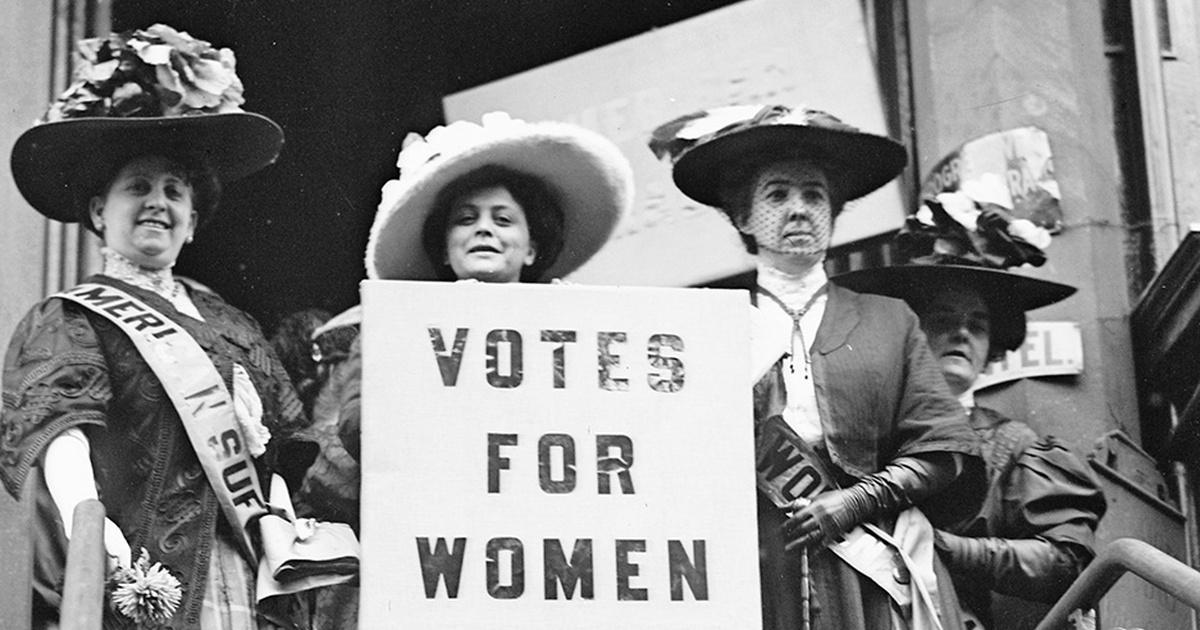
  2. Social Movements: The women’s suffrage movement played a crucial role in raising awareness about the injustices of coverture laws. Activists argued that women should have equal rights under the law, including the right to own property and make decisions independently.
  3. Gradual Erosion of Coverture Laws: Over the course of the 20th century, coverture laws were gradually abolished in most Western countries. This was facilitated by a combination of legal reforms and social changes that recognized the importance of women’s rights and autonomy.

Conclusion

The history of coverture laws and their impact on women’s property rights is a stark reminder of the legal and social barriers that women have faced in their struggle for equality. While these laws have been largely abolished, their legacy continues to influence contemporary discussions about gender equality and women’s rights. Understanding this history is crucial for appreciating the progress made and the ongoing challenges that remain in achieving true gender equality.
The Guide to Right Living: The Eightfold Path

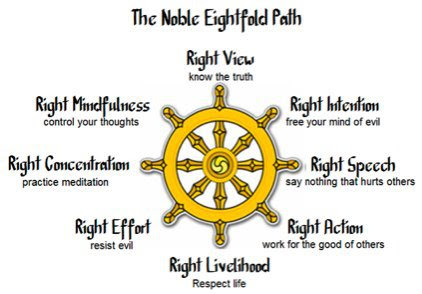
midtoad.org – The Eightfold Path is a core component of Buddhism, serving as a practical guide for ethical and mental development with the goal of freeing the individual from attachments and delusions; leading to understanding, and thus to an end of suffering. This path is divided into three basic divisions: wisdom, ethical conduct, and mental discipline. Each division is further broken down into specific practices that, when followed, are believed to lead to enlightenment and liberation from the cycle of rebirth and suffering.

The Three Divisions of the Eightfold Path

Wisdom

The first division of the Eightfold Path is Wisdom, which includes Right Understanding and Right Intention. Right Understanding involves comprehending the Four Noble Truths: the truth of suffering, the truth of the cause of suffering, the truth of the end of suffering, and the truth of the path that leads to the end of suffering. Right Intention is the resolve to practice the path and to cultivate goodwill, non-ill will, harmlessness, and non-cruelty.

Ethical Conduct

The second division, Ethical Conduct, encompasses Right Speech, Right Action, and Right Livelihood. Right Speech involves abstaining from lying, gossip, harsh speech, and idle chatter. Right Action includes refraining from harming living beings, stealing, and engaging in sexual misconduct. Right Livelihood means earning a living in a way that does not cause harm to others, such as avoiding professions involved in weapons, slavery, meat production, or intoxicants.

Mental Discipline

The final division, Mental Discipline, consists of Right Effort, Right Mindfulness, and Right Concentration. Right Effort involves the energy to foster wholesome states of mind and to prevent unwholesome states from arising. Right Mindfulness is the practice of maintaining awareness of the body, feelings, mind, and phenomena. Right Concentration is the practice of unifying the mind through meditation, leading to a state of calm and clear awareness.

Practicing the Eightfold Path

The Eightfold Path is not a sequence of steps but rather a set of principles to be integrated into one’s life. It is a practical guide that encourages individuals to live ethically and mindfully, to develop wisdom and understanding, and to cultivate a compassionate and kind heart. The path is not easy, but it is a journey that promises profound personal transformation and the ultimate goal of liberation from suffering.

Integrating the Path into Daily Life

To practice the Eightfold Path, one must be intentional about incorporating these principles into daily life. This might mean reflecting on one’s actions and speech to ensure they align with the path, meditating to cultivate mindfulness and concentration, and studying the teachings to deepen understanding.

The Benefits of Following the Path

Following the Eightfold Path can lead to a more peaceful and contented life. It can help individuals to overcome negative mental states, such as greed, hatred, and delusion, and to cultivate positive states, such as generosity, loving-kindness, and wisdom. The path is a journey of self-discovery and personal growth, leading to a deeper understanding of the nature of reality and the end of suffering.

Conclusion

The Eightfold Path is a comprehensive guide to ethical and mental development that offers a path to enlightenment and liberation. By integrating these principles into daily life, individuals can lead more meaningful and fulfilling lives, free from the cycle of suffering. The path is a journey that requires commitment and effort, but the rewards are profound and transformative. Whether one is a Buddhist or not, the teachings of the Eightfold Path offer valuable insights into living a life of wisdom, compassion, and ethical conduct.