The Silent Struggle: Coverture Laws and Women’s Property Rights

midtoad.org – The concept of coverture, a legal doctrine that subsumed a woman’s legal rights and personality under her husband’s upon marriage, was a cornerstone of gender inequality in many Western societies until the late 19th and early 20th centuries. This doctrine, deeply embedded in the legal and social fabric of the time, significantly impacted women’s property rights, autonomy, and overall legal status. This article explores the historical context, the impact of coverture laws on women’s property rights, and the gradual changes that led to the erosion of these laws.

Historical Context

The origins of coverture laws can be traced back to Roman law, which considered women as legal minors under the guardianship of their husbands. This concept was further entrenched in the common law of England, where women were considered “covered” by their husbands’ legal identities upon marriage. This meant that women lost their legal rights, including the right to own property, make contracts, or sue or be sued in their own name.

Impact on Women’s Property Rights

Under coverture laws, women’s property rights were severely curtailed. Upon marriage, a woman’s property became her husband’s, and she had no legal recourse to reclaim it in case of divorce or separation. This was particularly harsh for women who entered into marriages without substantial dowries, as they had no property to fall back on in case of marital discord.

Legal and Social Implications

  1. Loss of Legal Personhood: Women were considered legal extensions of their husbands, unable to act independently in legal matters. This included the inability to enter into contracts, sue or be sued, or own property in their own name.
  2. Control Over Property: Husbands had complete control over the property brought into the marriage by their wives. This control extended to the management and use of the property, often to the detriment of the wife and any children from the marriage.
  3. Divorce and Separation: In cases of divorce or separation, women were often left destitute, as they had no legal claim to the property or assets accumulated during the marriage. This was particularly true if the marriage was dissolved due to the husband’s fault.

The Struggle for Change

The fight against coverture laws was a long and arduous process, driven by women’s rights activists and legal reformers. Key milestones included:

  1. Legal Reforms: In the 19th century, several European countries began to reform their legal systems to grant women more rights. For example, in Germany, the 1896 Married Women’s Property Act provided some rights to married women, including the right to own property and sue in their own name.
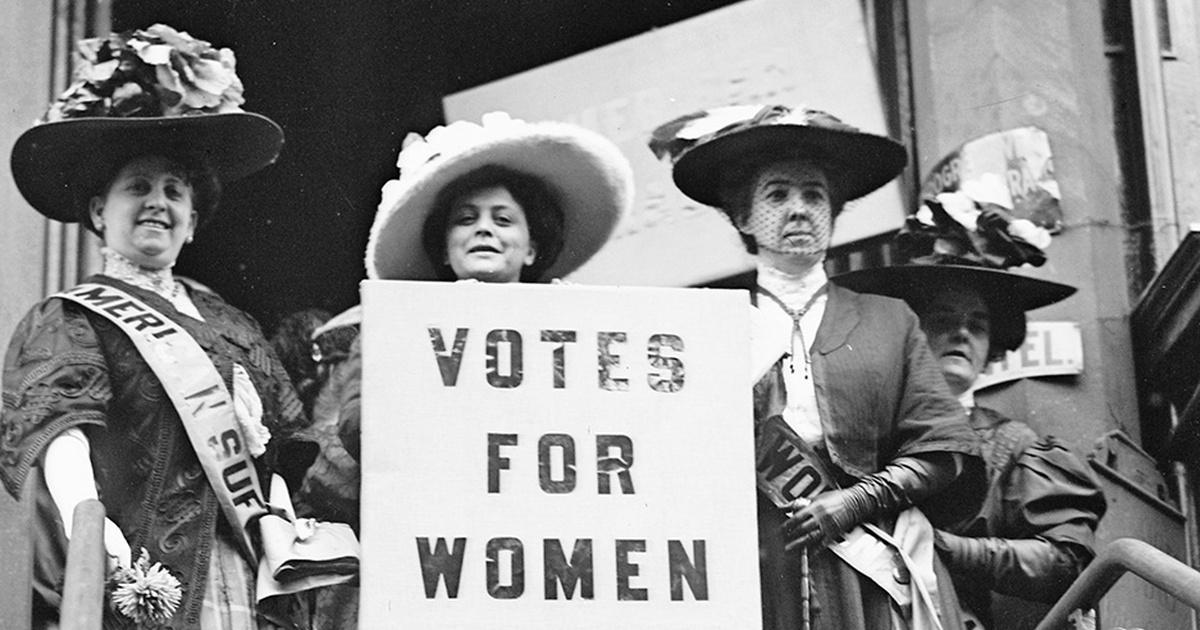
  2. Social Movements: The women’s suffrage movement played a crucial role in raising awareness about the injustices of coverture laws. Activists argued that women should have equal rights under the law, including the right to own property and make decisions independently.
  3. Gradual Erosion of Coverture Laws: Over the course of the 20th century, coverture laws were gradually abolished in most Western countries. This was facilitated by a combination of legal reforms and social changes that recognized the importance of women’s rights and autonomy.

Conclusion

The history of coverture laws and their impact on women’s property rights is a stark reminder of the legal and social barriers that women have faced in their struggle for equality. While these laws have been largely abolished, their legacy continues to influence contemporary discussions about gender equality and women’s rights. Understanding this history is crucial for appreciating the progress made and the ongoing challenges that remain in achieving true gender equality.

The Lives of Women Footballers: Off the Pitch

midtoad.org – Women’s football, or soccer as it’s known in some parts of the world, has seen a remarkable rise in popularity and professionalism over the past few decades. While the on-field action captivates fans, the lives of women footballers off the pitch are equally compelling. This article delves into the multifaceted lives of these athletes, exploring their challenges, achievements, and the unique paths they tread outside of competitive play.

Balancing Life and Career

One of the most significant challenges women footballers face is balancing their personal lives with their demanding careers. Unlike their male counterparts, who often enjoy more lucrative contracts and full-time professional status, many women footballers must juggle part-time jobs or studies alongside their training and matches. This requires exceptional time management and dedication, showcasing the resilience and commitment of these athletes.

The Fight for Equality

Off the pitch, women footballers are at the forefront of the battle for gender equality in sports. They advocate for better pay, improved facilities, and increased media coverage, all of which are crucial for the growth and development of women’s football. Their activism extends beyond the pitch, inspiring change and encouraging young girls to pursue their dreams in sports.

Building Communities

Women footballers are not just athletes; they are community builders. Many use their platforms to support various causes, from promoting health and fitness among young people to raising awareness about important social issues. Their involvement in community initiatives underscores their role as role models and leaders, both on and off the pitch.

Education and Career Development

Recognizing the importance of education and career development, many women footballers pursue higher education or vocational training alongside their sports careers. This not only prepares them for life after football but also enriches their experiences and perspectives, making them well-rounded individuals.

Mental Health and Wellbeing

The life of a professional athlete can be mentally and emotionally taxing. Women footballers often speak openly about their struggles with mental health, using their platforms to destigmatize mental health issues and encourage others to seek help. Their candid discussions highlight the importance of mental wellbeing and the need for support systems within sports.

Conclusion

The lives of women footballers off the pitch are as diverse and dynamic as their careers on the field. From advocating for equality to building communities and pursuing personal development, these athletes demonstrate resilience, commitment, and leadership. As the world continues to pay more attention to women’s football, the stories of these remarkable individuals will inspire future generations to pursue their dreams, both on and off the pitch.

Women’s Sports Car Stories: The Fairer Sex and Faster Cars

midtoad.org – In the roaring world of sports cars, where the scent of gasoline and the sound of revving engines fill the air, the presence of women has been both significant and inspiring. Historically a male-dominated arena, the sports car scene has seen remarkable women who have not only embraced the thrill of the race but have also left indelible marks on the sport. This article delves into the stories of some of these trailblazing women, showcasing their passion, resilience, and contributions to the world of sports cars.

The Pioneers

The story of women in sports cars begins with the early pioneers who dared to challenge the norms of their time. One such pioneer was Dorothy Levitt, known as the “fastest girl on earth” in the early 20th century. Levitt was not only a racer but also an author and a stunt driver, breaking records and proving that women could be just as daring and skilled behind the wheel as men.

Another notable figure is Bertha Benz, the wife of Karl Benz, the inventor of the automobile. In 1888, Bertha took the bold step to drive her husband’s Motorwagen without his knowledge, embarking on the world’s first long-distance road trip. This journey not only showcased the potential of the automobile but also highlighted the role of women in the automotive industry from its inception.

The Trailblazers

As the decades progressed, more women began to make their mark in sports car racing. Louise Smith, known as “Weezy,” was the first woman to compete in the Indianapolis 500, doing so in 1949. Despite facing skepticism and sexism, Smith’s determination and skill on the track earned her the respect of her male counterparts and paved the way for future generations.

In the 1960s, Denise McCluggage became a household name in the sports car world. McCluggage was a versatile racer, excelling in rallies, endurance races, and even sports car racing. Her achievements included victories at the 12 Hours of Sebring and the 6 Hours of Watkins Glen, solidifying her status as one of the most successful female racers of her time.

Modern Marvels

The legacy of these pioneering women continues to inspire the next generation of female racers. In recent years, names like Susie Wolff, Simona de Silvestro, and Michelle Mouton have been synonymous with excellence in sports car racing. These women have not only competed at the highest levels but have also advocated for greater participation of women in motorsports, breaking down barriers and challenging stereotypes.

Susie Wolff, a former Formula E and DTM racer, has been particularly vocal about the need to create more opportunities for women in motorsports. Through initiatives like the Dare to Be Different campaign, Wolff aims to inspire young girls to pursue careers in motorsports, whether as drivers or in other roles.

The Future is Inclusive

The stories of these remarkable women highlight the progress that has been made in the world of sports cars. However, there is still much work to be done to ensure that the sport is truly inclusive and that women have equal opportunities to compete, excel, and inspire. As the automotive and racing industries continue to evolve, the legacy of these trailblazing women serves as a reminder of the importance of diversity and the contributions that women can make when given the chance to compete on an equal footing.

In conclusion, the history of women in sports cars is a testament to the power of determination, skill, and passion. From the early pioneers to the modern marvels, these women have not only raced but have also broken barriers, challenged stereotypes, and paved the way for future generations. As the sport continues to evolve, the stories of these remarkable women remind us that the fairer sex can indeed drive faster cars and that the future of sports car racing is inclusive and diverse.

Iconic Women in the Arts: Visionary Vanguards

midtoad.org – Throughout history, the arts have been a powerful medium for expression, innovation, and societal change. Within this dynamic landscape, women have played a pivotal role, not just as contributors but as visionaries who have pushed the boundaries of creativity and challenged the status quo. These iconic women in the arts have left indelible marks on the cultural tapestry, inspiring generations and paving the way for future artists. This article celebrates a few of these visionary vanguards, whose contributions have been as diverse as they are impactful.

Frida Kahlo: The Painter of Pain and Passion

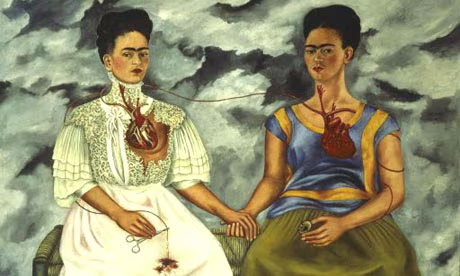
Frida Kahlo, a Mexican painter known for her many portraits and self-portraits, is an emblematic figure of 20th-century art. Her work is distinguished by its vibrant colors and emotional depth, often exploring themes of identity, postcolonialism, gender, class, and race in Mexican society. Despite facing significant health challenges throughout her life, Kahlo’s art and bravery have made her a symbol of female empowerment and resilience.

Maya Angelou: The Poet of Phenomenal Womanhood

Maya Angelou was an American memoirist, poet, and civil rights activist. Her work, which spanned several genres, is celebrated for its exploration of themes such as personal identity, family, and social and political issues. Angelou’s most famous poem, “Phenomenal Woman,” has become an anthem for women’s empowerment. Her life and work continue to inspire, demonstrating the power of the written and spoken word to effect change.

Yayoi Kusama: The Infinity Queen

Yayoi Kusama is a Japanese contemporary artist who has made significant contributions to the art world with her iconic polka dots and infinity mirror rooms. Her work transcends traditional boundaries, encompassing painting, sculpture, performance, and installation art. Kusama’s themes often revolve around mental illness, feminism, and the obsessive self, making her one of the most influential artists of the 20th and 21st centuries.

Beyoncé: The Music and Visual Arts Innovator

Beyoncé, known globally as a singer, songwriter, and performer, has also made significant strides in the visual arts through her music videos, live performances, and albums that blend music with visual storytelling. Her work often addresses issues of race, gender, and empowerment, making her not just a pop icon but a cultural force. Beyoncé’s “Lemonade,” for example, was a visual album that received critical acclaim for its artistic and political commentary.

Zaha Hadid: The Architect of Curves

Zaha Hadid was an Iraqi-British architect known for her radical deconstructivist designs. Her buildings and structures, characterized by their sweeping curves and dynamic forms, have left a lasting impact on the architectural landscape. Hadid’s work challenges traditional notions of space and form, making her one of the most influential architects of the 21st century.

Conclusion

These visionary women in the arts have not only left their mark on their respective fields but have also inspired countless others to pursue their passions and challenge societal norms. Their contributions remind us of the power of art to reflect, critique, and transform the world. As we continue to celebrate the achievements of women in the arts, we look forward to the new vanguards who will carry the torch, continuing to push the boundaries of creativity and innovation.