Baklava: A Sweet Symphony of Flavors

midtoad.org – Baklava is a beloved dessert that has delighted taste buds across the globe for centuries. This sweet pastry, known for its rich flavors and flaky texture, is a staple in Middle Eastern and Mediterranean cuisines. Its origins are steeped in history and tradition, making it a fascinating subject for culinary enthusiasts.

The Art of Crafting Baklava

At its core, baklava is a simple yet elegant creation. It consists of multiple layers of thin, delicate filo dough, which are meticulously brushed with butter or oil to achieve a golden, crisp texture. Between these layers, a generous filling of finely chopped nuts—typically walnuts, pistachios, or almonds—is spread. What truly elevates baklava is the sweet, fragrant syrup made from honey, sugar, and sometimes a hint of citrus or rose water, which is drizzled over the baked pastry, allowing it to soak in and infuse every bite with sweetness.

A Rich History

The origins of baklava are somewhat contested, with various cultures laying claim to its creation. Some believe it originated in the Byzantine Empire, while others argue it was developed in the kitchens of the Ottoman Empire. Regardless of its roots, baklava has become an integral part of many culinary traditions, from Greek and Turkish to Arab and Armenian.

A Universal Delight

One of the most appealing aspects of baklava is its versatility. While traditional recipes remain ever popular, modern baklava enthusiasts have experimented with a variety of flavors and ingredients. Some variations include chocolate, spices like cinnamon and cardamom, or even different kinds of nuts. Each region often has its own unique twist, making baklava a true representation of cultural fusion.

Enjoying Baklava

Baklava is typically enjoyed as a dessert or a sweet snack, often accompanied by a cup of strong coffee or tea. Its sweetness and richness make it a satisfying treat, perfect for special occasions or as a delightful indulgence on any day.

In conclusion, baklava is more than just a dessert; it is a testament to the rich culinary traditions and the art of pastry-making. Whether you savor it in a bustling market in Istanbul or make it at home, baklava offers a taste of history, culture, and unmatched sweetness.
Nestlé: The Sweet History of Global Expansion

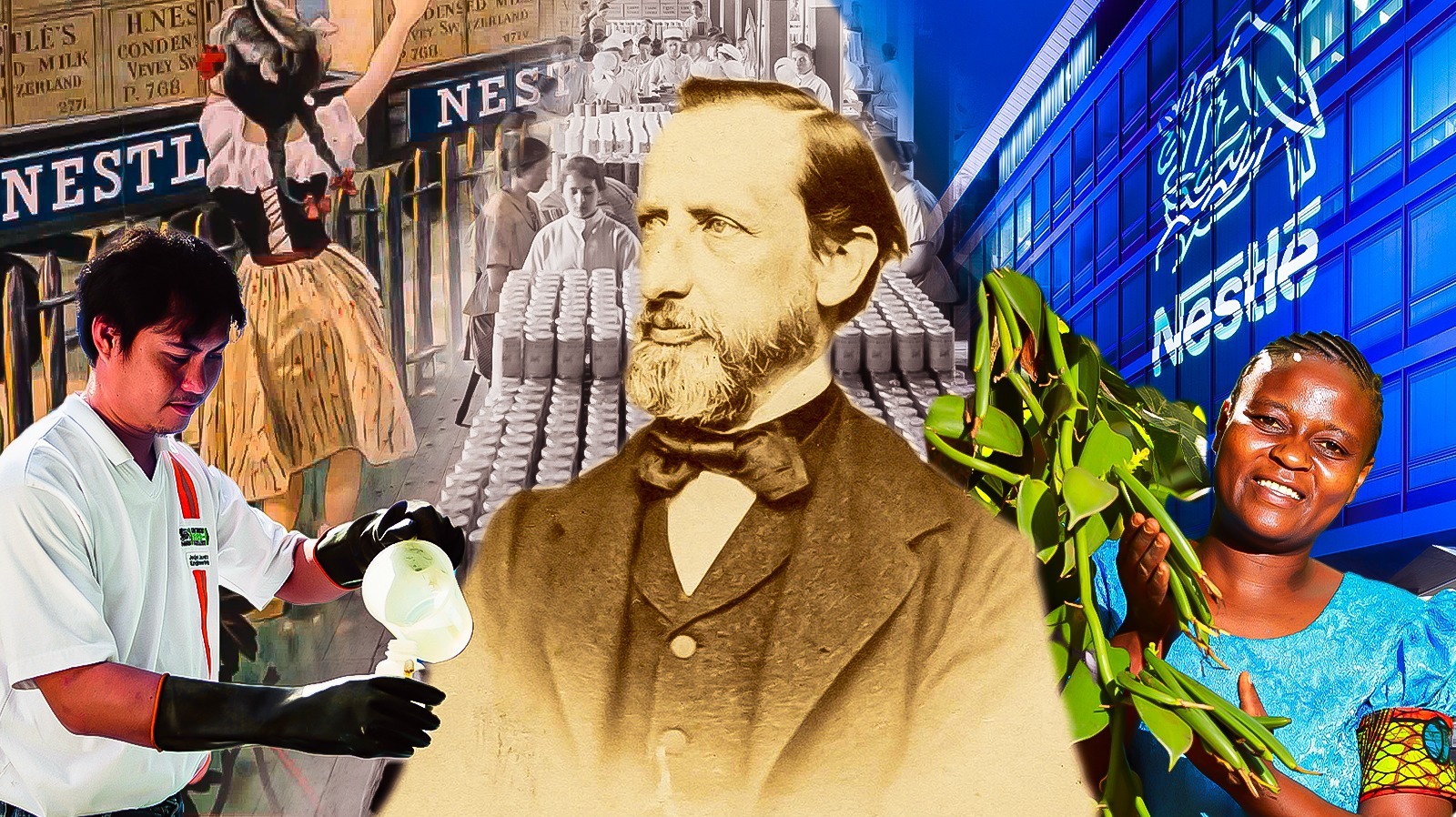
midtoad.org – Nestlé’s journey began in the small town of Vevey, Switzerland, in 1866, when Henri Nestlé, a pharmacist, developed a milk-based baby food to save the life of a child who could not digest his mother’s milk or other foods available at the time. This product, Farine Lactée, laid the foundation for what would become one of the world’s largest food and beverage companies.

Expanding Horizons: From Infant Food to Global Market Leader

The success of Farine Lactée quickly led to the expansion of the company’s product line. Nestlé began to produce condensed milk, which was essential for the company’s growth, as it allowed for the preservation of milk without refrigeration, making it easier to transport and sell across regions. This innovation was a game-changer, as it opened up new markets and paved the way for Nestlé’s global expansion.

A Merger That Changed the Course of History

In 1905, Nestlé merged with Anglo-Swiss Condensed Milk Company, a move that significantly strengthened its market position. This merger brought together two companies with a shared vision of providing high-quality food products to consumers worldwide. The combined entity was well-equipped to innovate and expand its product range, which now included chocolate, thanks to the acquisition of Cailler Kohler, one of Switzerland’s oldest chocolate firms.

Post-War Growth and Diversification

The post-World War II era was a period of rapid growth for Nestlé. The company expanded its product portfolio to include instant coffee (Nescafé), which became a global sensation and a staple in households around the world. Nestlé’s commitment to innovation and diversification continued with the introduction of new products and the acquisition of established brands, such as Libby’s, Findus, and Stouffer’s, further solidifying its position as a global leader in the food and beverage industry.

Global Expansion and Market Penetration

Nestlé’s strategy for global expansion was multifaceted, involving direct investment in new markets, partnerships with local companies, and the acquisition of popular brands. This approach allowed Nestlé to penetrate new markets while adapting to local tastes and preferences. Today, Nestlé operates in almost every country in the world, with a workforce of over 300,000 employees and a product portfolio that includes over 2000 brands ranging from coffee and bottled water to breakfast cereals and pet food.

Sustainability and Corporate Responsibility

As Nestlé continued to grow, it recognized the importance of sustainability and corporate responsibility. The company has implemented various initiatives to reduce its environmental footprint, improve water management, and ensure ethical sourcing of raw materials. Nestlé’s commitment to creating shared value is evident in its efforts to enhance the quality of life and contribute to a healthier future for people and the planet.

Conclusion

Nestlé’s sweet history of global expansion is a testament to the company’s ability to innovate, adapt, and grow. From its humble beginnings in Switzerland to becoming a global powerhouse, Nestlé has remained at the forefront of the food and beverage industry. As it continues to navigate the challenges of the 21st century, Nestlé’s legacy of quality, innovation, and corporate responsibility will undoubtedly shape its future success.