midtoad.org – Since its founding in 1946 by Christian Dior, the House of Dior has been a global symbol of luxury, elegance, and innovative fashion design. Renowned for its pioneering haute couture, the brand has continually set trends, from the groundbreaking “New Look” to its modern collaborations with contemporary artists. Dior has evolved over decades to remain at the cutting edge of fashion, blending tradition with modernity to inspire generations of designers and fashion lovers.
The Birth of Dior and the “New Look”
Christian Dior made an unforgettable mark on the fashion world with the launch of his first collection in 1947. Dubbed the “New Look” by Harper’s Bazaar editor Carmel Snow, the collection emphasized a silhouette of femininity and elegance, with cinched waists, full skirts, and a soft, rounded shoulder line. This revolutionary design helped re-establish Paris as the capital of fashion post-World War II and rejuvenated the luxury fashion market.
Dior’s creations contrasted the austere wartime attire, bringing back opulence and glamour to women’s fashion. The “New Look” became an instant success, solidifying Dior’s place as one of the most influential designers of the 20th century.
Expansion and Global Influence
In the years following the “New Look” sensation, Dior expanded rapidly, introducing ready-to-wear lines, accessories, and fragrances. The brand’s perfumes, such as the iconic Miss Dior (introduced in 1947), became as much a part of Dior’s identity as its clothing. Miss Dior embodied the elegance and femininity that the house represented, while later creations like J’adore and Sauvage captured the attention of modern audiences.
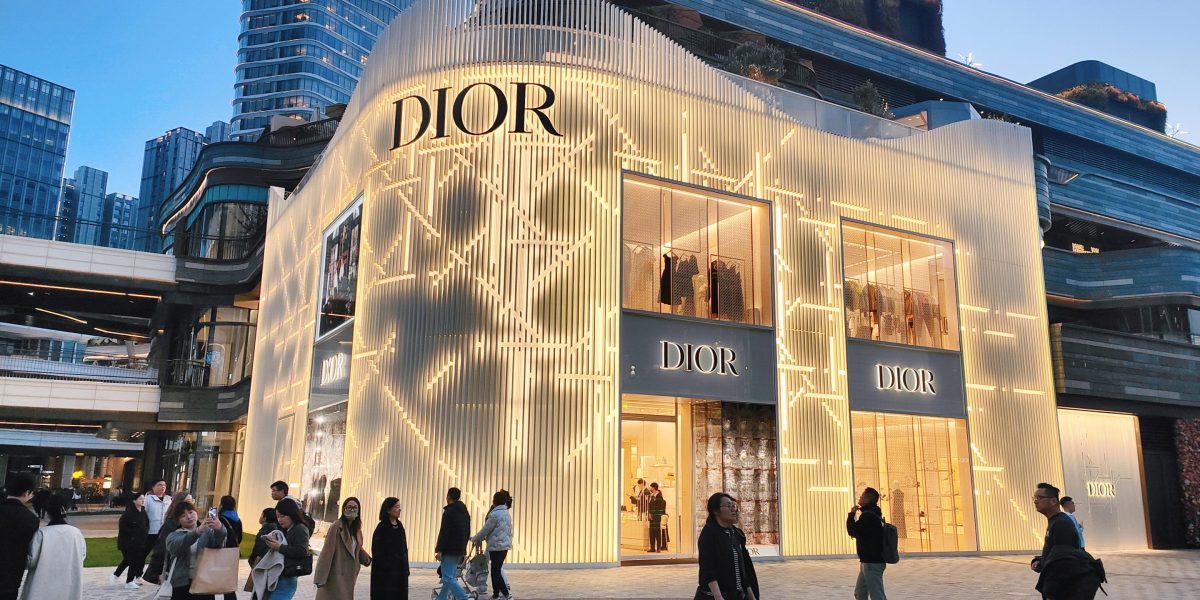
As the brand grew internationally, Dior opened boutiques around the world, becoming a dominant force in the fashion and beauty industries.
Dior Under Yves Saint Laurent and Successive Designers
After Christian Dior’s sudden death in 1957, a young Yves Saint Laurent took over as the brand’s head designer. Saint Laurent’s time at Dior was short but impactful, as he continued the house’s legacy with the “Trapeze” collection, which introduced a more relaxed silhouette. His talent set the stage for future designers who would carry on Dior’s innovative spirit.
Over the decades, Dior was shaped by a number of renowned designers, including Marc Bohan, Gianfranco Ferré, John Galliano, Raf Simons, and currently, Maria Grazia Chiuri. Each creative director brought a unique vision while maintaining the elegance and craftsmanship that Dior is known for.
John Galliano’s time at Dior is especially remembered for his theatrical runway shows and avant-garde designs, while Raf Simons emphasized minimalist modernity. Maria Grazia Chiuri, the brand’s first female creative director, has brought a focus on feminist themes, blending Dior’s heritage with a fresh, socially conscious perspective.
Dior’s Modern Impact and Artistic Collaborations
In recent years, Dior has embraced collaborations with contemporary artists and cultural figures to stay at the forefront of modern fashion. Under Maria Grazia Chiuri, the brand has championed the empowerment of women, infusing collections with political and artistic messages. Dior has also been celebrated for its partnership with artists such as Peter Doig and Kaws, who have contributed to the brand’s fashion shows, exhibitions, and limited-edition pieces.
Dior’s influence extends far beyond clothing and accessories—it has become a cultural phenomenon, synonymous with luxury, creativity, and a refined aesthetic. The brand’s couture shows are major cultural events, and its designs are worn by celebrities, royalty, and influencers around the world.
Sustainability and the Future of Dior
As with many luxury brands, Dior is actively working toward a more sustainable future. The house has adopted eco-conscious practices in both production and materials, from its couture creations to beauty products. As consumer demands for sustainability increase, Dior is aligning its vision with responsible luxury, ensuring that the brand’s future is both innovative and environmentally conscious.
Conclusion
Dior’s history is one of groundbreaking design, artistic innovation, and enduring elegance. From Christian Dior’s transformative “New Look” to the modern feminist approach under Maria Grazia Chiuri, the house has continually evolved while staying true to its roots in haute couture. With a commitment to sustainability and collaborations that push creative boundaries, Dior remains a leading force in global fashion, influencing the industry for generations to come.