
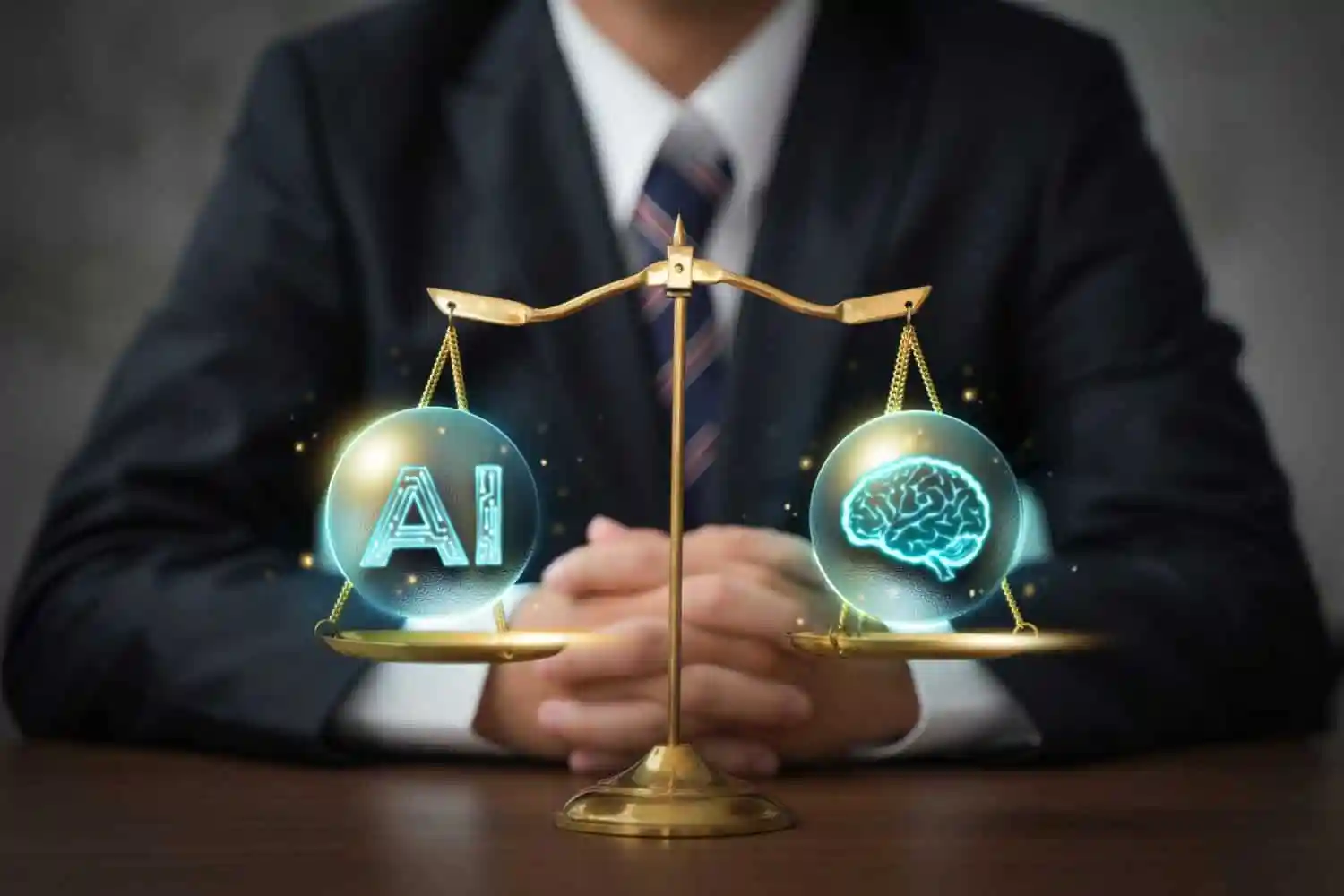
midtoad.org – The rapid advancement of Artificial Intelligence (AI) has transformed the way we live, work, and interact with the world. From voice assistants in our smartphones to sophisticated algorithms that drive stock markets, AI is everywhere. However, as AI systems become more integrated into our daily lives, they also raise significant ethical and legal questions. This article explores the ethical and legal battles that are emerging as AI technology continues to evolve.
The Ethical Dilemmas of AI
Bias and Discrimination
One of the most pressing ethical concerns is the potential for AI systems to perpetuate or even exacerbate bias and discrimination. AI algorithms are only as good as the data they are trained on, and if this data is biased, the AI’s decisions will be too. This has led to instances where AI-driven hiring tools have shown racial or gender bias, or where facial recognition systems have had lower accuracy rates for people of color.
Privacy Concerns
AI’s ability to process and analyze vast amounts of data also raises significant privacy concerns. As AI systems become more sophisticated, they can infer sensitive information from seemingly innocuous data points, leading to a potential erosion of privacy.
Autonomy and Accountability
As AI systems become more autonomous, determining accountability for their actions becomes increasingly complex. When an AI makes a decision that leads to harm, who is responsible? The developer, the user, or the AI itself?
Legal Battles Over AI
Intellectual Property Rights
The rise of AI has sparked debates over intellectual property rights. For instance, if an AI creates a piece of art or a piece of music, who owns the copyright? The creator of the AI, the user, or the AI itself?
Regulation and Oversight
Governments around the world are grappling with how to regulate AI. There is a delicate balance to be struck between fostering innovation and protecting citizens from potential harms. The European Union’s General Data Protection Regulation (GDPR) is one example of a legal framework that aims to address some of these concerns, but it is still a work in progress.
Liability in AI-Driven Accidents
As AI systems take on more critical roles, such as in autonomous vehicles, the issue of liability in the event of an accident becomes more pressing. If a self-driving car gets into an accident, who is liable? The car manufacturer, the AI developer, or the owner of the vehicle?
The Future of AI Ethics and Law
Collaborative Efforts
Addressing the ethical and legal challenges of AI will require collaboration between governments, industry, and civil society. International standards and frameworks will be essential to ensure that AI is developed and used responsibly.
Public Engagement
Public engagement is also crucial. As AI becomes more integrated into our lives, it is important that the public has a say in how it is governed. This includes education about AI and its implications, as well as opportunities for public input into policy decisions.
Continuous Adaptation
Finally, the ethical and legal frameworks governing AI must be adaptable. As AI technology evolves, so too must the laws and regulations that govern it. This will require a commitment to ongoing dialogue and adaptation.
Conclusion
The rise of AI presents both immense opportunities and significant challenges. As we navigate the ethical and legal battles that accompany this technology, it is clear that there are no easy answers. However, by approaching these issues with a commitment to collaboration, public engagement, and continuous adaptation, we can ensure that AI is developed and used in ways that benefit society as a whole. The future of AI is not predetermined; it is up to us to shape it responsibly.
