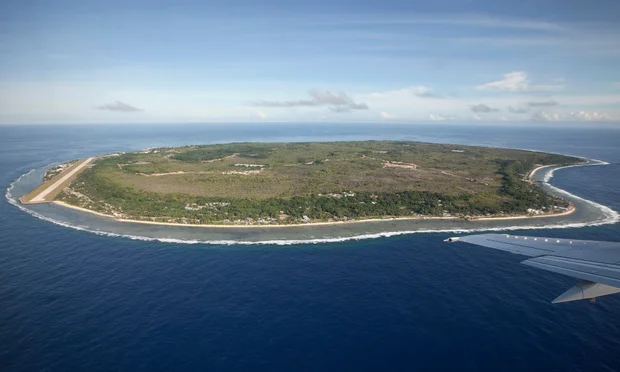
midtoad.org – Nauru, a small island nation in the Central Pacific, faces unique economic challenges due to its limited land area, remoteness, and dependence on a few key industries. Despite recent improvements in economic performance, the country continues to grapple with issues of fiscal sustainability and growth potential. This article explores the economic challenges and opportunities that Nauru faces, highlighting the factors that shape its economic prospects and the strategies being employed to foster long-term development.
Economic Challenges
Fiscal Sustainability and Growth
Nauru’s economy has shown signs of improvement in recent years, but it still faces significant challenges in sustaining growth and ensuring fiscal sustainability. The country’s small size and remoteness make it difficult to attract investment and diversify its economy. Additionally, Nauru’s narrow revenue base, which primarily relies on phosphate exports, fishing licenses, and foreign aid, leaves it vulnerable to external shocks and economic downturns.
Limited Natural Resources
Nauru’s natural resources are limited, with phosphate mining being the primary source of income. However, the phosphate reserves are dwindling, and the environmental damage caused by mining has further constrained economic activities. The country’s agricultural sector is also limited, with most food and water supplies being imported.
Structural Constraints
The structural challenges posed by Nauru’s small size and remoteness are significant. These factors limit the potential for economic diversification and make it difficult to develop a robust industrial base. The country’s dependence on imports for essential goods and services exacerbates these challenges, leading to high costs and economic inefficiencies.
Economic Opportunities
Diversification and Structural Reforms
To address these challenges, Nauru is focusing on diversifying its economy and implementing structural reforms. The completion of new port and related infrastructure projects is expected to enhance trade and investment opportunities. Additionally, efforts are being made to develop the fisheries sector, which has the potential to become a significant source of revenue.
Export Opportunities
Nauru has identified several export opportunities that could help diversify its economy. The relatedness index suggests that non-fillet fresh fish, precious metal watches, and surveying equipment are potential export products. Developing these sectors could provide new avenues for economic growth and reduce the country’s reliance on traditional sources of income.
International Support and Aid
Nauru continues to receive support from international organizations and foreign aid, which plays a crucial role in its economic development. The IMF and other development partners are providing technical assistance and financial support to help Nauru implement reforms and improve its economic management.
Conclusion
Nauru’s economic landscape is characterized by both significant challenges and promising opportunities. While the country faces structural constraints and limited natural resources, it is actively working to diversify its economy and implement reforms to foster long-term growth. With continued international support and strategic investments, Nauru has the potential to overcome its economic hurdles and achieve sustainable development.
By addressing its fiscal sustainability issues, leveraging its export potential, and implementing structural reforms, Nauru can pave the way for a more resilient and diversified economy. The coming years will be critical in determining the success of these efforts and the country’s ability to secure a prosperous future.