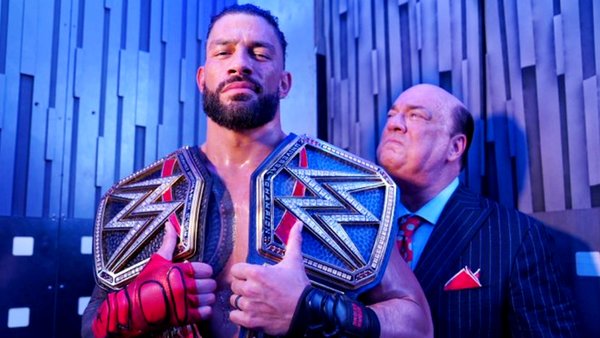
The Undisputed WWE Championship: Unification of Prestige

midtoad.org – In the world of professional wrestling, championship titles are the ultimate symbols of prestige and power. The WWE, a global leader in sports entertainment, has a rich history of iconic championships that have been the centerpiece of countless storylines and rivalries. Among these, the WWE Championship and the Universal Championship have been two of the most coveted titles. However, in a groundbreaking move, the WWE decided to unify these championships, giving birth to the Undisputed WWE Championship. This article delves into the significance of this unification and explores the impact it has had on the wrestling landscape.

The Legacy of the WWE Championship

The WWE Championship, originally known as the WWWF World Heavyweight Championship, has a legacy that spans over five decades. It has been held by some of the greatest wrestlers in history, including Hulk Hogan, Stone Cold Steve Austin, and The Rock. The championship has been the focal point of WWE programming for years, representing the pinnacle of success in the company.

The Emergence of the Universal Championship

The Universal Championship was introduced in 2016 as part of the WWE’s brand extension, which saw the creation of two main rosters: Raw and SmackDown. The Universal Championship was exclusive to Raw and was designed to be on par with the WWE Championship, which was then aligned with SmackDown. This dual-title system allowed for more opportunities for wrestlers to compete for world championship gold and provided fans with twice the excitement.

The Unification: Birth of the Undisputed WWE Championship

The decision to unify the WWE Championship and the Universal Championship into the Undisputed WWE Championship was a strategic move by the WWE to streamline its championship hierarchy and create a singular world championship that embodies the entire company. This unification marked a significant moment in WWE history, merging two prestigious titles into one ultimate prize.

Impact on the Wrestling Landscape

The introduction of the Undisputed WWE Championship has had a profound impact on the wrestling landscape. It has elevated the prestige of the world championship in WWE, making it the undisputed top prize that every wrestler aspires to win. The unification has also led to the creation of new storylines and rivalries, as wrestlers from both Raw and SmackDown now compete for the same title, blurring the lines between the two brands and creating a more unified WWE universe.

Conclusion

The Undisputed WWE Championship stands as a testament to the evolution of professional wrestling and the WWE’s commitment to innovation. By unifying the WWE Championship and the Universal Championship, the WWE has created a championship that transcends brands and represents the pinnacle of achievement in the company. As the landscape of professional wrestling continues to evolve, the Undisputed WWE Championship remains at the forefront, symbolizing excellence, prestige, and the undisputed spirit of competition.

The Quest for Love: A Look at Popular Dating Shows

midtoad.org – In the age of digital romance and swiping right, the quest for love has taken on a new form. With the rise of reality television, dating shows have become a cultural phenomenon, captivating audiences around the globe. These shows offer a unique blend of drama, romance, and the universal desire to find a meaningful connection. From the early days of “The Bachelor” to the more recent hits like “Love Is Blind,” dating shows have evolved, reflecting changing societal norms and the complexities of modern relationships.

The Evolution of Dating Shows

Dating shows have come a long way since the early 2000s. The genre began with a focus on traditional courtship, where one person would choose from a pool of potential suitors based on their interactions and compatibility. Shows like “The Bachelor” and “The Bachelorette” set the stage for this format, introducing the world to the drama and excitement of rose ceremonies and fantasy suites.

As the genre matured, so did the concepts. Shows like “Married at First Sight” took a radical approach, pairing strangers and marrying them on the spot, then documenting their journey to see if love could blossom after marriage. This was a departure from the traditional dating show format, emphasizing commitment and the potential for love to grow over time.

The Rise of Experimental Formats

In recent years, dating shows have become increasingly experimental, pushing the boundaries of what it means to search for love on television. “Love Is Blind” is a prime example, where participants date in “pods” without ever seeing each other, committing to marriage before they even meet in person. This show explores the idea that true love is blind, challenging the importance of physical attraction in the early stages of a relationship.

“Too Hot to Handle” takes a different approach, focusing on the challenges of building emotional connections without physical intimacy. The contestants are fined every time they engage in physical acts, encouraging them to form deeper, more meaningful relationships.

The Appeal of Dating Shows

The appeal of dating shows lies in their relatability and the voyeuristic pleasure of watching others navigate the complexities of love and relationships. Viewers can project their own experiences and desires onto the participants, rooting for their favorite couples and critiquing the behaviors they see on screen.

Moreover, these shows offer a form of escapism, allowing viewers to immerse themselves in a world where love is the ultimate prize. In a time when dating can feel overwhelming and impersonal, especially in the digital age, these shows provide a narrative of hope and the possibility of finding a genuine connection.

The Impact on Society

Dating shows have not only entertained but also influenced societal norms and expectations around love and relationships. They have sparked conversations about consent, communication, and the importance of emotional connection. By showcasing diverse casts and relationships, they have also contributed to a broader understanding and acceptance of different types of love and partnership.

Conclusion

The quest for love is a timeless human endeavor, and dating shows have become a modern arena for this pursuit. From traditional formats to experimental twists, these shows continue to captivate audiences with their blend of drama, romance, and the universal desire to find a meaningful connection. As society evolves, so too will the dating show, reflecting the changing landscape of love and relationships in the digital age. Whether seeking entertainment, inspiration, or a glimpse into the lives of others, viewers will undoubtedly continue to tune in, hoping to catch a glimpse of love in its many forms.